
Introduction of Yoga
Yoga is one of India’s most influential knowledge traditions, combining physical discipline, breath awareness, meditation, ethical reflection and a larger search for balance. In Indian usage, Yoga is not limited to exercise. The word points to disciplined practice and inner integration, and it appears across Hindu, Buddhist and Jain traditions in different forms. Modern posture-based Yoga is popular worldwide, but its deeper roots remain Indian, philosophical and practical.
Quick summary
Yoga began in India’s long intellectual and spiritual history and today serves many readers as a path for self-discipline, movement, breathing, concentration and reflective living. This introduction helps you understand its Indian context before choosing a practical next step.
Why Yoga Matters
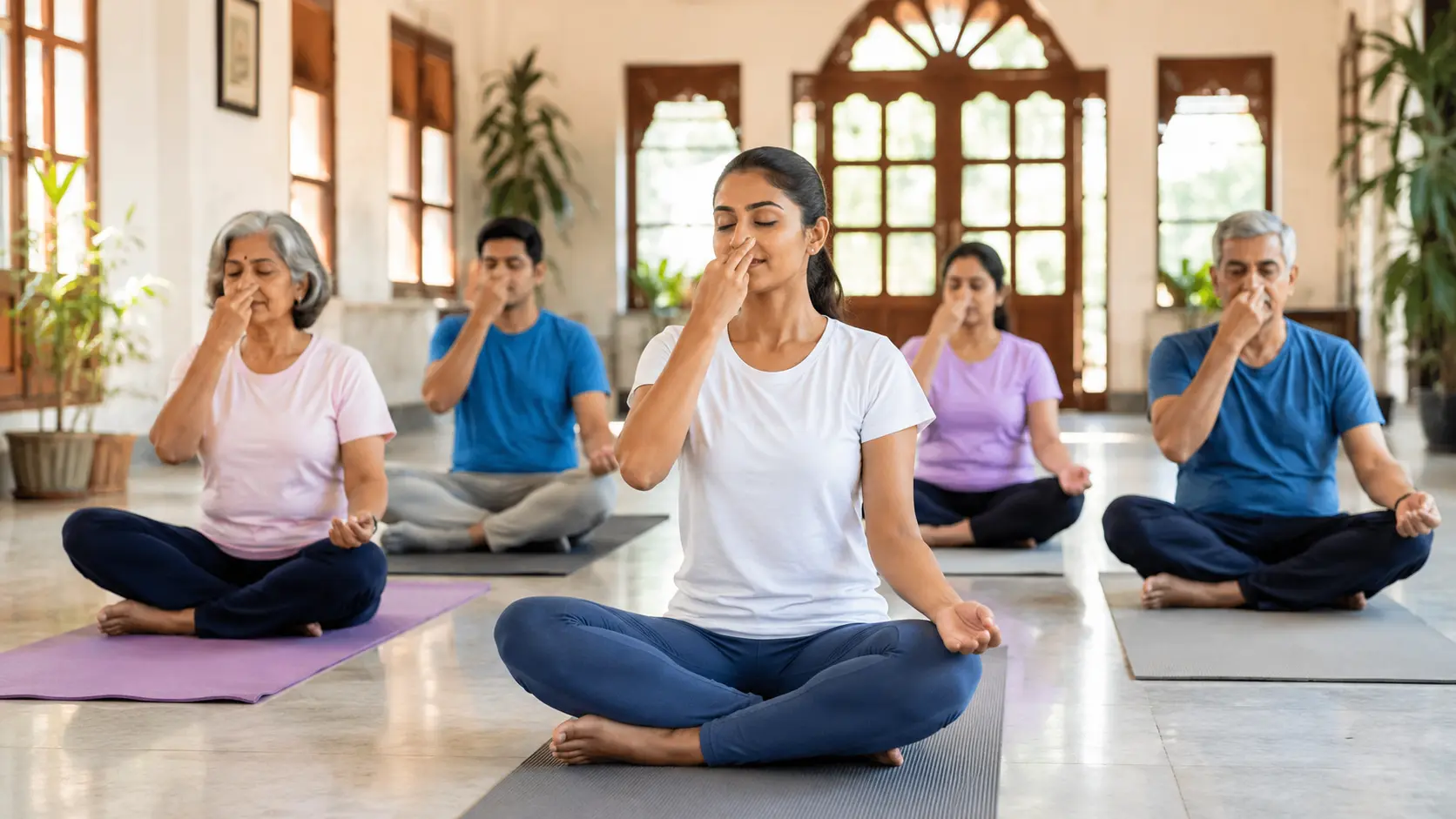
Yoga matters because it links India’s heritage with everyday wellbeing in a way that is still alive in homes, schools, parks, studios, ashrams and public health conversations. It offers a vocabulary for training the body, calming the mind, observing habits and building steadiness. For an Indian reader, it is also part of a wider civilisational story that includes Sanskrit texts, regional teachers, oral learning, devotional movements, monastic lineages and modern community practice.
The Ministry of Ayush presents Yoga as an Indian system with ancient roots, while the United Nations recognises 21 June as the International Day of Yoga, adopted in 2014 after a proposal from India. These modern institutions show Yoga’s global reach, but they should not flatten it into a generic fitness trend. Its value is best understood through both practice and context.
- For beginners, Yoga can provide a structured way to start gentle movement, breathing and attention training.
- For students and working people, it can support routine, concentration and stress management when practised responsibly.
- For researchers and international readers, it opens a window into Indian philosophy, health traditions and cultural continuity.
- For families and communities, it can be adapted as a shared activity across ages, provided health limits are respected.
Indian Roots and Living Traditions
The older history of Yoga is complex and should be described with care. The existing tradition is associated with Vedic references, the Upanishads, ascetic and Shramana movements, the Yoga Sutras attributed to Patanjali, later Hatha Yoga texts and many teacher lineages. Scholars differ on exact chronologies, so it is better to speak of layered development rather than a single fixed origin date. What is clear is that Yoga developed in India as a disciplined way to work with conduct, body, breath, senses, mind and liberation-oriented inquiry.

Indian traditions have never treated Yoga as one uniform technique. Raja Yoga, Jnana Yoga, Bhakti Yoga, Karma Yoga, Hatha Yoga and other pathways emphasise different combinations of discipline, knowledge, devotion, service, postures, breathing and meditation. A village class, a school programme, a philosophical text and a therapeutic Yoga session may all use the word Yoga, but their aims and methods can differ.
| Practice | Philosophy | Community |
| Asana, pranayama, relaxation and meditation help many people create a repeatable daily routine. | Classical Yoga asks how attention, habit, suffering, self-knowledge and disciplined action shape human life. | In India, Yoga is learned through teachers, families, institutions, public events and local practice spaces. |
Main Themes and Pathways
A useful introduction should help readers choose a pathway without forcing one definition. Some readers want to know the origins; others want safe first steps, benefits, clothing, children’s practice, sports performance, career options or stress management. The common thread is disciplined, attentive practice. The difference lies in purpose, intensity and guidance.
| Pathway | What it covers | Good starting point |
|---|---|---|
| Foundations | Origins, meaning and myths around Yoga | Read the background before judging modern forms |
| Starting practice | Fitness, clothing, routine and safe beginner habits | Choose simple sessions and qualified guidance |
| Daily life | Stress, work routines, family practice and children | Use short, regular practices rather than occasional intensity |
| Special interests | Sports, careers and deeper disciplines such as Shatkarma | Move slowly and seek trained supervision |
Popular Subtopics to Explore
If you are new to the subject, begin with the broad context and then move toward practical questions. A helpful Yoga hub should guide readers through origins, common myths, safe beginner decisions, Surya Namaskar, daily-life benefits, children’s practice, working-life stress, sports use and career possibilities without turning every topic into a medical claim.
- Start with origins and meaning if you want historical and philosophical grounding.
- Read beginner guidance before choosing a routine, clothing, class intensity or home practice schedule.
- Explore daily-life topics such as general wellbeing, work stress, family participation and children’s practice with age-appropriate care.
- Treat Shatkarma, intense breathing practices and specialised sports use as advanced topics that require trained guidance.
Comparison: How Different Readers Can Approach Yoga
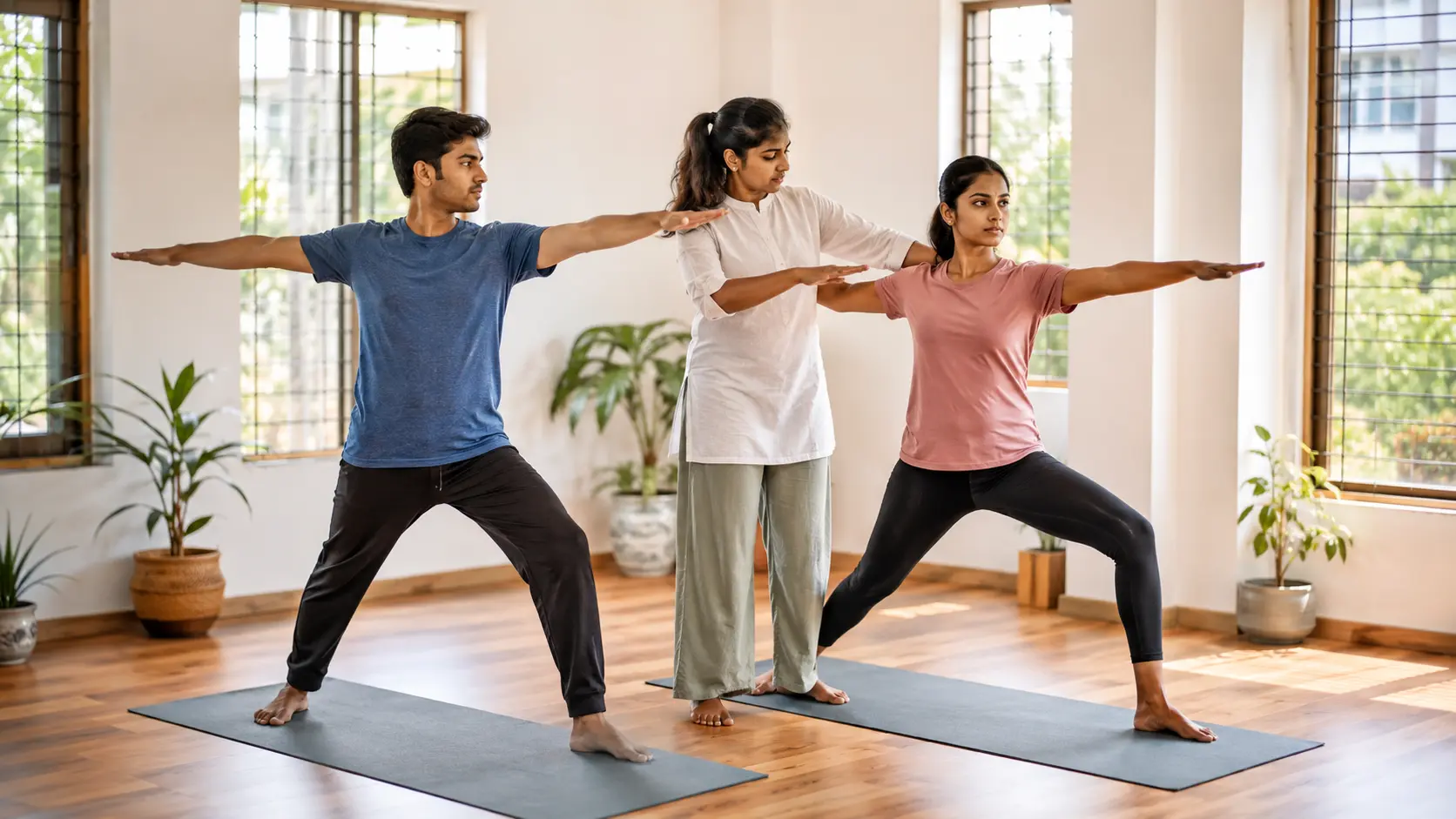
| Reader type | Best focus | Important caution |
|---|---|---|
| Complete beginner | Simple postures, breathing awareness and regular timing | Avoid comparing your body with advanced demonstrations |
| Student or office worker | Short routines for mobility, attention and stress control | Do not use Yoga to ignore sleep, workload or medical needs |
| Parent or teacher | Age-appropriate practice for children and family routines | Keep sessions playful, safe and non-competitive |
| Sports or fitness reader | Mobility, recovery, breath and concentration | Specialised practice should match the sport and injury profile |
| Researcher or visitor | Indian philosophical context and modern public practice | Do not treat global studio Yoga as the whole tradition |
Suggested Reading Path
Use this page as the hub. The order below moves from context to safe practice and then to specific interests. Where a page list or section menu is available, choose the next topic according to your need rather than treating Yoga as a single linear course.
- Begin with the main Yoga section for wider context.
- Continue with origins, myths and vocabulary so that modern practice is understood in its Indian setting.
- Move to beginner decisions such as who should practise, what to wear, how long to practise and when to seek guidance.
- Then explore focused needs such as Surya Namaskar, children, working life, stress management, sports and career pathways.
Related India.co.in Pages
For more context and details, return to the main Yoga section. Together with this overview, it can guide readers from introduction to safe practice, daily benefits and deeper study.