
Cuisine in India: food as geography, memory and daily life
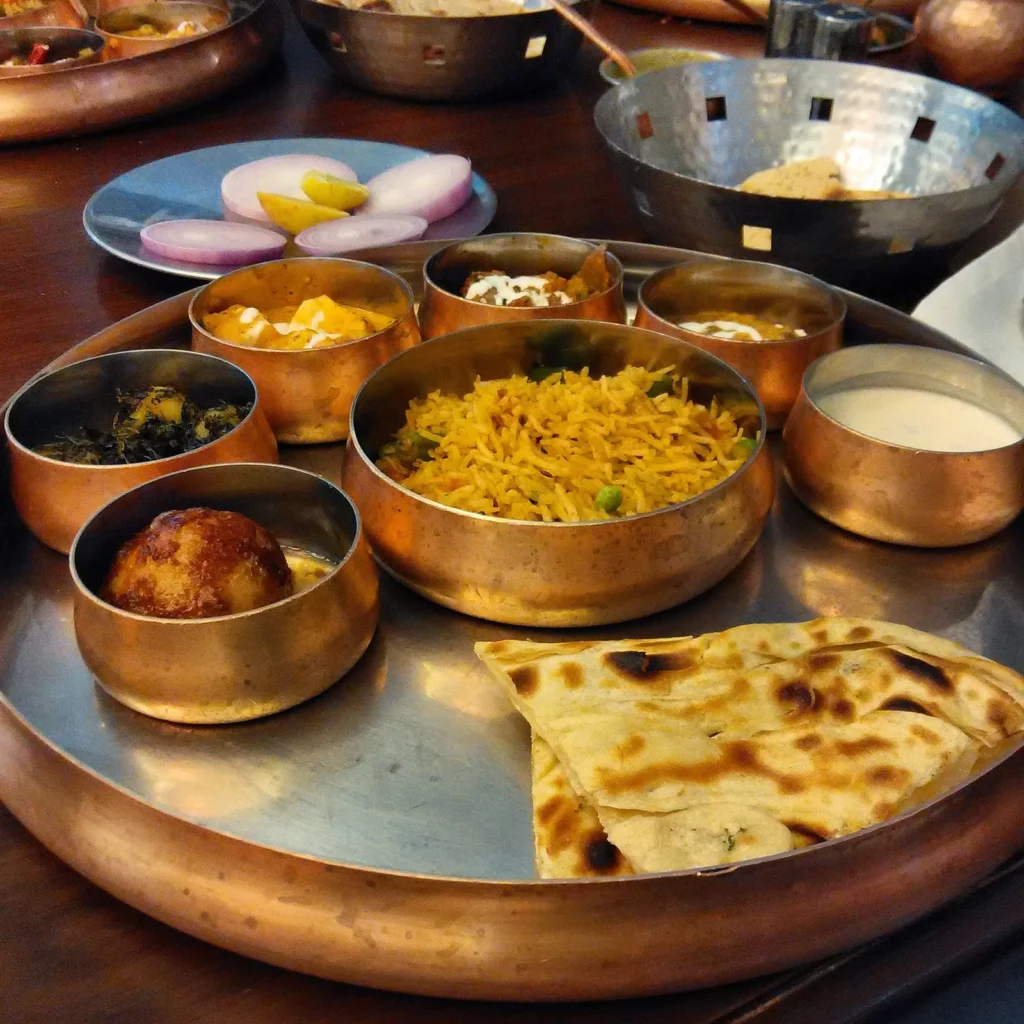
Indian cuisine is often introduced through famous dishes, but that is only the beginning. Food in India is shaped by geography, climate, crops, water, migration, trade, faith, caste and community practices, colonial encounters, royal kitchens, household budgets, street markets, festivals and modern restaurants. A single dish can carry a history of region, livelihood and adaptation. A simple home meal may say more about local life than a restaurant menu.
This Cuisine page is a gateway to regional and thematic food pages such as Chettinad cuisine, Kashmiri Wazwan, Malvani cuisine, food beyond sweets, tribal flavours of Northeast India, Marwari cuisine and vegetarian and non-vegetarian food practices. The aim is not to rank foods or reduce India to a few iconic dishes. The aim is to help readers understand why Indian food changes so much from one region, community and season to another.
Why Indian food is so diverse
India’s food diversity begins with land and climate. Coastal areas use fish, coconut, tamarind, kokum, rice and seafood traditions in different combinations. Desert regions have developed resourceful methods using millets, dried lentils, preserved ingredients and spices that travel well. River plains support rice, wheat, pulses, dairy, vegetables and sugarcane in different patterns. Hill regions use local greens, ferments, smoked foods, maize, buckwheat, millets, herbs and animal products depending on ecology and community practices.
Food is also shaped by movement. Traders, pilgrims, soldiers, labourers, students, migrants, rulers and refugees have carried ingredients and methods across the subcontinent. Central Asian, Persian, Portuguese, British, Arab, Southeast Asian and internal regional exchanges have all affected Indian kitchens in different ways. Chillies, potatoes and tomatoes, now common in many Indian dishes, became deeply local after arriving from outside the subcontinent. Indian cooks absorbed such ingredients and made them part of everyday food.
Religion and community practices matter, but they do not explain everything by themselves. Vegetarian and non-vegetarian choices vary by family, region, caste, faith, age, income and personal preference. Some communities avoid particular foods, while others specialise in meat, fish, dairy or fermented foods. Fasting foods, festival foods, temple foods, langar, community feasts, wedding meals and mourning meals each follow their own expectations. Food can express hospitality, devotion, identity, celebration and care.
Regional windows in this section
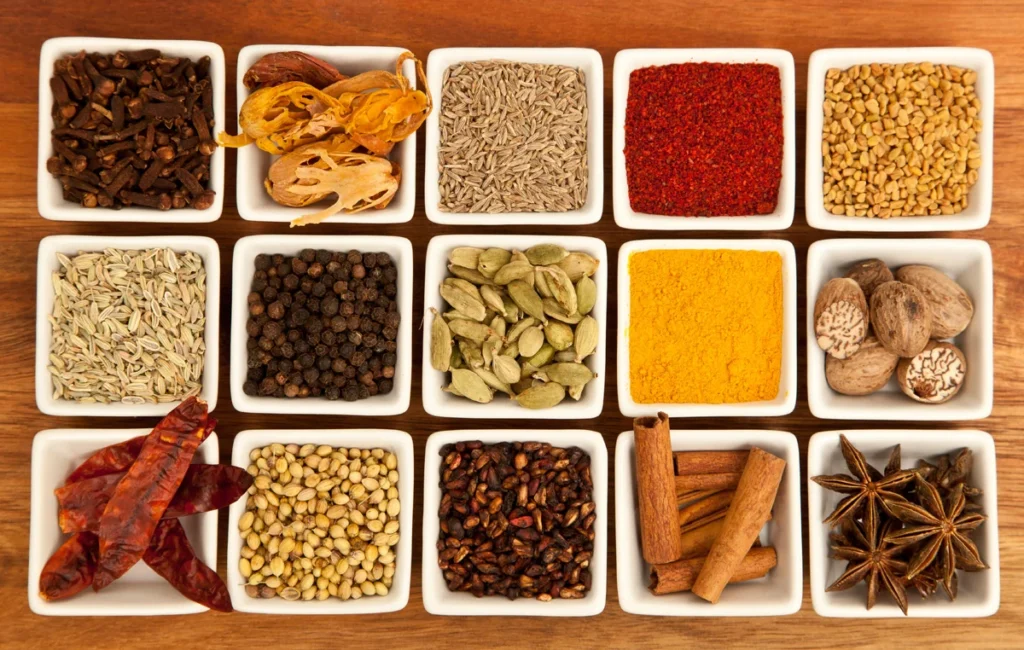
Chettinad cuisine offers a window into Tamil Nadu’s spice-rich foodways, merchant histories and household traditions. It is known for layered spice blends, rice-based meals, vegetables, meats, sun-dried ingredients and dishes that balance heat, aroma and depth. The best way to read Chettinad food is to connect it with the region’s climate, trading communities, architecture and domestic cooking practices.
Kashmiri Wazwan shows how food can become ceremony. It is associated with skilled cooks, multi-course service, hospitality and the cultural memory of Kashmir. A Wazwan meal is not just about ingredients; it is about sequence, preparation, respect for guests and a shared dining experience. It also helps readers understand how geography, climate and history influence meat, rice, spices and serving traditions.
Malvani cuisine represents the Konkan coast, where seafood, coconut, rice, kokum, dried fish, masalas and seasonal produce play important roles. Coastal food is often highly local because the sea, monsoon, fishing patterns and preservation methods shape what people eat. Malvani food also reminds readers that India’s coastline contains many distinct cuisines, not a single coastal style.
Marwari cuisine shows how scarcity and ingenuity produce a strong food culture. In Rajasthan’s arid regions, cooks developed dishes that use dried ingredients, pulses, grains, ghee, spices and preservation techniques. Water availability, travel, trade and community customs shaped what could be cooked and stored. Such food is practical, festive and deeply regional.
The food traditions of Northeast India introduce readers to ingredients and methods that are still underrepresented in mainstream restaurant narratives. Fermentation, smoked foods, bamboo shoot, herbs, local greens, rice, fish, pork, millet and community-specific practices appear in many combinations across the region. The Northeast should never be treated as one cuisine. Assam, Arunachal Pradesh, Manipur, Meghalaya, Mizoram, Nagaland, Tripura and Sikkim each contain many communities and food histories.
Home food, street food and restaurant food
Indian home food is often different from restaurant food. A restaurant may highlight rich gravies, tandoori dishes, biryanis, snacks or festive plates. A home meal may be lighter and more repetitive: rice or roti, dal, vegetable, curd, pickle, chutney, fish, egg, meat or seasonal greens depending on the household. Home food is shaped by time, budget, health, age, local availability and family memory. It is also where children first learn taste.
Street food is another essential layer. Chaat, vada pav, pani puri, kachori, idli, dosa, momos, rolls, pakoras, jalebi, kebabs, litti chokha, poha, samosas and regional snacks are tied to city rhythms, evening markets, railway stations, college areas and office districts. Street food can be affordable, inventive and socially vibrant, but readers should also consider hygiene, freshness, water safety and local food regulations.
Restaurant food and packaged food are changing how Indian cuisine travels. Regional restaurants introduce dishes to new audiences, while delivery platforms and packaged spices make some foods accessible beyond their original regions. This can support livelihoods and cultural exchange, but it can also flatten diversity if every regional food is adjusted to the same taste profile. Good food writing should preserve local context.
Food, business and cultural respect
Cuisine matters for SMEs, tourism operators, hospitality businesses, food startups and foreign companies. A food business entering India must understand vegetarian labelling, food safety, local taste, supply chains, festival demand, religious sensitivities, cold storage, packaging, pricing and trust. A tourism operator should present food as part of culture, not as a novelty. A content creator should avoid using regional dishes without understanding their names, ingredients and community associations.
How to read the Cuisine section
Start with a regional page such as Chettinad Cuisine, Kashmiri Wazwan, Malvani Cuisine or Marwari Cuisine. Then read Tribal Flavors of Northeast to broaden the frame, and use Veg vs Non-Veg Food to understand dietary choices and food labelling.
- Look for the region first: coast, desert, plains, hills, forest, city or migration corridor.
- Notice staple foods such as rice, wheat, millets, pulses, fish, meat, dairy, vegetables or fermented items.
- Ask whether the dish is everyday food, festival food, ceremonial food, street food or restaurant adaptation.
- Respect names, spellings and local variations because dishes can change from district to district.
- Connect food with language, agriculture, craft, trade, gender roles and local livelihoods.
Explore related pages
- Chettinad Cuisine
- Kashmiri Wazwan
- Malvani Cuisine
- Beyond Sweets
- Tribal Flavors of Northeast
- Marwari Cuisine
- Veg vs Non-Veg Food