
Yoga For Sports: Mobility, Breath, Focus and Recovery
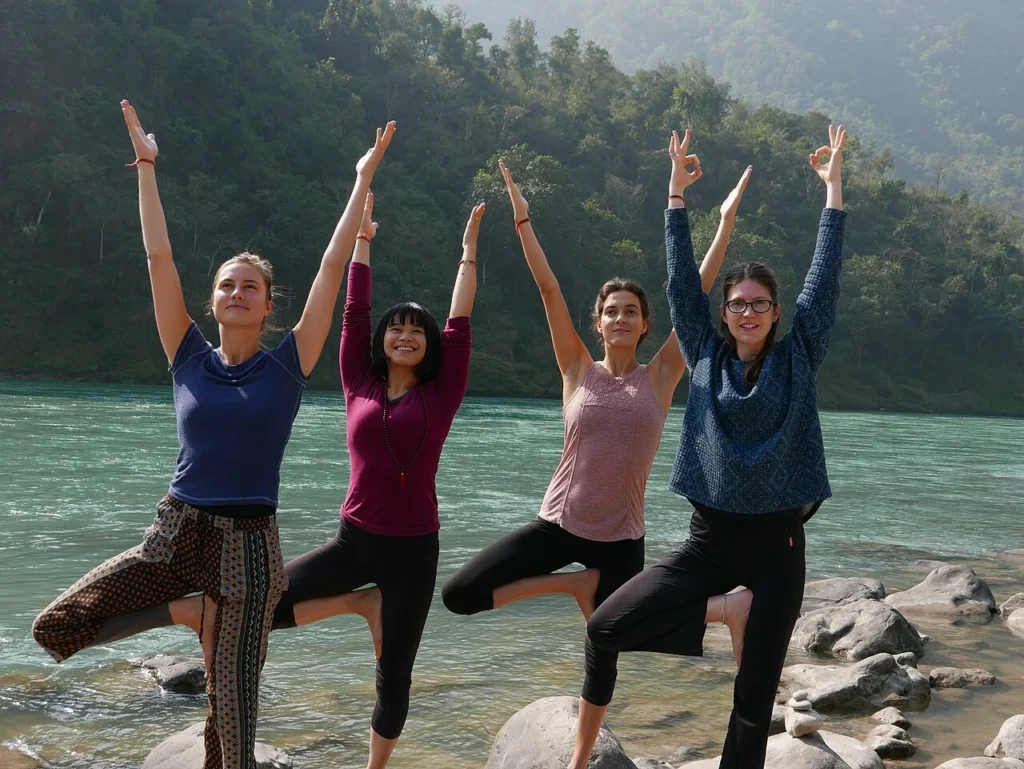
Yoga for sports means using yogic practices to support athletic preparation, performance, recovery and mental steadiness. It is not a replacement for coaching, strength training, sport-specific skill practice, physiotherapy, nutrition, sleep, medical care or competition planning. Instead, it can work as a complementary discipline that helps athletes develop mobility, balance, breath control, body awareness, relaxation and concentration. In India, this topic sits naturally between the country's Yoga heritage and its modern sports ecosystem of schools, academies, clubs, gyms, universities and professional training centres.
The Yoga For Sports page should help a cricket player, runner, kabaddi athlete, footballer, shooter, swimmer, wrestler, dancer, tennis player, cyclist, martial artist, coach, parent or sports administrator understand where Yoga may fit in a training plan. It should also make the limits clear. An athlete with injury, pain, dizziness, breathing difficulty, pregnancy, post-surgery limitations or chronic illness needs qualified medical or physiotherapy advice before attempting demanding practices.
Safety first
Athletes should not force postures, hold the breath aggressively or copy advanced poses without supervision. Yoga for sports is most useful when adapted to the athlete's age, sport, training load, injury history and competition schedule.
How Yoga can support sportspersons
Sport often demands repeated movement patterns. A fast bowler, archer, badminton player, runner, weightlifter or swimmer may place stress on particular joints, muscles and breathing patterns. Yoga can help athletes notice asymmetry, stiffness, shallow breathing and unnecessary tension. Gentle mobility work may support range of motion. Balance practices may support proprioception. Breath awareness may help an athlete settle before competition. Relaxation practices may support recovery after intense training.
The value is not in doing the most difficult posture. For many sportspersons, basic and consistent practice is more useful than advanced display. A runner may benefit from hip mobility, calf and hamstring awareness, spine mobility and breath rhythm. A shooter or archer may focus on steadiness, posture and attention. A kabaddi or wrestling athlete may need mobility, controlled breathing and recovery. A cricketer may use Yoga to manage long fielding days, travel stiffness and mental reset between sessions.
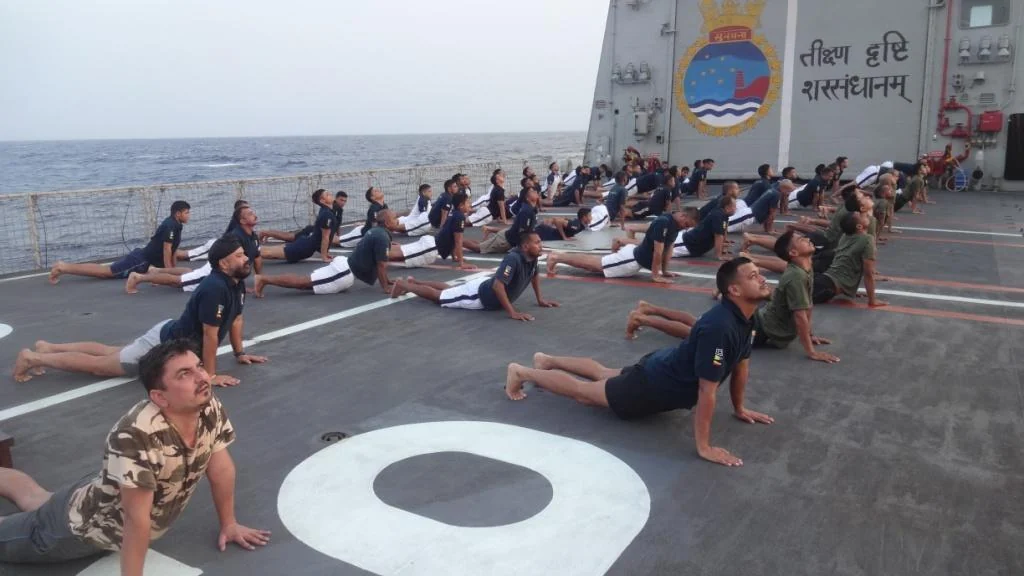
Where Yoga fits in a training week
| Training need | Possible Yoga support |
|---|---|
| Warm-up awareness | Gentle mobility, joint rotations, breath awareness and gradual activation before sport-specific drills. |
| Flexibility and mobility | Slow, supervised postures that improve usable range without forcing joints or overstretching. |
| Balance | Standing postures and controlled transitions that improve body awareness and foot stability. |
| Breath control | Simple breathing practices that encourage calm rhythm, not unsafe breath-holding. |
| Recovery | Relaxation, supported postures and slow breathing after training or on lighter days. |
| Mental focus | Short attention practices, visualisation support and pre-performance settling routines. |
Sport-specific examples
For runners, Yoga may help with hip mobility, ankle awareness, spinal rotation, recovery breathing and post-run stretching. For cricketers, it may support shoulder and hip mobility, hamstring care, fielding posture and calmness during long matches. For swimmers, it may support shoulder mobility, breath rhythm and spinal awareness. For football and hockey players, it may assist hip opening, balance and recovery. For shooters, archers and chess players, the physical demand is different, but posture, breath and mental steadiness remain important.
Coaches should avoid a one-size-fits-all Yoga routine. A goalkeeper, marathon runner, table tennis player and wrestler do not need identical practices. Age also matters. Children need playful, safe and non-competitive movement. Teen athletes need supervision because they may push too hard. Professional athletes need integrated planning so Yoga does not add fatigue before important training or competition. Older recreational athletes may need gentler practices and medical clearance.
Breath and mental steadiness
Breathing practices are often attractive to athletes because competition pressure can disturb rhythm, attention and confidence. Simple breath awareness may help athletes recognise tension and return to a steadier state. However, advanced pranayama, long breath retention or intense breathing techniques are not suitable for everyone and should not be taught casually in a sports setting. The safer starting point is natural breathing, nasal awareness where comfortable, slow exhalation, and relaxation after exertion.
Mental steadiness does not mean removing all pressure. Sport includes competition, uncertainty and emotion. Yoga can help athletes build routines for attention: arriving on the mat, noticing the body, setting intention, breathing steadily, practising without comparison, and ending with recovery. These habits can transfer into training culture when coaches reinforce consistency rather than spectacle.
For schools, academies and sports clubs
Schools and sports academies can include Yoga responsibly when they have trained instructors, age-appropriate routines and coordination with coaches. Sessions should be scheduled so they do not interfere with skill practice or recovery. Attendance should be inclusive, and students should be allowed to report discomfort. Instructors should avoid correcting children harshly or pushing them into deep stretches. A good programme explains why a practice is being done and how it relates to sport.
Sports clubs and gyms should document basic safety rules. Athletes should disclose injuries. Instructors should avoid medical claims. Coaches should track whether Yoga sessions are helping mobility, mood, recovery or focus without creating extra fatigue. For serious athletes, the best approach is collaboration between coach, Yoga instructor, physiotherapist, doctor and nutrition professional where relevant.
A practical reading path
- Start with Yoga Introduction if you are new to Yoga vocabulary and history.
- Use Yoga How To Start for beginner-friendly entry points before sport-specific practice.
- Read Yoga Guide for basic structure and safe practice principles.
- Read Benefits Of Yoga with realistic expectations, not as a list of guaranteed results.
- Use Surya Namaskar content carefully; it can be demanding and should be adapted for fitness, age and injury status.
FAQs
Can Yoga improve sports performance?
Yoga may support mobility, balance, breathing, recovery and focus, which can help training quality. It should be integrated with coaching and not treated as a guaranteed performance shortcut.
Should athletes do Yoga before or after training?
It depends on the session. Gentle mobility may be useful before training, while relaxation and supported stretching may be better after training or on recovery days. Avoid intense stretching immediately before explosive sport unless supervised.
Is Surya Namaskar suitable for all athletes?
Not always. It can be demanding for wrists, shoulders, back, knees and cardiovascular effort. It should be modified for beginners, children, older athletes and anyone with pain or injury.