
National Events in India
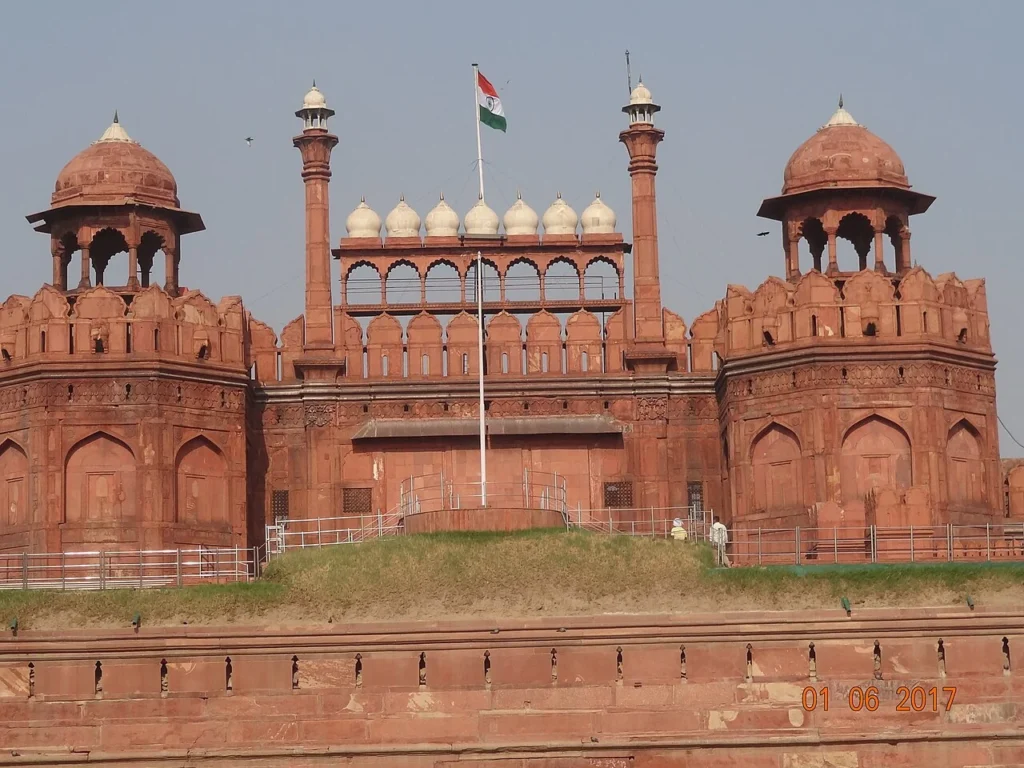
National events help people understand important moments in India’s civic life. They are observed through public ceremonies, school programmes, workplace notices, community activities, government institutions, media broadcasts and personal reflection. The National Events section on India.co.in currently connects readers to Independence Day and Republic Day, two of the most widely recognised civic observances in India. A wider reader may also think of Gandhi Jayanti, Constitution Day, armed forces ceremonies, state-level commemorations and public events connected with national memory.
This page is written for common Indian readers, students, families, businesses, SMEs, foreign visitors, researchers, institutions and diaspora readers. It explains what national events are, why they matter, how people participate, and how organisations should plan communication and operations respectfully. It avoids partisan commentary because national events are best introduced through their civic meaning, constitutional context, public protocols and shared responsibility.
Republic Day and Independence Day
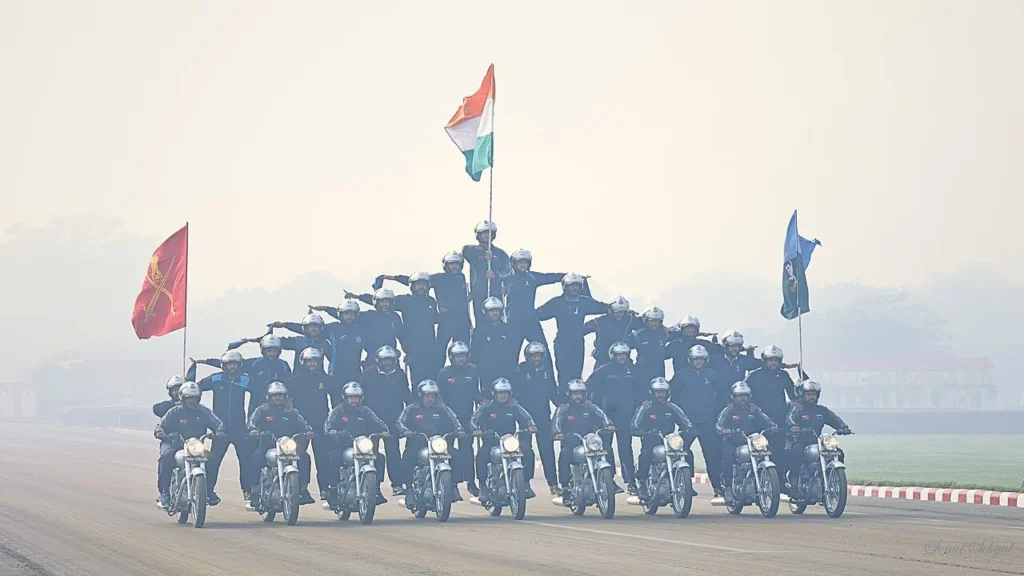
Republic Day, observed on 26 January, is associated with the coming into effect of the Constitution of India and the public celebration of India’s constitutional framework. The main national ceremony in New Delhi includes formal protocol, parade elements, cultural displays, awards, security arrangements and public broadcasts. Across the country, schools, colleges, resident welfare associations, offices, local institutions and public bodies may organise flag-hoisting, speeches, cultural programmes and community gatherings.
Independence Day, observed on 15 August, marks India’s independence from colonial rule. The Red Fort in Delhi is strongly associated with the national ceremony, while local observances take place in schools, government offices, housing societies, panchayats, municipalities, businesses and community institutions. For many families and students, the day is also a time to remember the freedom movement, national symbols, public service and the responsibilities of citizenship.
How people participate
Participation in national events takes many forms. Students may prepare speeches, songs, plays, poster exhibitions or quiz competitions. Families may watch national broadcasts, attend local flag-hoisting programmes or discuss the meaning of the day with children. Workplaces may issue holiday notices, hold short ceremonies, decorate common areas or share internal messages. Community groups may organise cleanliness drives, blood donation camps, cultural programmes or public service activities. Public institutions may follow formal protocol, security instructions and official timings.
National events also have a practical side. Roads may be closed near major venues. Public transport schedules may change. Security screening can be strict. Event invitations, passes and seating arrangements may follow official rules. Businesses near ceremonial routes may need to plan opening hours, delivery schedules and customer notices. Visitors should check current official instructions before attending major events because arrangements can change each year.
What national events mean for different readers
| Reader | Useful focus |
|---|---|
| Students | Constitutional values, independence movement, national symbols, public institutions and respectful participation. |
| Families | Simple explanations for children, local ceremonies, community participation and safe attendance. |
| Businesses and SMEs | Holiday planning, customer communication, staffing, delivery schedules and dignified messaging. |
| Foreign visitors | Public holiday impact, official ceremonies, security rules, transport changes and cultural context. |
| Diaspora readers | A way to reconnect with civic memory through broadcasts, community events and learning resources. |
For schools and colleges
Schools and colleges play a major role in national events. The most effective programmes do more than repeat slogans. They explain the difference between independence and constitutional republic, introduce students to the Constitution, discuss duties and rights at an age-appropriate level, include regional languages where useful, and connect national history with local examples. A school in Assam, Tamil Nadu, Punjab, Maharashtra or Kerala may observe the same national event while including local freedom fighters, local songs, regional history and community service.
Good student participation is inclusive. Not every child is comfortable performing on stage, so roles can include reading, art, research, anchoring, decoration, logistics, accessibility support, music, sports demonstrations and documentation. Schools should also follow safety rules for flag handling, electrical decoration, crowd movement, food distribution and outdoor events in heat or rain.
For businesses, SMEs and foreign organisations
Businesses should treat national events with dignity. Customer messages should be brief, respectful and accurate. Avoid using the national flag, official symbols or defence imagery in careless promotions. Check whether the day is a public holiday for your location and business type. Communicate working hours in advance. Plan staff rosters fairly. For foreign companies, it is better to use simple civic language rather than overconfident political statements. When in doubt, focus on respect, service, community and continuity.
SMEs can participate constructively through local volunteering, student scholarships, community cleanliness drives, support for artisans, responsible decoration or employee education. The goal is not to turn every national event into advertising. It is to recognise that these dates carry public meaning for citizens and institutions.
Responsible use of symbols
- Use the national flag and civic symbols respectfully and only in appropriate contexts.
- Check current rules and local instructions before organising public ceremonies.
- Avoid partisan messaging on pages meant to explain national observances for general readers.
- Use official sources for parade information, passes, broadcast details, public notices and security restrictions.
- Represent national events as civic occasions, not as generic festival marketing opportunities.
Note
Dates, security rules, parade access, road closures and official programmes may change from year to year. Check official sources and local administration notices before attending or organising event-related activity.
National events are also observed through local and state institutions, not only through ceremonies in Delhi. A district collectorate, municipality, panchayat, police unit, school, university, public-sector office or housing society may conduct its own programme with local participants. These local observances make civic memory accessible to people who cannot attend national ceremonies. They also show that citizenship is practised through everyday responsibilities: respecting public spaces, understanding constitutional values, helping neighbours, voting responsibly, following public rules and contributing to community life beyond symbolic celebration.