
Ayurveda in India: Knowledge, Practice and Responsible Use
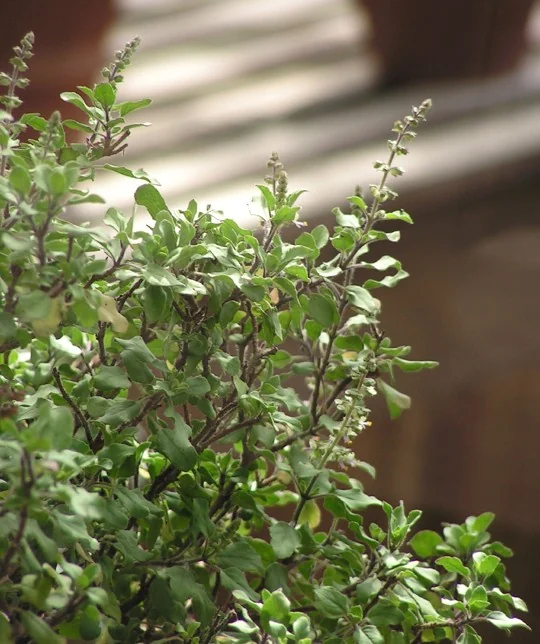
Ayurveda is one of India’s most recognised traditional systems of health knowledge. The word is often explained as knowledge of life, but the system is broader than a collection of home remedies. It includes ideas about constitution, digestion, diet, daily routine, seasonal adjustment, sleep, mental discipline, herbs, oils, cleansing therapies, disease classification, clinical examination, surgical references in classical literature, professional education and community health. In contemporary India, Ayurveda exists in homes, clinics, hospitals, colleges, pharmacies, research institutions, wellness centres and public policy.
This parent Ayurveda page should help readers understand the subject before they open detailed pages on Introduction, Doshas, Traditional Remedies and Career in India. It is written for common readers, families, students, businesses, visitors, researchers and diaspora readers who want clear context. Ayurveda has cultural depth, but it is also a health system. That means readers should approach it with respect and caution: learn the concepts, but take treatment only from qualified practitioners and avoid self-medication for serious conditions.
Important health note
Ayurveda content on this page is educational. It is not a prescription. Pregnant women, children, older people, people with chronic illness, and anyone taking regular medicines should seek qualified medical advice before using herbs, formulations or therapies.
Core ideas readers will encounter
Many Ayurveda introductions begin with the idea that each person has a constitution, often discussed through the language of doshas: vata, pitta and kapha. These terms are part of a larger framework that considers digestion, tissue formation, elimination, sleep, season, environment, behaviour and mental state. Readers should not treat these concepts like casual personality labels. In clinical Ayurveda, they are interpreted through training, examination and context. A social media quiz cannot replace a practitioner who understands history, symptoms, diet, medication, age and health risk.
Another important idea is routine. Ayurveda pays attention to daily habits, seasonal adaptation, food suitability, rest, physical activity and mental balance. This is one reason Ayurveda remains visible in household life. Many families use simple food practices, oiling routines, spice knowledge or seasonal caution as part of their inherited health vocabulary. However, household tradition and clinical treatment are not the same. A kitchen practice may support routine wellbeing, but a disease requires proper diagnosis and care.
Ayurveda in contemporary India
Ayurveda today is not limited to ancient texts or informal practice. India has Ayurveda colleges, hospitals, pharmacies, research institutions, regulatory structures and professional courses. Products range from classical formulations to proprietary products and wellness items. This range can be confusing. Some products are intended for practitioner-supervised use, some are general wellness products, and some claims in the market may be exaggerated. A reader should look for credible labels, qualified advice, transparent ingredients and realistic claims.
Ayurveda is also part of India’s wellness and tourism economy. Visitors may encounter Ayurveda through retreats, massage centres, Panchakarma programmes, resorts or pharmacies. Responsible centres take medical history, explain procedures, discuss contraindications, maintain hygiene and do not promise miracle cures. Readers should be cautious about packages that combine strong medical claims with vague qualifications, especially for chronic disease, fertility, cancer, severe pain, mental health or rapid weight loss.
How to understand the Ayurveda subpages
| Subpage | How to read it |
|---|---|
| Introduction | Use it to learn basic vocabulary, history and the difference between lifestyle guidance and clinical treatment. |
| Doshas | Read doshas as part of a trained assessment framework, not as fixed identity tags. |
| Traditional Remedies | Approach remedies with safety questions: correct plant, dose, condition, age, interactions and practitioner advice. |
| Career In India | Explore Ayurveda education, formal training pathways, clinics, hospitals, research and wellness-sector opportunities. |
| Health | Place Ayurveda within India’s broader health landscape, including modern medicine and other recognised systems. |
Food, herbs and formulations
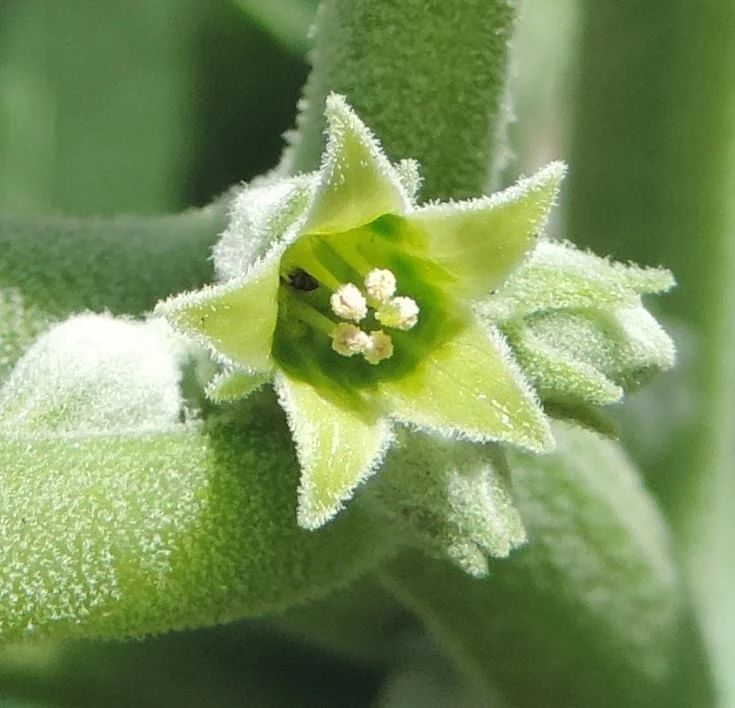
Readers often associate Ayurveda with herbs and kitchen ingredients. Plants such as tulsi, ashwagandha and many others appear in public discussion, product labels and family memory. But plant-based does not automatically mean safe for everyone. Identification matters. Dose matters. Processing matters. The person’s condition matters. Interactions with modern medicines matter. Liver, kidney, pregnancy, blood pressure, diabetes and mental health conditions all require caution. A responsible Ayurveda page should encourage informed questions rather than casual experimentation.
Diet is another major area. Ayurveda places strong emphasis on digestion, timing, food qualities and season. Modern readers can use this as a prompt to think about regular meals, moderation, sleep, hydration and food habits. But restrictive diets should not be adopted blindly, especially for children, elderly people, pregnant women, athletes or people with medical conditions. Dietary advice should be adapted to the person’s health status, culture, budget and clinical needs.
For students and career seekers
Ayurveda can be studied as history, culture, Sanskrit literature, medical anthropology, pharmacognosy, public health, wellness management or formal health education. Students should be clear about their goal. A cultural essay needs sources on history and society. A clinical career needs recognised education and licensure. A business plan needs regulatory awareness, product quality and ethical claims. A tourism offering needs safety protocols and responsible communication. The Career In India page can help readers explore formal pathways rather than relying on vague wellness branding.
For businesses and wellness operators
SMEs and wellness operators should treat Ayurveda with professional seriousness. Clear service descriptions, qualified practitioners, truthful advertising, consent, hygiene and referral pathways are essential. Avoid words that promise guaranteed cures. Avoid using sacred or classical vocabulary only as decoration. Give customers realistic information about what a consultation, therapy, product or retreat can and cannot do. Responsible communication builds trust and protects both the customer and the provider.