
What Kind of Clothes Should You Wear For Yoga?
Choosing clothes for yoga
Yoga clothing should allow easy breathing, safe movement, modest coverage and comfort in the local climate. The best choice is not a brand or fashion look; it is clothing that lets the practitioner move, sit, bend and rest without distraction.
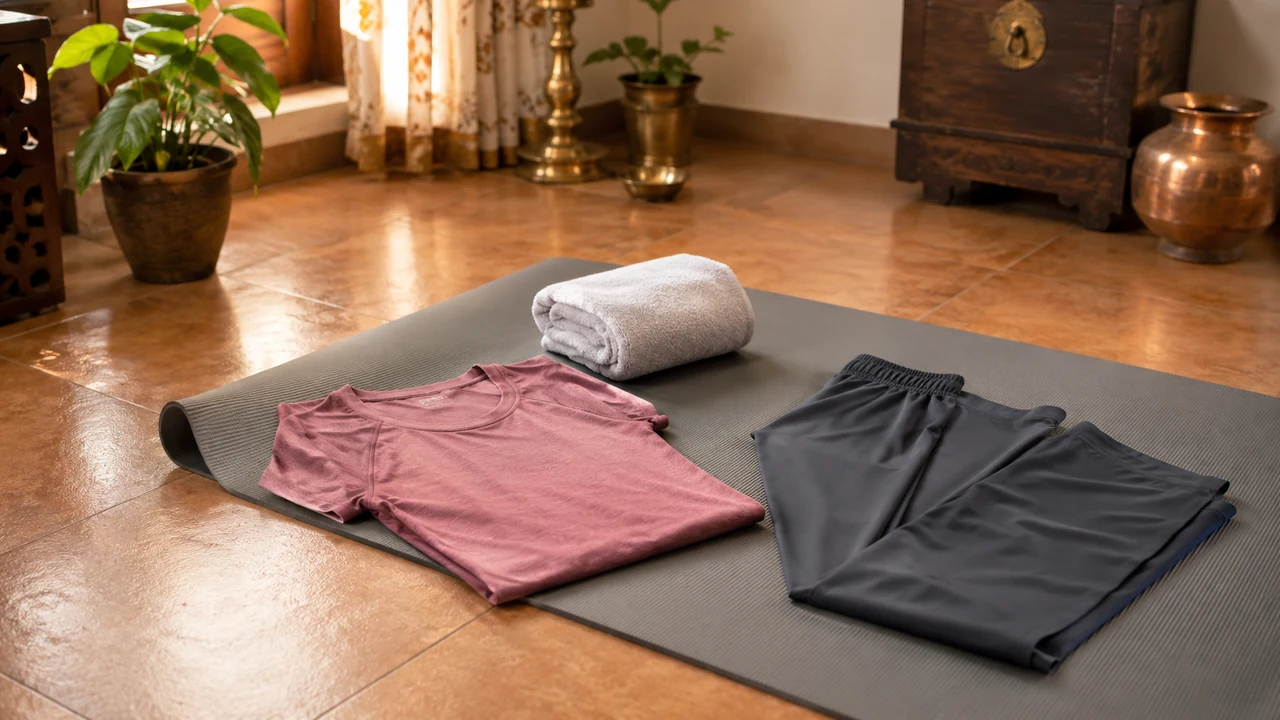
In Indian homes and community settings, people practise yoga in many kinds of clothing: track pants, salwar, leggings, loose cotton trousers, T-shirts, kurtas, shorts, sportswear or school uniforms adapted for movement. The useful question is whether the clothing supports steady practice.
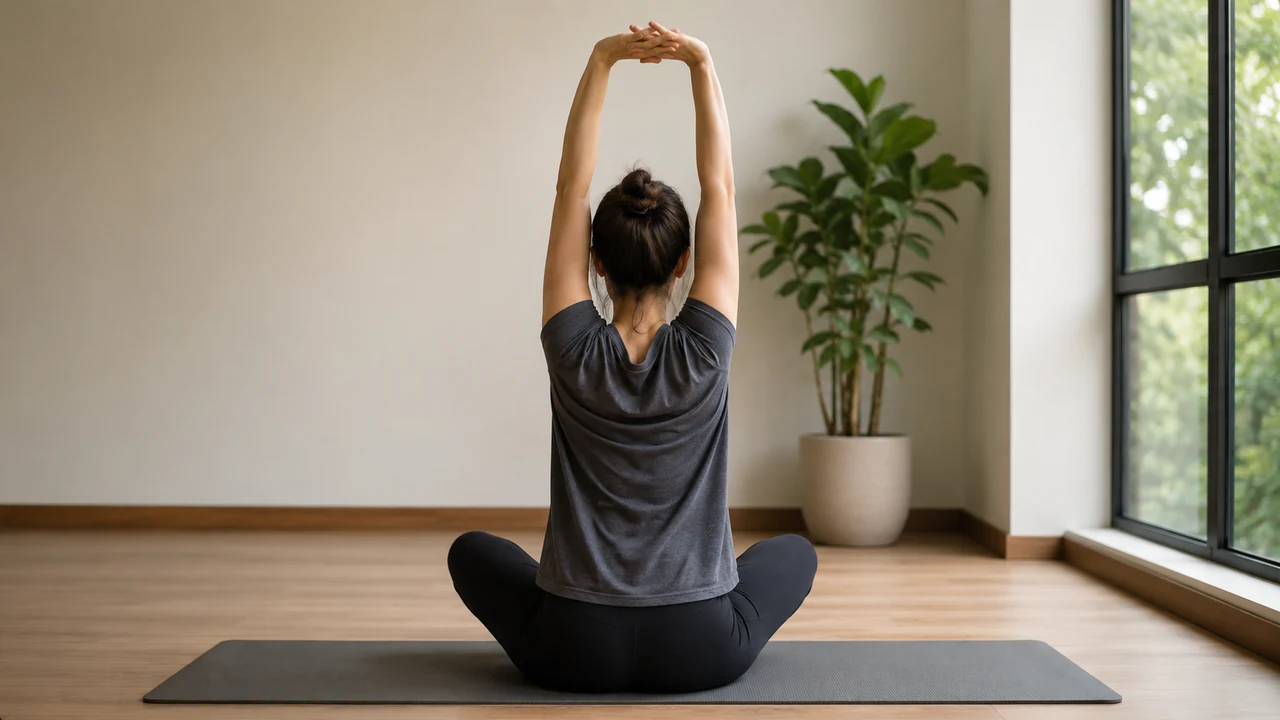
Because yoga includes bending, seated work, standing balance, breathing and relaxation, clothes should stay in place and avoid restriction around the waist, chest, shoulders and knees. Fabric should suit heat, humidity and sweat without becoming unsafe or transparent.
Indian context
Traditional Indian practice does not require expensive clothing. Simplicity, cleanliness and ease are more important than performance styling. Many learners are more comfortable when clothing is modest enough for public classes and flexible enough for floor work.
The Indian climate also matters. Cotton can feel comfortable in slower practices, while breathable stretch fabrics may suit active sessions. In humid coastal cities, quick drying fabric can help. In cooler places, a light layer is useful for relaxation after practice.
Key facts
| Question | Helpful answer | Reader caution |
|---|---|---|
| Practice setting | Useful clothing | Avoid |
| Home or beginner class | Comfortable T-shirt and stretchable trousers | Very tight waistbands |
| Outdoor public session | Breathable layers and secure coverage | Transparent or heavy fabric |
| Restorative practice | Soft layers and warm cover | Accessories that dig in |
| Children or school groups | Uniform-friendly movement clothes | Slippery socks on smooth floors |
How people commonly use it
- Check that the waistband does not pinch during seated breathing.
- Test one squat, one forward bend and one overhead reach before class.
- Use a supportive inner layer if the session includes dynamic movement.
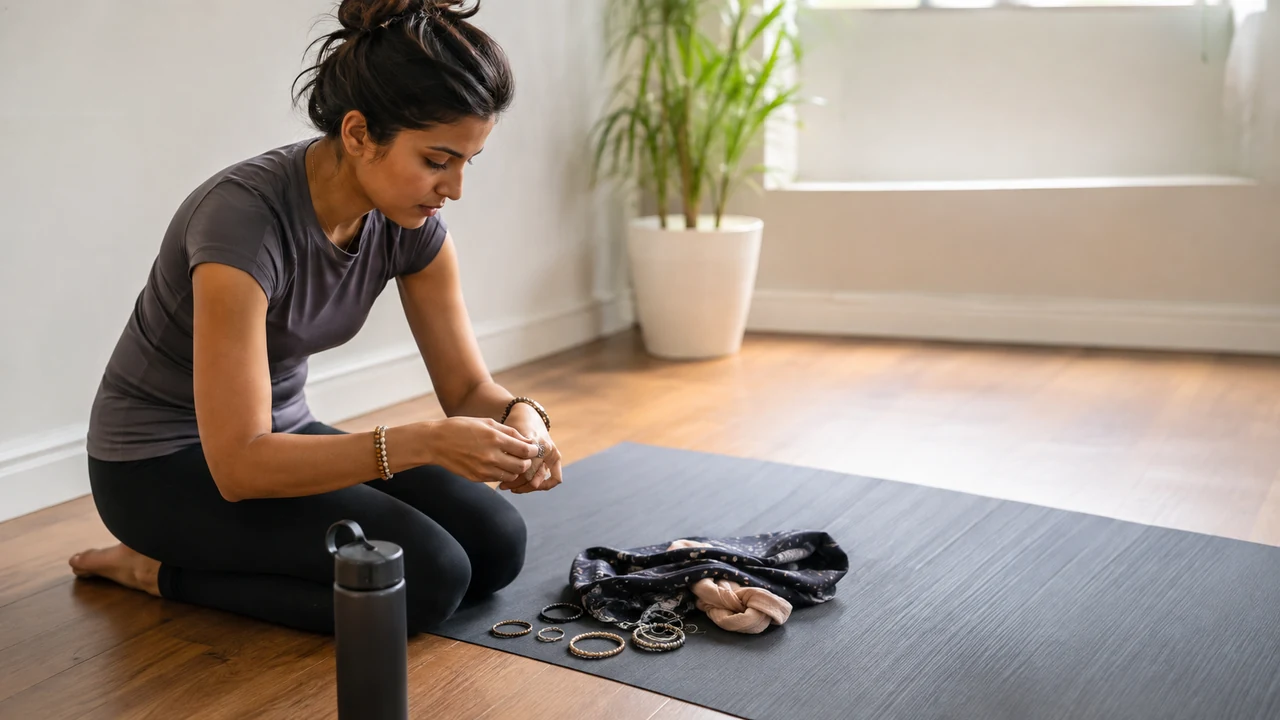
- Tie back long hair and remove dangling accessories.
- Carry a small towel for sweat and mat hygiene.
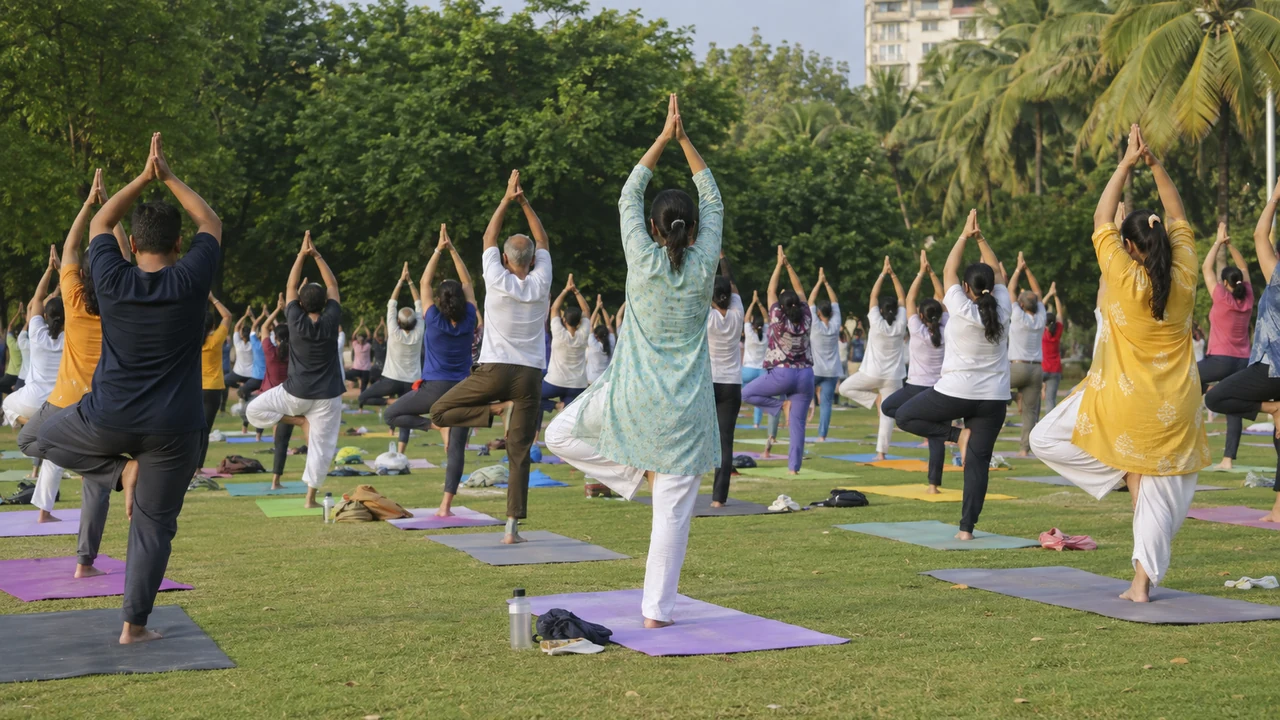
People use different clothing for home practice, studio classes, school sessions, workplace wellness and outdoor events such as International Day of Yoga. For public practice, coverage during forward bends and inversions matters because the practitioner should be able to focus without self-conscious adjustment.
Footwear is usually removed for mat practice, but clean socks may be needed for warmth or hygiene in some settings. Jewellery, watches, belts, loose scarves and sharp accessories can interfere with movement or become uncomfortable during rest.
Evidence and limits
There is no medical evidence that one style of yoga clothing creates yoga benefits. Clothing mainly affects comfort, hygiene, confidence and safety. Claims about special fabrics improving spiritual or health outcomes should be treated cautiously unless properly evidenced.
For people with skin sensitivity, disability, pregnancy, injury or body-image concerns, clothing is a practical support. Choose waistbands, closures and layers that do not press painfully or limit breathing.
Reader Note
Comfort and modesty are personal and cultural. The right clothing is the one that supports safe movement without making the person feel exposed or restricted.
Safety and good judgement
People with medical devices, pregnancy, surgical scars, skin conditions or mobility aids may need individual clothing choices. A teacher should respect those needs and avoid public comments on body shape.
For children and community programmes, inclusion matters. Do not make costly clothing a barrier to participation. Clean, safe, flexible clothing is enough for most basic practice.
Clothing as part of practice discipline
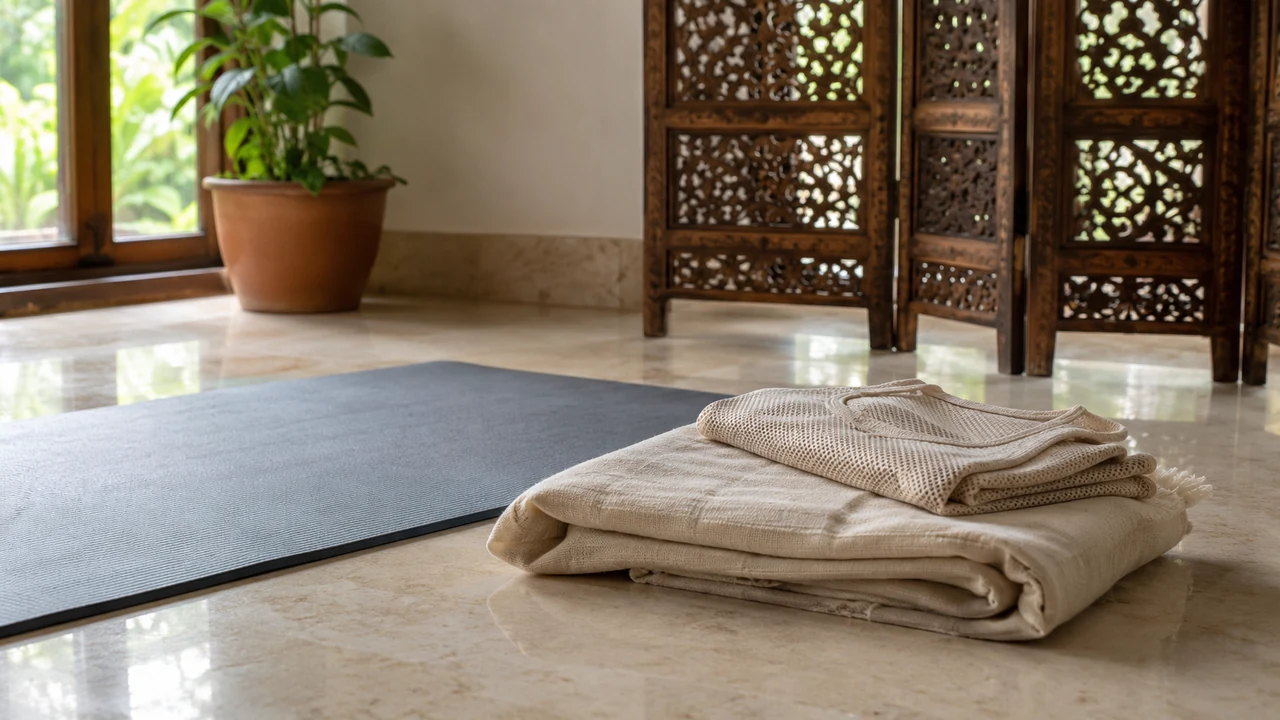
Clothing affects attention. If a learner keeps pulling a shirt down, adjusting a waistband or worrying about transparency, the mind is not free to observe breath and movement. The right clothing removes distraction. It does not need to be expensive, imported or fashionable; it needs to be clean, secure, breathable and appropriate to the setting.
This is particularly important in Indian public and family settings where modesty, weather and mixed-age participation matter. A school session, park session, studio class and home practice may each need slightly different choices. The page should help readers make those choices without shame, body judgement or unnecessary spending.
Comfort, modesty and safety first
Yoga clothing is not a fashion test. The best clothing lets the person breathe, bend, sit, lie down and stand without constant adjustment. In India this may mean sportswear, cotton trousers, leggings, salwar, a T-shirt, a kurta adapted for movement or simple school clothing, depending on the setting.
Modesty and comfort are personal and cultural. Teachers and organisers should avoid making clothing costly or body-focused. Clean, flexible and non-slippery clothing is enough for most beginner practice.