
India’s Heritage: Places, Practices and Living Knowledge
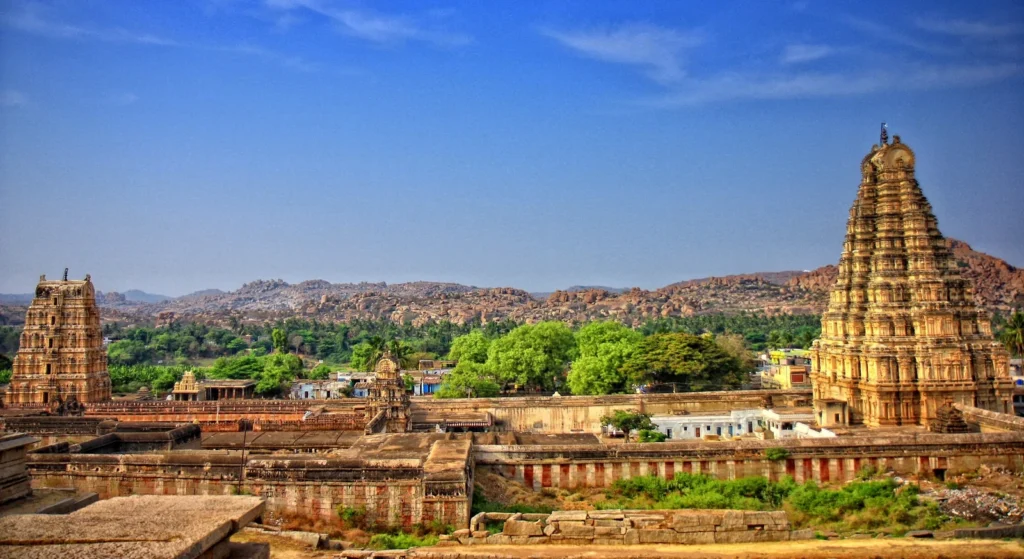
India’s heritage is visible in monuments, museum collections, manuscripts, old cities, sacred landscapes and archaeological sites. It is also alive in Yoga practice, health traditions, Ayurveda, festivals, performing arts, crafts, food memories, public ceremonies, languages and everyday community life. A useful Heritage page should therefore do more than list tourist attractions. It should explain how tangible heritage and living heritage together shape the way people in India understand place, identity, continuity and change.
The Heritage section on India.co.in brings together Yoga, Health, Ayurveda, Cultural Events and National Events. That structure is meaningful because heritage in India is not limited to stone buildings or ancient objects. A national ceremony, a seasonal festival, a classical dance performance, a local fair, a family wellness tradition and a public monument all carry memory in different ways. Some forms are protected through law and institutions; others survive through teachers, households, community groups, performers, healers, artisans, schools and local organisers.
Two dimensions of heritage
Tangible heritage includes physical places and objects: monuments, temples, forts, stupas, mosques, churches, stepwells, inscriptions, sculptures, manuscripts, coins, paintings, textiles, crafts and historic settlements. These forms need documentation, conservation, visitor management and responsible interpretation. Intangible heritage includes practices, skills, rituals, oral traditions, music, dance, healing knowledge, festivals and seasonal observances. These forms need transmission, respect for practitioners, community participation and thoughtful adaptation in changing times.
India’s strength is that these two dimensions often meet. A temple may be a historic structure and also an active place of worship. A festival may use a public square, market street, riverbank or historic precinct. A Yoga practice may be taught in a modern studio while drawing from older philosophical and disciplinary traditions. An Ayurvedic idea may appear in a household routine, a formal college, a wellness centre or a research institution. Heritage is therefore not only about preservation; it is also about continuity with care.
How this Heritage section helps different readers
| Reader | Value of this section |
|---|---|
| Indian families and community readers | A clear introduction to traditions that may be familiar in daily life but need context across regions. |
| Students | A framework to connect culture, civics, health, history and geography without treating them as isolated subjects. |
| Businesses and SMEs | Context for festival calendars, public holidays, customer communication, local sentiment and responsible sponsorship. |
| Visitors and foreign institutions | Beginner-friendly orientation to Indian customs, ceremonies, wellness traditions and cultural sensitivities. |
| Diaspora readers | A path to reconnect with Indian practices through reliable, non-sensational explanations. |
Yoga, health and Ayurveda as heritage
Yoga, Health and Ayurveda belong in the Heritage section because they show how knowledge can be transmitted through practice, institutions and public memory. Yoga is not only a fitness routine; it includes discipline, breath, posture, concentration, philosophical vocabulary and modern public health relevance. Health in India is plural, involving modern biomedical care and recognised traditional systems. Ayurveda is a structured knowledge tradition with concepts of constitution, digestion, routine, herbs, therapies, professional education and clinical practice. Readers should understand these areas respectfully but also practically: cultural value does not remove the need for safety, evidence, qualified practitioners and responsible use.
This matters for ordinary readers because many people encounter traditional health content through family advice, wellness marketing, social media or travel experiences. A reader-facing page should help them separate broad cultural understanding from personal medical decisions. It should also show that India’s knowledge traditions are not museum pieces; they are studied, debated, regulated and practised in contemporary society.
Cultural and national events as heritage
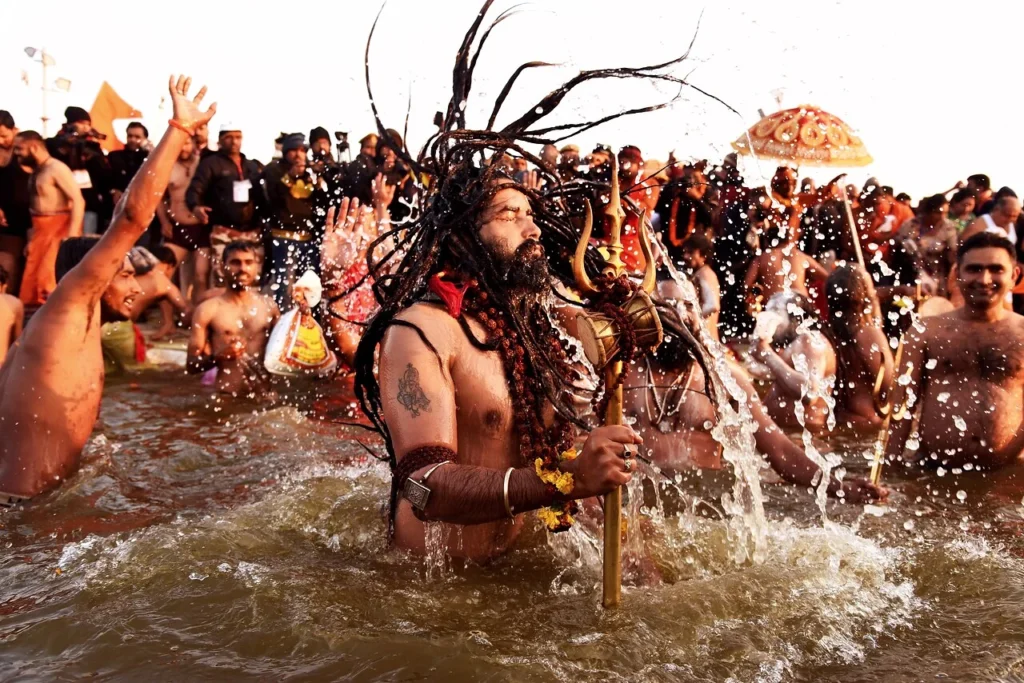
Cultural Events and National Events show how heritage becomes public. Cultural events may be seasonal, regional, devotional, artistic, agricultural, literary, culinary or community-based. They can include Garba, Durga Puja, Kumbh Mela, classical dance festivals, craft melas, harvest celebrations and local fairs. National events such as Republic Day and Independence Day have a civic character. They help people understand the Constitution, independence, public institutions, ceremonial protocols, national symbols and shared responsibility.
For businesses and foreign organisations, this distinction is important. A festival may affect market activity, travel demand, working hours, customer expectations and local communications. A national event may require formal respect for symbols, closure planning, event security and careful public messaging. The Heritage section can help such readers plan respectfully without treating culture as a marketing decoration.
Responsible engagement with Indian heritage
- Read local context before visiting or writing about a heritage site, festival or practice.
- Respect active religious spaces, photography rules, community customs and conservation boundaries.
- Avoid presenting one region’s custom as if it represents all of India.
- Use official sources for public holidays, monument access, event timings and safety advisories.
- Credit artists, artisans, teachers and community practitioners when discussing living traditions.
A practical reading path
Begin with Yoga if you want to understand a globally known Indian discipline. Move to Health and Ayurveda for context on India’s traditional health landscape. Read Cultural Events to understand festivals, performance traditions and public gatherings. Read National Events to understand civic observances such as Independence Day and Republic Day. Together, these pages help readers see India as a country where historical memory, daily practice and public life remain closely linked.