
Varanasi: The Eternal City on the Banks of the Ganges
About Varanasi
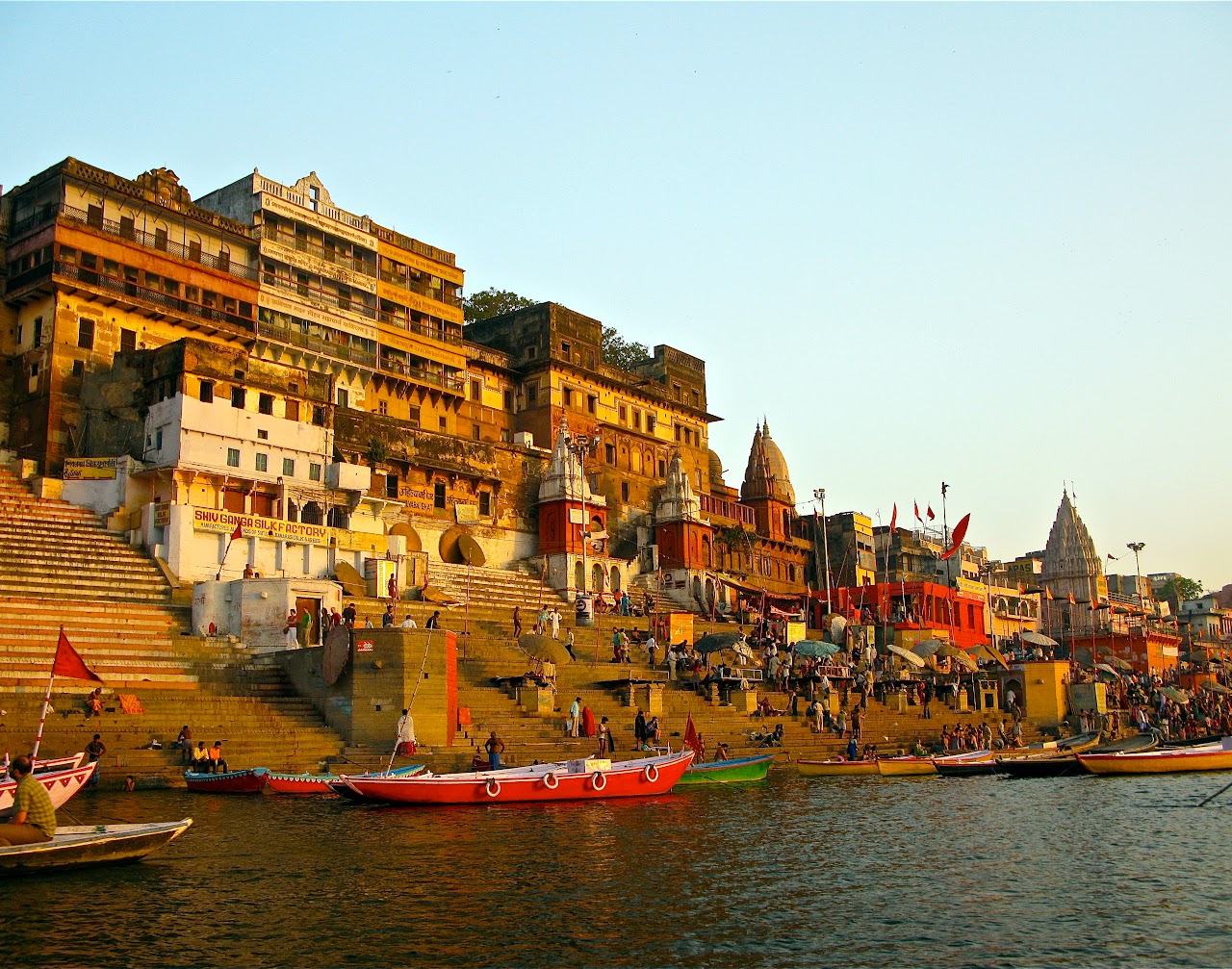
Varanasi, also known as Kashi and Banaras, is one of the world’s oldest continuously inhabited cities and among India’s most revered spiritual destinations. Situated along the sacred River Ganga in Uttar Pradesh, the city has served as a center of faith, learning, philosophy, music, and culture for thousands of years. Revered in Hindu tradition as the city of Lord Shiva, Varanasi attracts millions of pilgrims, scholars, and travelers seeking a deeper connection with India’s spiritual heritage.
The city’s unique atmosphere is shaped by its labyrinthine lanes, ancient temples, bustling markets, and the iconic ghats that descend to the river. Here, daily life unfolds alongside centuries-old rituals, creating an experience unlike any other destination in India.
The Sacred Ghats of Varanasi
The riverfront of Varanasi is lined with nearly one hundred ghats, each possessing its own history and significance.
Dashashwamedh Ghat
The most famous and vibrant ghat in the city, Dashashwamedh Ghat is renowned for the spectacular evening Ganga Aarti. Priests perform synchronized rituals with lamps, incense, and chanting, attracting visitors from around the world.
Assi Ghat
Located at the southern end of the city, Assi Ghat is a popular gathering place for pilgrims, students, yoga practitioners, and cultural enthusiasts. Sunrise at Assi Ghat offers some of the most memorable views of the city.
Manikarnika Ghat
One of the oldest and most sacred cremation ghats in India, Manikarnika Ghat holds profound religious significance. Hindus believe that cremation here can help attain liberation from the cycle of birth and rebirth.
Harishchandra Ghat
Named after the legendary King Harishchandra, this ghat is another important site associated with cremation rituals and spiritual traditions.
Spiritual and Religious Significance
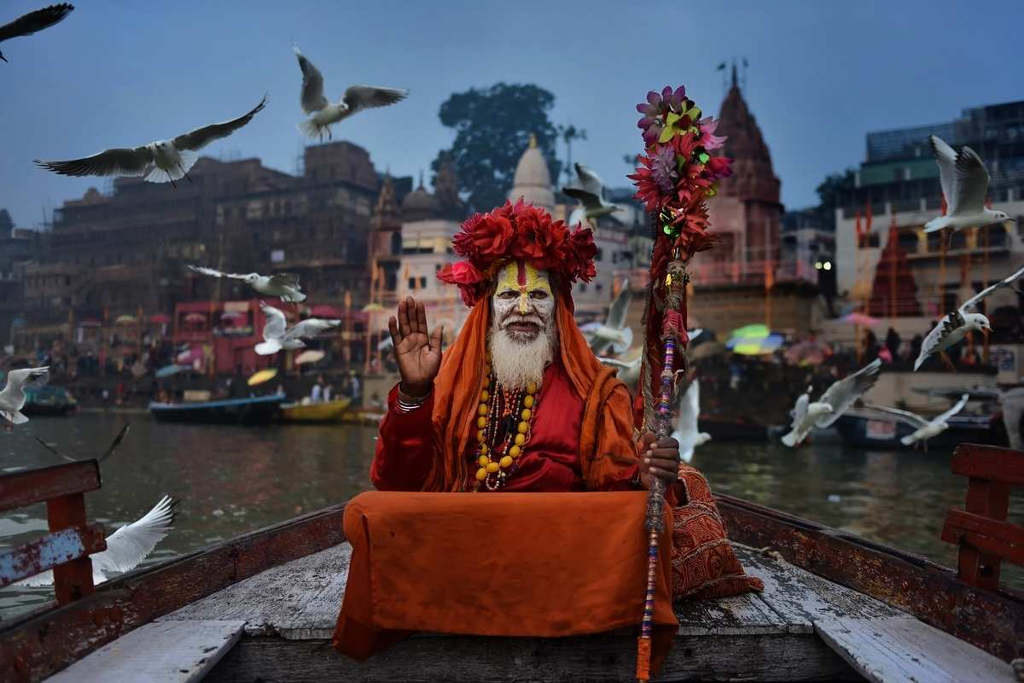
Varanasi occupies a special place in Hindu belief as one of the seven sacred cities capable of granting moksha, or liberation. For centuries, pilgrims have journeyed here to bathe in the holy waters of the Ganga, perform ancestral rites, and seek blessings at its temples.
The city is also important to Buddhism and Jainism. Nearby Sarnath marks the location where Gautama Buddha delivered his first sermon after attaining enlightenment, making it one of the most significant Buddhist pilgrimage destinations in the world.
Must-Visit Attractions
Kashi Vishwanath Temple
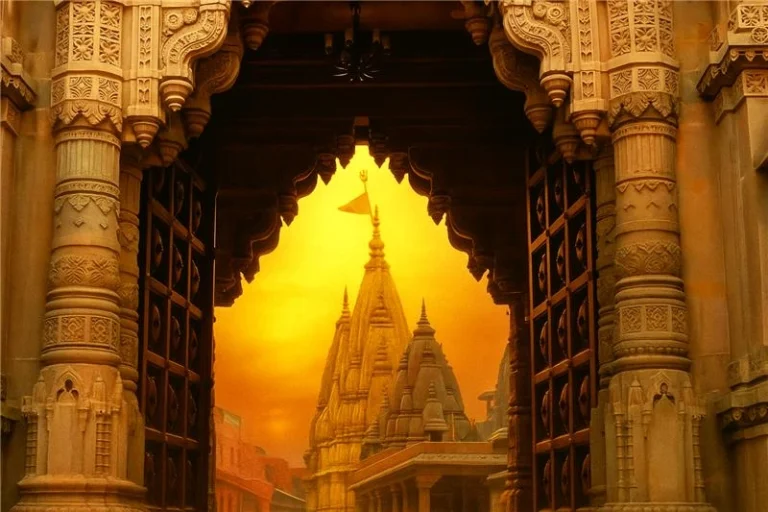
One of the most important Hindu temples dedicated to Lord Shiva, the Kashi Vishwanath Temple attracts devotees from across India and beyond. The temple forms the spiritual heart of the city.
Sarnath
Located a short distance from Varanasi, Sarnath features ancient stupas, monasteries, archaeological remains, and museums connected to the life and teachings of Buddha.
Ramnagar Fort
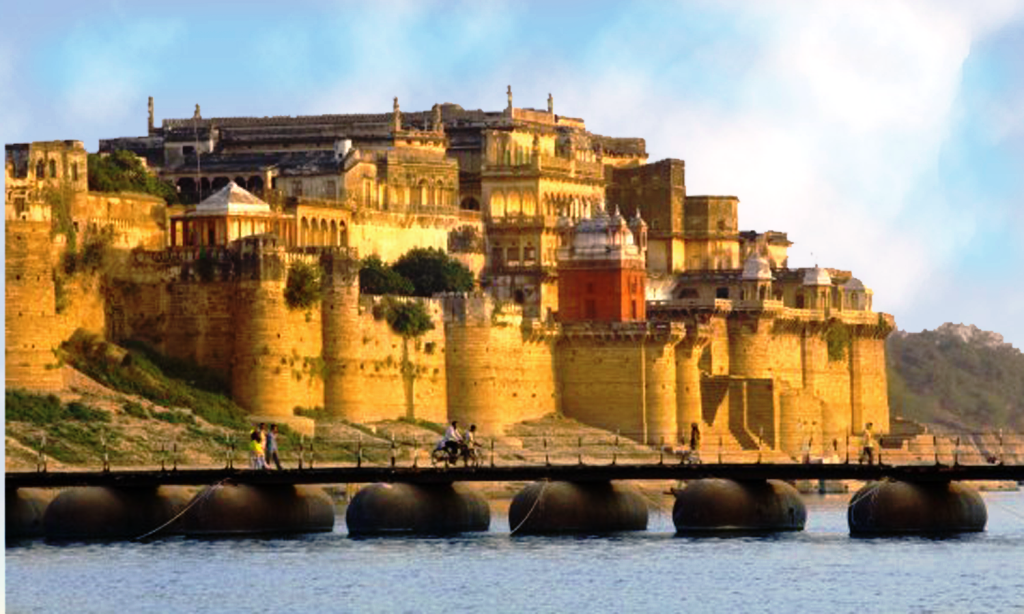
Situated across the river, this eighteenth-century fort offers insight into the region’s royal history, with collections of vintage vehicles, weapons, manuscripts, and royal artifacts.
Bharat Kala Bhavan
Located within Banaras Hindu University, this museum houses an impressive collection of sculptures, paintings, manuscripts, textiles, and archaeological treasures.
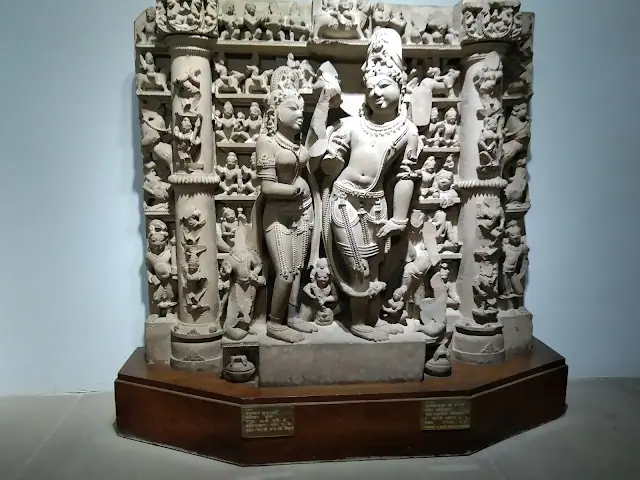
Culture, Music, and Learning
Varanasi has long been considered a center of Indian classical music and scholarship. The city has produced legendary musicians, philosophers, Sanskrit scholars, and poets. Banaras Gharana traditions continue to influence Hindustani classical music, tabla, shehnai, and vocal performances.
Banaras Hindu University, one of India’s largest and most prestigious institutions, contributes significantly to the city’s reputation as a center of higher learning and cultural preservation.
Culinary Experiences
Varanasi offers a rich culinary tradition that reflects its cultural diversity.
Popular local specialties include:
- Banarasi Kachori Sabzi
- Tamatar Chaat
- Malaiyyo (seasonal winter delicacy)
- Lassi served in traditional earthen cups
- Banarasi Paan
- Rabri and traditional sweets
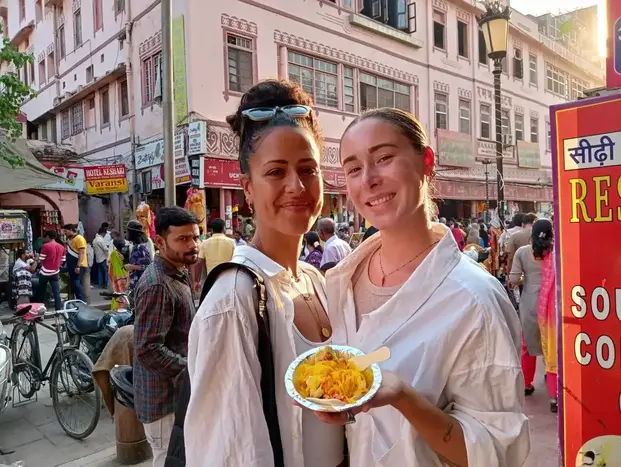
Exploring the narrow lanes around Godowlia and Vishwanath Gali provides an excellent opportunity to experience the city’s famous street food culture.
Best Time to Visit
The ideal time to visit Varanasi is between October and March, when pleasant temperatures make sightseeing and riverfront walks more comfortable. Winter mornings often create beautiful mist-covered views along the Ganges, enhancing the city’s spiritual ambiance.
Experiences Not to Miss
- Sunrise boat ride on the Ganga
- Evening Ganga Aarti at Dashashwamedh Ghat
- Walking tour through the old city’s historic lanes
- Visit to Kashi Vishwanath Temple
- Excursion to Sarnath
- Sampling authentic Banarasi street food
- Exploring traditional silk weaving neighborhoods
- Witnessing classical music and cultural performances
Interesting Facts
- Varanasi is often regarded as one of the oldest living cities in the world.
- The city is known by three historic names: Varanasi, Kashi, and Banaras.
- It is one of Hinduism’s most sacred pilgrimage destinations.
- The famous Banarasi silk saree tradition originated here.
- The city has been a center of learning, philosophy, music, and spirituality for centuries.
A Journey Beyond Tourism
A visit to Varanasi is more than a sightseeing experience. It is an immersion into a living civilization where ancient traditions continue to coexist with modern life. Whether arriving as a pilgrim, cultural enthusiast, photographer, historian, or curious traveler, visitors often leave with a deeper appreciation of India’s spiritual and cultural heritage. The city’s timeless character, sacred riverfront, and enduring traditions make Varanasi one of the most unforgettable destinations in the world.