
Yoga hello world: a beginner’s first step
At a glance
Yoga Hello World is a beginner-friendly starting page. It introduces yoga as an Indian practice of steadiness, attention and disciplined living, then helps readers take their first safe steps without feeling overwhelmed.
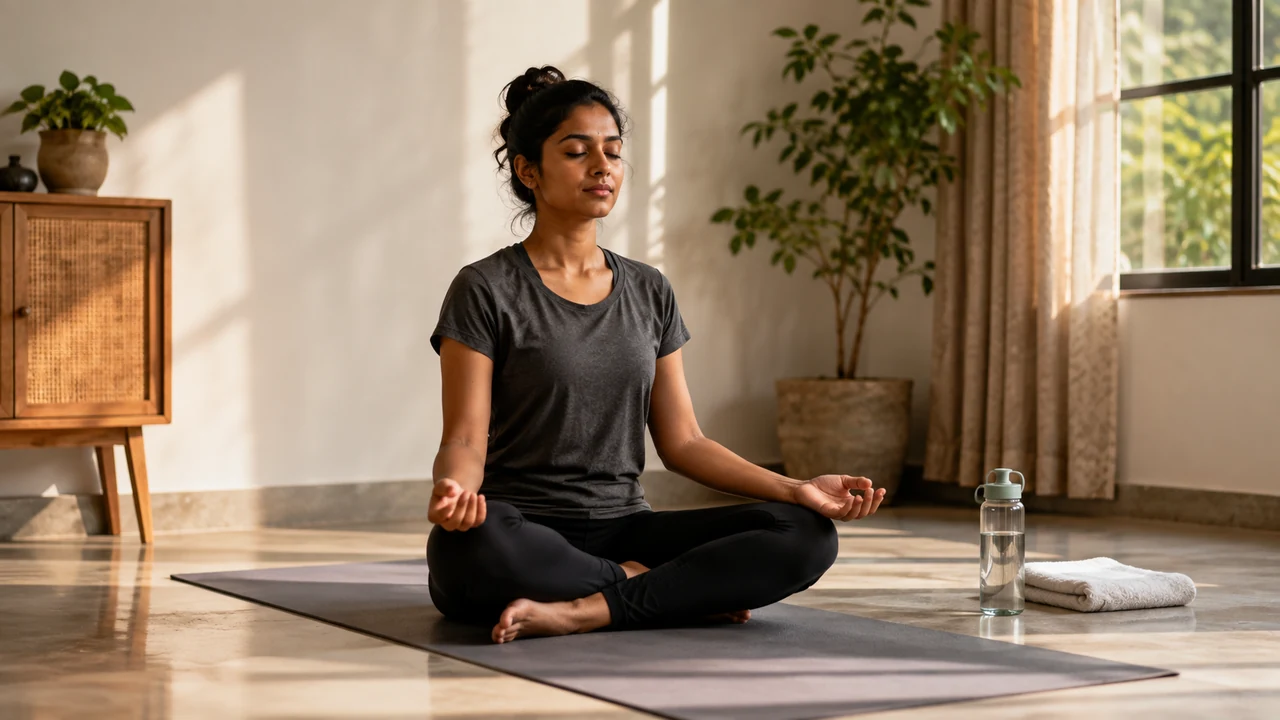
A first encounter with yoga should feel welcoming. The learner does not need perfect Sanskrit pronunciation, expensive clothes, a flexible body or a dramatic life change. They need a quiet space, a realistic plan, respect for the tradition and permission to begin gently.
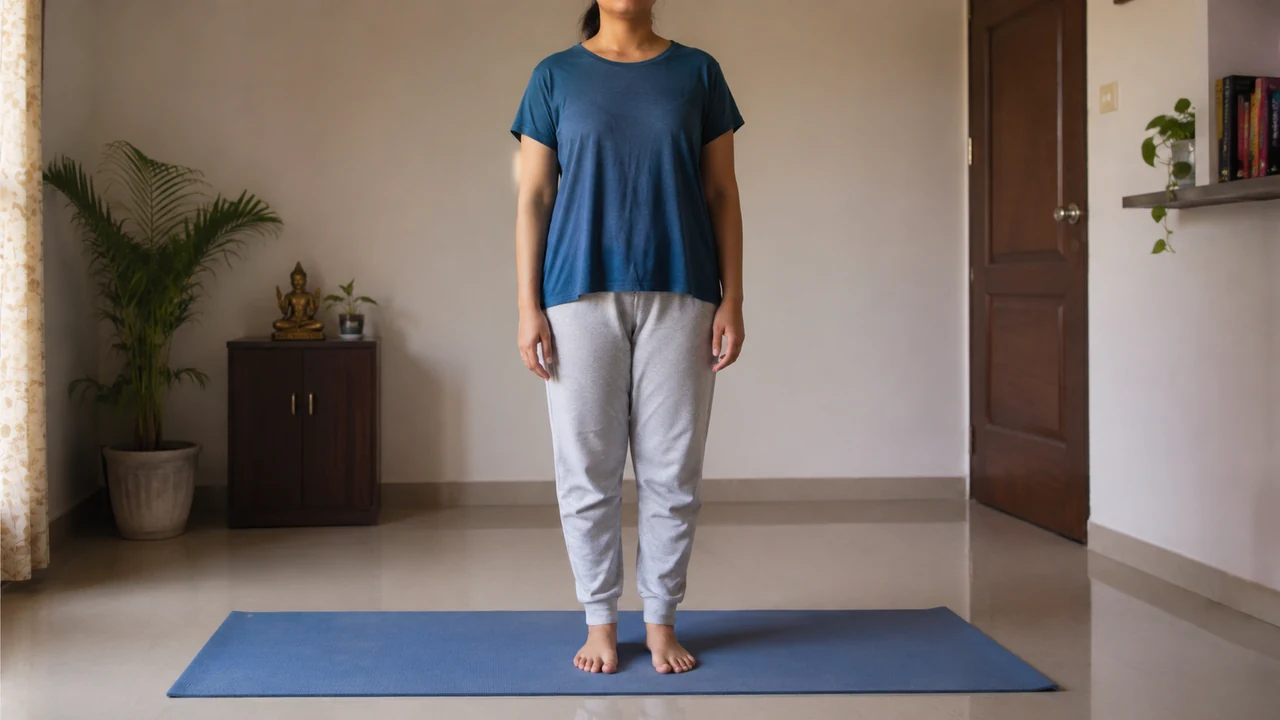
The phrase Hello World suits this page because it marks a first working example. In yoga, the first example may be as simple as standing steadily, sitting comfortably, breathing without strain and noticing how the body and mind respond.
Indian context
Indian traditions present yoga as more than stretching. Posture, breath, attention, conduct and self-study belong together. Modern beginners often start with the body because it is easiest to observe, but the attitude of steadiness and non-harm should guide every step.
This India-centred framing prevents yoga from becoming only a fitness trend. It also keeps the door open for readers who approach yoga through culture, philosophy, health motivation, stress management, family practice or curiosity.
Key facts
| Question | Helpful answer | Reader caution |
|---|---|---|
| Beginner question | Helpful answer | Avoid |
| How long to start? | Ten to twenty minutes is enough | Do not overtrain |
| What equipment? | A clean mat or firm non-slip surface | Avoid slippery floors |
| What should I learn first? | Comfortable movement and rest | Do not chase advanced poses |
| How often? | Small regular sessions | Do not practise through pain |
How people commonly use it
- Choose a clean, quiet and well-ventilated space.
- Wear clothing that allows breathing and movement.
- Begin with gentle loosening before stronger postures.
- Keep breathing smooth and unforced.
- End with rest so the body can settle.
People commonly begin at home, in a park, through a school session, with an online video or in a local class. Each route can work if the practice remains simple, safe and regular. Ten calm minutes done well may be more useful than an ambitious session that causes pain.
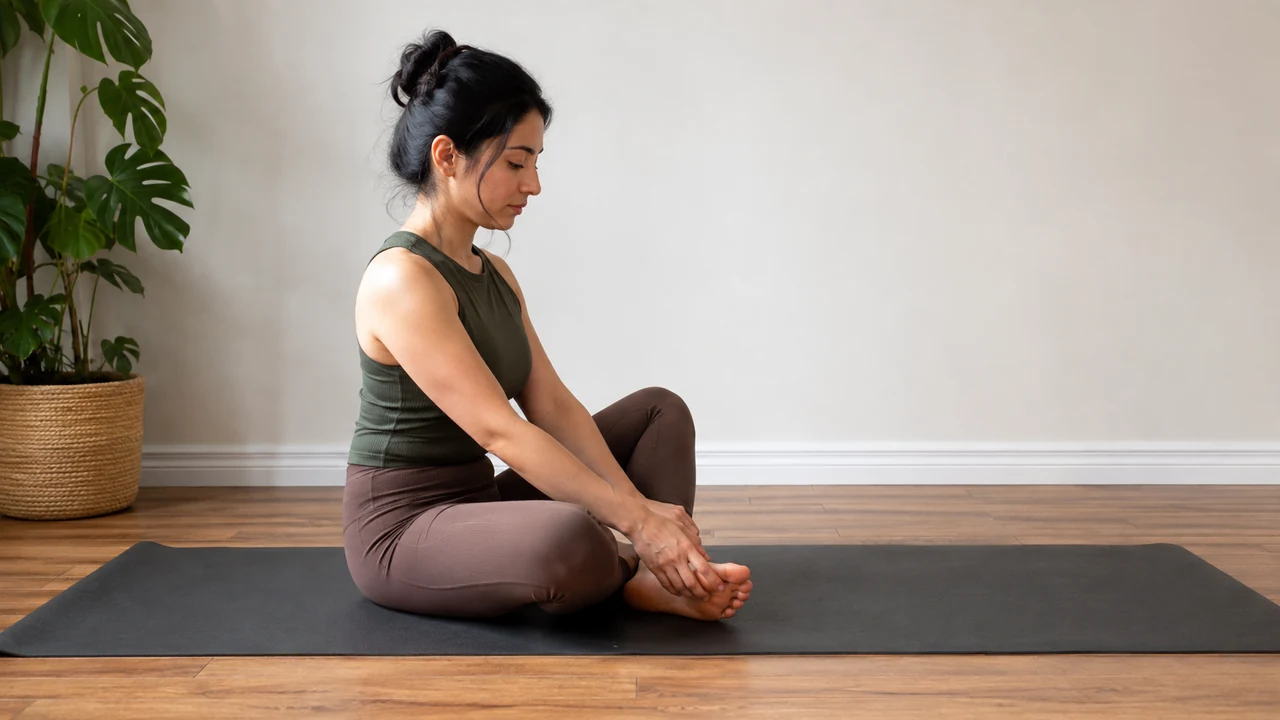
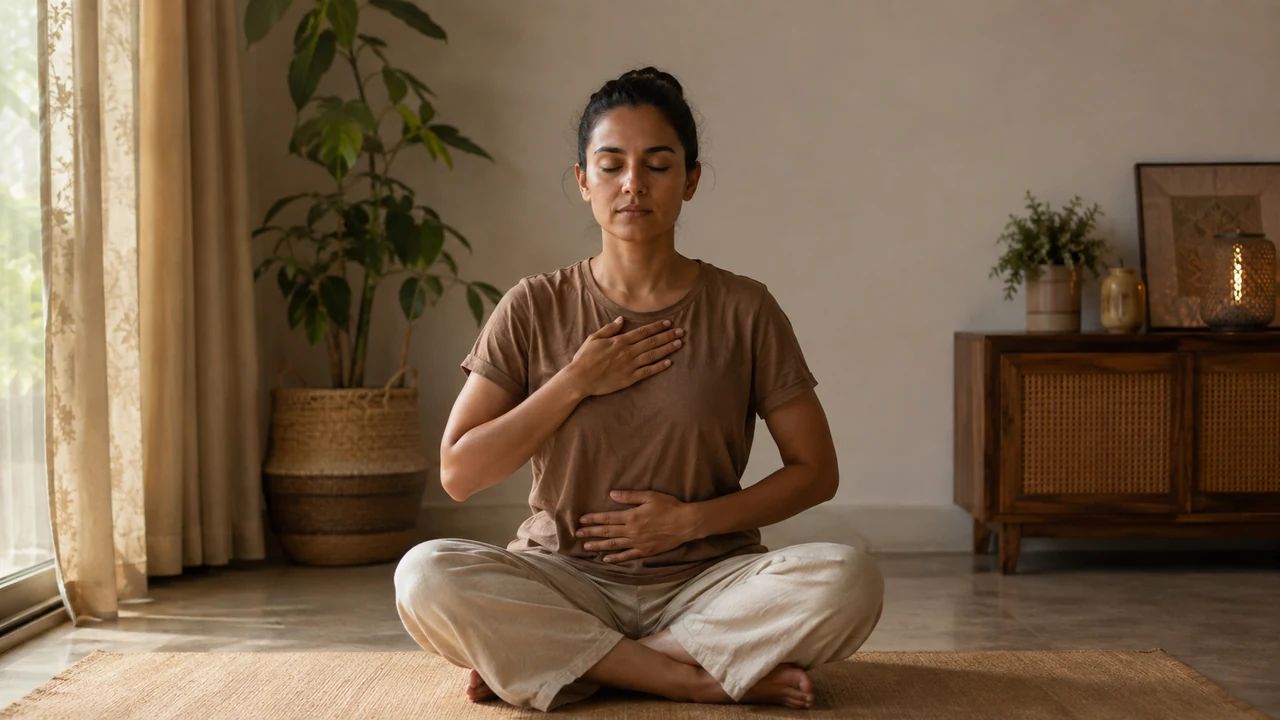
A beginner routine can include checking the space, loosening the joints, practising two or three comfortable movements, sitting quietly, breathing naturally and resting. The aim is familiarity, not achievement.
Evidence and limits
The Common Yoga Protocol is useful because it shows a broad public sequence, but beginners should not force every item. Evidence for health outcomes should be read carefully: yoga may support wellbeing for many people, but individual needs differ.
The first month is about learning signals: comfort, breath, balance, tiredness, mood and recovery. If a practice creates sharp pain, dizziness or fear, it needs to be changed or stopped.
Reader note
Beginners should treat yoga as learning, not performance. Public images of advanced postures can be inspiring, but they are not the standard for a safe first month.
Safety and good judgement
People with injury, pregnancy, major illness, dizziness, high pain levels or medical restrictions should get guidance before starting. Children and older adults benefit from supervision and adaptation.
A good first practice is one you can repeat tomorrow with steadiness. That is closer to yoga than forcing the body for a photograph.
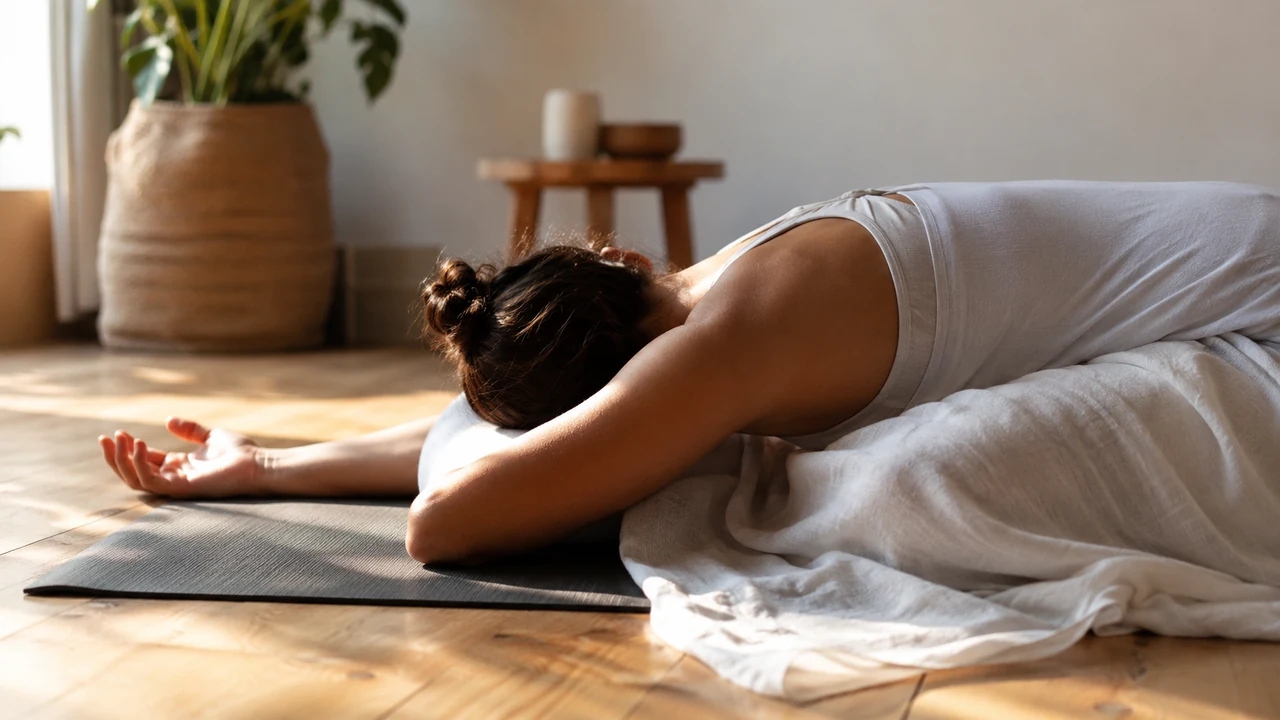
Keeping the first step simple
The beginner stage is delicate because enthusiasm can turn into over-effort. A new learner may watch advanced videos and feel that yoga begins with impressive postures. In practice, the first step is much quieter: learn to stand, sit, bend a little, breathe naturally, notice strain and rest. These simple actions build the confidence needed for deeper learning.
A first month can have a gentle rhythm: two or three short sessions a week, the same basic movements, a note on how the body feels, and one question for a teacher or reliable source. This keeps yoga close to daily life. It also honours the Indian understanding that practice is cultivated over time, not consumed as a quick challenge.
A first month of yoga
A beginner does not need to master a full sequence immediately. The first month can be built around a clean space, five minutes of joint loosening, a few comfortable postures, natural breathing and rest. Repetition teaches more than novelty at this stage.
The word hello in this page title should feel literal: this is a first greeting to yoga. Begin politely, listen carefully and do not force the body to imitate advanced images. A practice that can be repeated tomorrow is more valuable than one dramatic session.
A beginner may also need reassurance that yoga does not require a perfect room. A clean corner, a firm non-slip surface, loose enough clothing and a few quiet minutes can be enough. The practice becomes sustainable when it fits real homes, work schedules and family life.
The first lessons are observational: which movement feels easy, which side feels stiff, when breath becomes strained, and how rest changes the body. This kind of observation is not small. It is the beginning of self-study, one of the habits that gives yoga its depth.