
Health Systems and Wellness Traditions in India
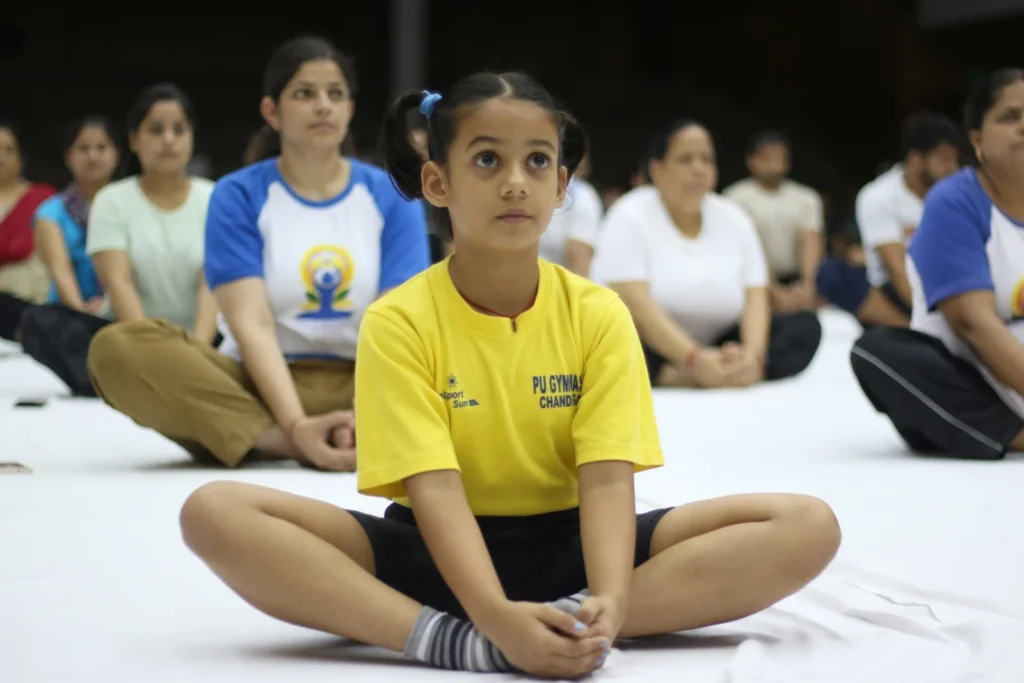
India has a plural health landscape. Modern biomedical healthcare is delivered through public hospitals, private hospitals, clinics, diagnostics, pharmacies, insurance networks, community health workers, medical colleges and national programmes. Alongside this system, India also has recognised traditional and complementary health systems commonly grouped under Ayush: Ayurveda, Yoga and Naturopathy, Unani, Siddha, Sowa-Rigpa and Homoeopathy. A useful Health page on India.co.in should introduce these systems clearly for readers who want cultural and practical context without turning the page into medical advice.
The Health section has several related subpages, including Ayush, Naturopathy, Siddha Health System, Unani Medicine, Introduction to Meditation and Medical Tourism. The parent Health page should therefore work like a map. It should help readers understand what each system generally covers, where it fits in Indian society, and what precautions are necessary when health choices affect real people. This is especially important for families, students, older readers, patients with chronic conditions, visitors seeking treatment, and businesses working in health, wellness, travel or insurance.
Important health note
This page is for general information about India’s health and wellness landscape. It is not a diagnosis, prescription or treatment plan. For illness, pregnancy, child health, mental health, surgery, chronic disease, emergencies or medicine interactions, consult qualified healthcare professionals.
Understanding the Indian health landscape
In everyday India, health decisions often involve more than one layer. A family may use a government health centre for immunisation, a private doctor for consultation, a hospital for surgery, a pharmacist for medicines, Yoga for flexibility, home food practices for routine wellbeing and an Ayurveda or Unani practitioner for specific advice. This does not mean all choices are interchangeable. Emergency care, infectious disease, trauma, childbirth complications, surgery and serious chronic conditions need evidence-based clinical care. Traditional systems may be relevant in preventive care, lifestyle guidance or specific regulated contexts, but they should be used safely and with qualified advice.
For international readers, it is useful to understand that traditional health systems in India are not only informal family practices. They also exist through formal colleges, hospitals, pharmacies, research bodies, regulatory structures, public institutions and professional training. At the same time, the quality of advice can vary widely in the marketplace. That is why readers should distinguish between a qualified practitioner, a licensed product, a classical concept, a wellness advertisement and a social media claim.
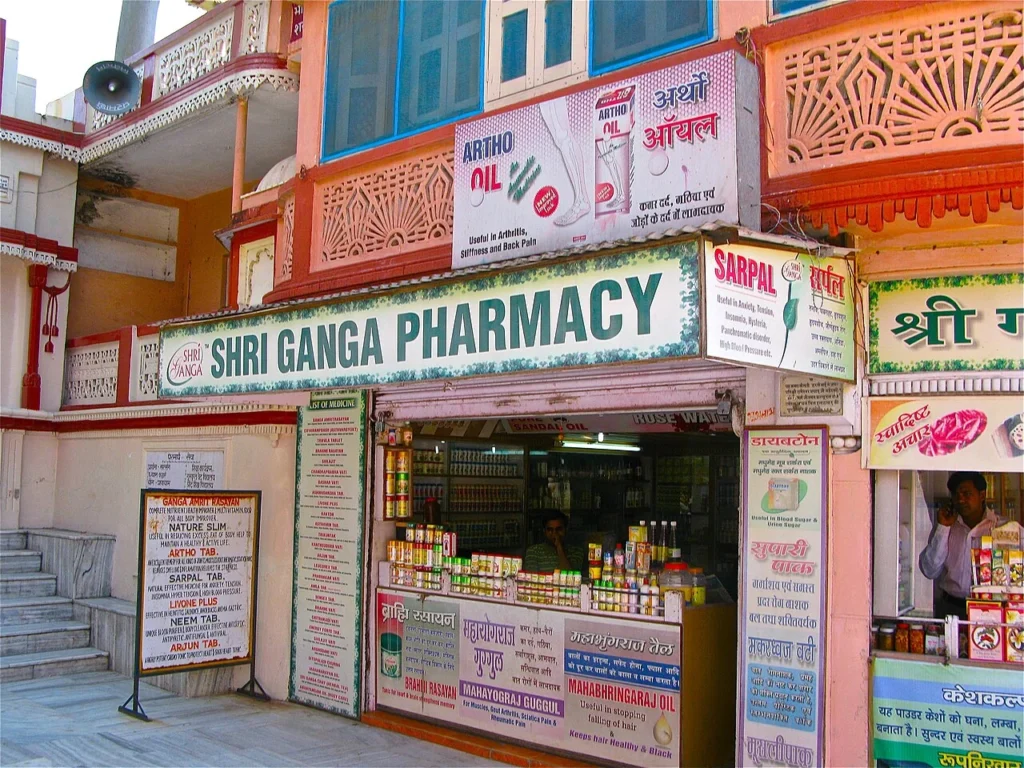
Major health systems and wellness approaches
| System or approach | What readers should understand |
|---|---|
| Modern medicine | Primary care, emergency medicine, surgery, diagnostics, vaccination, public health and hospital-based treatment. |
| Ayurveda | A traditional system that uses ideas of constitution, digestion, routine, diet, herbs and therapies through trained practitioners. |
| Yoga | A discipline involving posture, breath, concentration and lifestyle; widely used for wellbeing and physical awareness. |
| Naturopathy | An approach that emphasises diet, natural living, physical methods and lifestyle discipline, usually in wellness settings. |
| Siddha | A traditional system strongly associated with Tamil regions, with its own theory, formulations and clinical practice. |
| Unani | A system with Greco-Arabic roots and a long South Asian history, using concepts of temperament, regimen and formulations. |
| Homoeopathy and Sowa-Rigpa | Recognised systems with distinct histories, institutions and practitioner communities in India. |
How to use this section responsibly
Readers should treat the Health section as a starting point for understanding, not as a shortcut to self-treatment. India has a large health marketplace, and claims about immunity, pain relief, weight loss, fertility, diabetes, cancer, mental health and anti-ageing can be misleading if they are not supported by qualified advice and appropriate evidence. A traditional label does not automatically make a product safe. Herbs can interact with medicines, unsuitable diets can harm vulnerable patients, and delayed treatment can turn a manageable condition into an emergency.
At the same time, the social value of India’s health traditions should not be dismissed. Yoga classes, meditation practices, diet routines, local food knowledge, preventive care conversations and traditional medical education all influence how millions of people think about wellbeing. The goal of this page is to give readers enough structure to ask better questions: What system is being discussed? Who is qualified to advise? Is this preventive, supportive or curative? Is there a risk of interaction? Is the source official, clinical, commercial or anecdotal?
Medical tourism and health travel
Medical tourism is another important part of India’s health story. India attracts domestic and international patients for procedures, specialist consultations, diagnostics, rehabilitation, wellness stays and follow-up care. Readers considering medical travel should compare hospitals, doctors, accreditation, costs, language support, visa rules, travel recovery time, infection-control practices and continuity of care after returning home. They should not choose a provider only because of a package price or online advertisement.
Wellness tourism is different from medical treatment. A Yoga retreat, meditation programme, Ayurveda wellness stay or naturopathy centre may offer rest and routine, but it should not be confused with emergency care or specialist treatment. Visitors should disclose health conditions, medications and allergies, and should avoid stopping prescribed medicines without the approval of their doctor.
What each subpage can help you explore
- Introduction to Meditation can help readers understand attention, breath awareness and mental steadiness in a simple way.
- Ayush Traditional Health Systems in India can explain the recognised systems and their institutional context.
- Naturopathy can introduce lifestyle-based wellness approaches and their limitations.
- Siddha Health System and Unani Medicine can help readers understand regional and historical health traditions.
- Medical Tourism can guide readers through practical questions before planning treatment-related travel.
For businesses, schools and community organisations
Indian businesses and schools often organise health camps, Yoga sessions, wellness talks or awareness drives. These can be useful when they are designed responsibly. Organisers should avoid exaggerated cure claims, ensure speaker credentials, provide emergency contacts, respect privacy, and make participation voluntary. SMEs in wellness, travel or hospitality should be especially careful with advertising language. A respectful wellness offering explains what it provides and what it does not provide.
Related India.co.in pages
- Introduction to Meditation
- Ayush Traditional Health Systems in India
- Naturopathy
- Siddha Health System
- Unani Medicine
- Medical Tourism