
People and culture in India
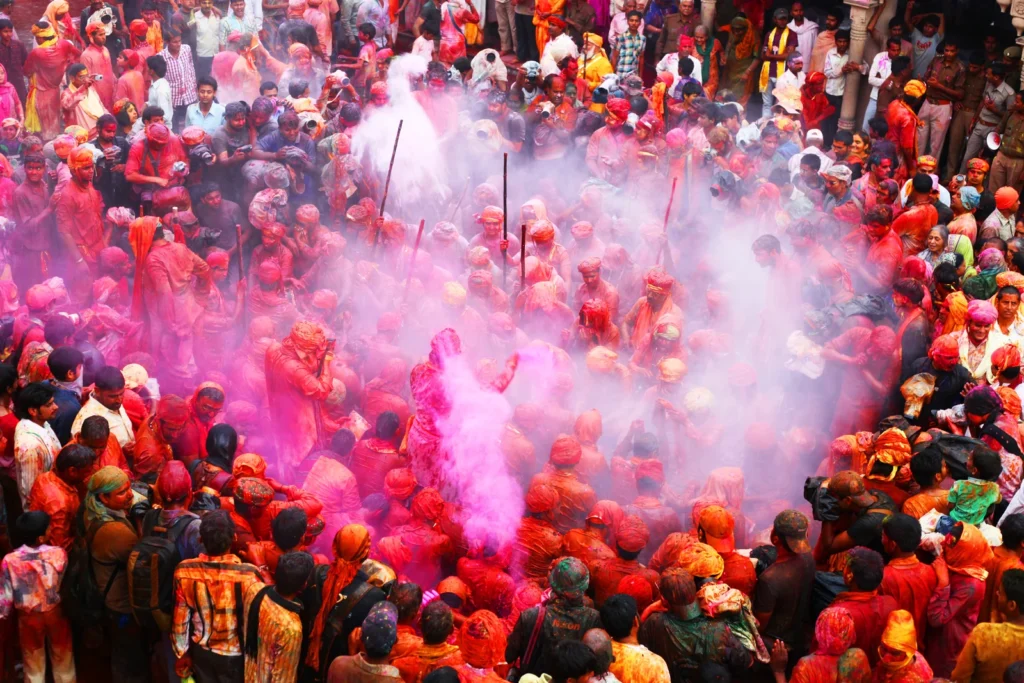
India’s people and culture cannot be understood through a single symbol, language, festival, food or monument. The country is made up of many regional societies, faith traditions, occupations, art forms, caste and community histories, urban experiences, rural practices and modern aspirations. A visitor may notice colour, hospitality, music, markets and festivals first. A resident may also recognise the quieter layers: family networks, neighbourhood life, local speech, seasonal rhythms, work habits, school rituals, public ceremonies and everyday forms of respect.
This page introduces the People and Culture section as a reading gateway. The related pages on handicrafts, music, the Taj Mahal, dance forms and colours each look at one part of a much larger cultural landscape. The purpose here is to help readers connect those pages and understand why culture in India is both old and constantly changing. It is not only preserved in museums or monuments. It lives in homes, workshops, temples, mosques, churches, gurdwaras, monasteries, schools, cinema halls, public squares, local trains, wedding halls, village fairs, stadiums and digital platforms.
Culture as lived experience
For many Indians, culture begins with daily routine. A morning may include a local language newspaper, tea at a roadside stall, school prayer, a commute, a market visit, a household ritual, a music lesson, a sports practice or a family meal. These ordinary practices often carry memories of region, community, migration and aspiration. The same family may speak one language at home, another at work, consume media in several languages and celebrate festivals associated with more than one tradition.
Urban India adds another layer. Cities bring together migrants from different states and countries. A neighbourhood in Mumbai, Delhi, Bengaluru, Hyderabad, Chennai, Kolkata, Pune or Ahmedabad may contain temples, mosques, churches, markets, technology offices, street food vendors, schools, coaching centres, apartment societies and informal settlements within a short distance. Culture in such places is not fixed; it is negotiated through shared spaces, festivals, food choices, language use, public transport and work.
Rural and small-town India should not be treated as culturally static. Many villages and towns are linked to mobile phones, remittances, government services, highways, regional television, online education and migration. Yet they often retain strong local practices around agriculture, crafts, marriage, seasonal festivals, water, forests, cattle, local deities, oral stories and community decision-making. The mix of continuity and change is central to understanding India.
Arts, craft and performance
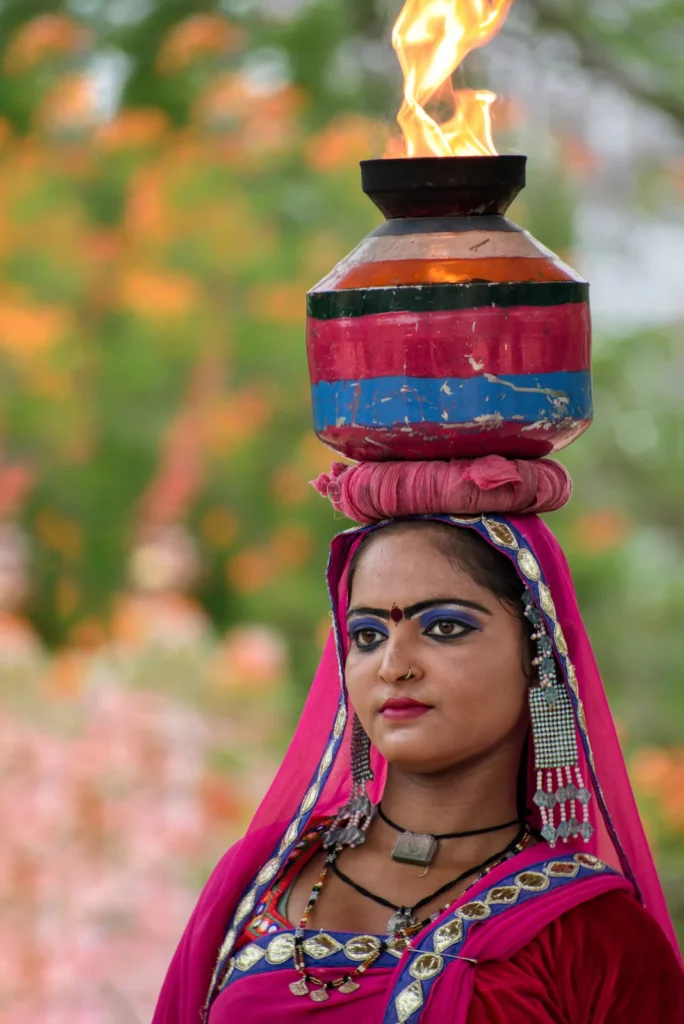
Handicrafts show how skill, material and place come together. Indian craft traditions include textiles, weaving, pottery, metalwork, woodwork, stone carving, jewellery, bamboo work, leather craft, painting traditions, embroidery, carpets, toys and ritual objects. These are not only decorative products. They are linked to local ecology, caste and community skills, trade routes, patronage, festivals, household use and modern design markets. For SMEs and cultural entrepreneurs, crafts also raise practical questions of fair wages, authenticity, quality control, packaging, digital marketing, exports and protection of traditional knowledge.
Music is equally layered. Classical traditions such as Hindustani and Carnatic music coexist with folk songs, devotional music, regional film music, independent music, tribal rhythms, qawwali, bhajan, kirtan, sufi performance, percussion traditions and contemporary fusion. Music marks weddings, harvests, religious events, public celebrations, theatre, protest, cinema and personal devotion. A reader should not assume that one genre represents the whole country. Indian music is a set of overlapping worlds, each with its own training, audiences, instruments and histories.
Dance forms bring together movement, story, costume, rhythm and discipline. Classical forms such as Bharatanatyam, Kathak, Kathakali, Odissi, Manipuri, Kuchipudi, Mohiniyattam and Sattriya are often taught through formal institutions, while folk and community dances are embedded in seasons, weddings, worship, harvests and local celebrations. The distinction between classical and folk can be useful, but it should not become a hierarchy of value. Both carry knowledge and memory.
Heritage, monuments and public memory
The Taj Mahal is one of the most recognised monuments associated with India, but it should be read as part of a wider heritage field that includes forts, temples, mosques, churches, stupas, stepwells, palaces, caves, archaeological sites, colonial-era buildings, living sacred places, museums and urban heritage precincts. Monuments attract tourism, but they also raise questions of conservation, local livelihoods, crowd management, access, interpretation and respect for shared heritage.
Public memory in India is also carried through stories, family histories, school textbooks, films, songs, local heroes and national commemorations. Different regions remember the past through different figures and events. For students and foreign readers, the most responsible approach is to recognise both shared national narratives and local histories. A single monument can be admired for architecture while also being studied for labour, patronage, empire, craft, trade, gender and the city around it.
Colour, clothing and social signals
Colour is one of the most visible features of Indian public life. It appears in clothing, festivals, wedding decorations, rangoli, shopfronts, political symbols, religious offerings, craft products, food, cinema and public art. The meaning of a colour can change by region and context. White, saffron, red, green, yellow, blue and black do not carry one universal meaning across India. A colour used in a festival may have a different association in a political rally, wedding ceremony, mourning custom, brand campaign or local ritual.
Clothing is similarly contextual. Sarees, salwar suits, lehengas, dhotis, lungis, turbans, kurta-pajamas, sherwanis, western office wear, jeans, school uniforms, work uniforms and regional garments all sit within contemporary India. Clothing may signal climate, occupation, community, gender norms, region, comfort, formality or personal choice. Foreign visitors and businesses should treat dress norms with sensitivity, especially in religious places, rural areas, formal events and government offices.
Reader note
Culture in India should be approached with curiosity and care. The same practice may be sacred for one community, ordinary for another and unfamiliar to a third. Context matters.
How businesses and visitors can engage respectfully
- Learn the local context before using cultural symbols in advertising, events or product design.
- Use local language support wherever possible, especially for public services, tourism, health, finance and retail.
- Credit artisans, performers and source communities when their work or traditions are represented.
- Plan around major festivals and regional holidays because they can affect travel, staffing, customer behaviour and supply chains.
- Avoid treating India as one cultural market. State, region, language, religion, age and urban-rural context matter.
A practical reading path
Begin with Handicrafts to understand material culture, then read Music and India Dance Forms for performance traditions. Use Taj Mahal as a gateway into built heritage, and Colours to understand symbolism in everyday life.
Readers interested in cultural practice should also move across nearby sections. Cuisine explains food as memory and social life. Languages shows how identity and communication work. Travel pages help connect culture with place, while heritage pages offer deeper historical background. The most rewarding way to read India is to move between these categories rather than keeping them separate.