
AYUSH and traditional health systems in India
At a glance
AYUSH is an official Government of India term covering Ayurveda, Yoga and Naturopathy, Unani, Siddha, Sowa Rigpa and Homoeopathy. This page explains the systems as living traditions and public institutions while keeping health claims careful and source-aware.
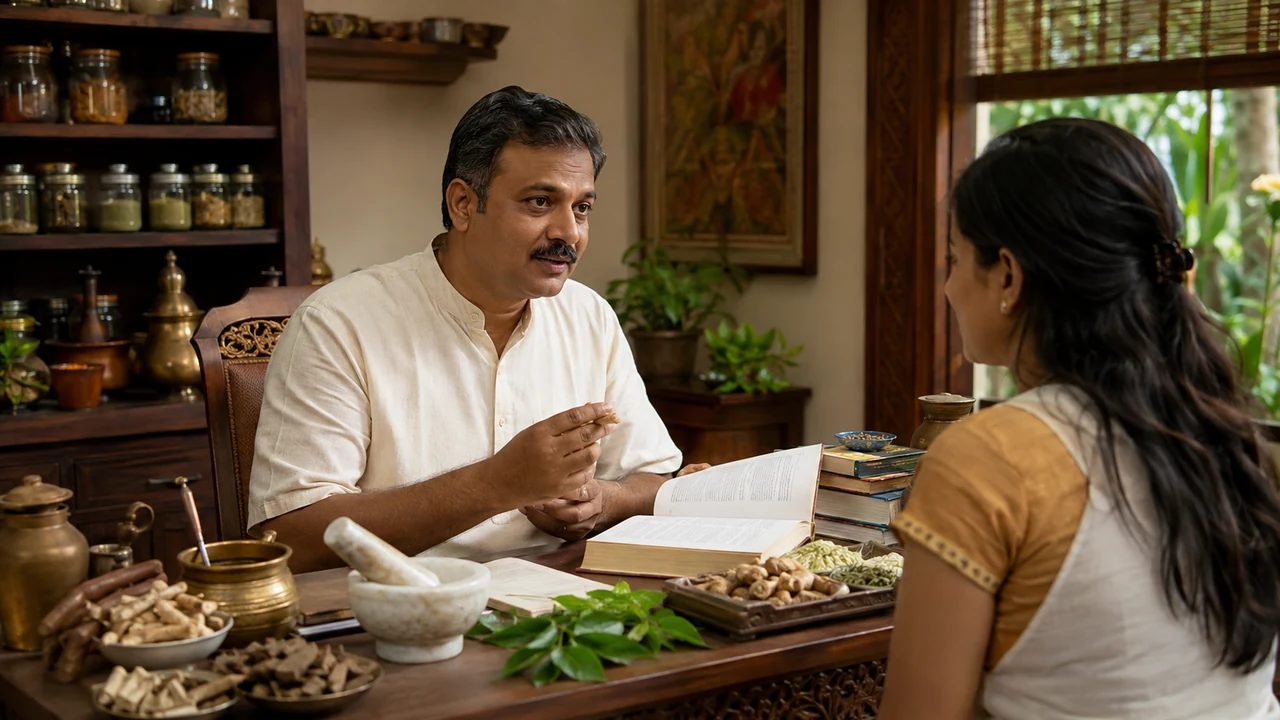
India’s traditional health landscape is diverse. Ayurveda has Sanskritic textual and regional practice lineages; Siddha is strongly associated with Tamil knowledge traditions; Unani developed through Greco-Arabic and South Asian medical exchange; Yoga and Naturopathy include lifestyle and practice-based approaches; Sowa Rigpa is linked with Himalayan and Tibetan medical traditions; Homoeopathy has a separate European origin but a large Indian presence.
The Ministry of Ayush is the central official body associated with education, research, policy and promotion for these systems. That institutional recognition should be described accurately, without implying that every remedy or claim has the same level of modern clinical evidence.
Indian context
Traditional systems in India are part of family memory, local practice, festivals, food habits, seasonal routines, public hospitals, colleges, pharmacies, wellness centres and research institutions. Many readers encounter them through household advice, yoga classes, Ayurveda products or state health facilities.
At the same time, medical pluralism needs good judgement. A cultural tradition can be meaningful while a specific treatment claim still needs evidence, diagnosis, quality control and qualified care. This distinction protects readers and respects the knowledge systems.

Key facts
| Question | Helpful answer | Reader caution |
|---|---|---|
| System | Indian context | Reader caution |
| Ayurveda | Classical and regional medical tradition | Use qualified practitioners for treatment |
| Yoga and Naturopathy | Practice, lifestyle and discipline | Do not force unsuitable techniques |
| Unani | South Asian Greco-Arabic medical lineage | Check practitioner credentials |
| Siddha | Tamil knowledge tradition | Avoid self-medication |
| Sowa Rigpa | Himalayan medical tradition | Use recognised care channels |
| Homoeopathy | Widely used in India under AYUSH | Evidence debates require careful wording |
How people commonly use it
- Recognise AYUSH as an official umbrella term, not one single therapy.
- Distinguish heritage explanation from treatment advice.
- Use official sources for institutional facts and stronger sources for medical claims.
- Avoid stopping prescribed treatment without qualified medical advice.
- Check product quality, practitioner credentials and legal status.
People commonly use AYUSH-related knowledge for preventive routines, diet and lifestyle reflection, yoga practice, seasonal self-care, chronic-condition support, wellness travel and interest in Indian heritage. Some receive care from registered practitioners in recognised systems.
For a reader, the first step is to separate general wellbeing practices from medical treatment. Gentle yoga, sleep routines or food discipline are different from taking medicines, stopping prescribed treatment or seeking disease-specific therapy.
Evidence and limits
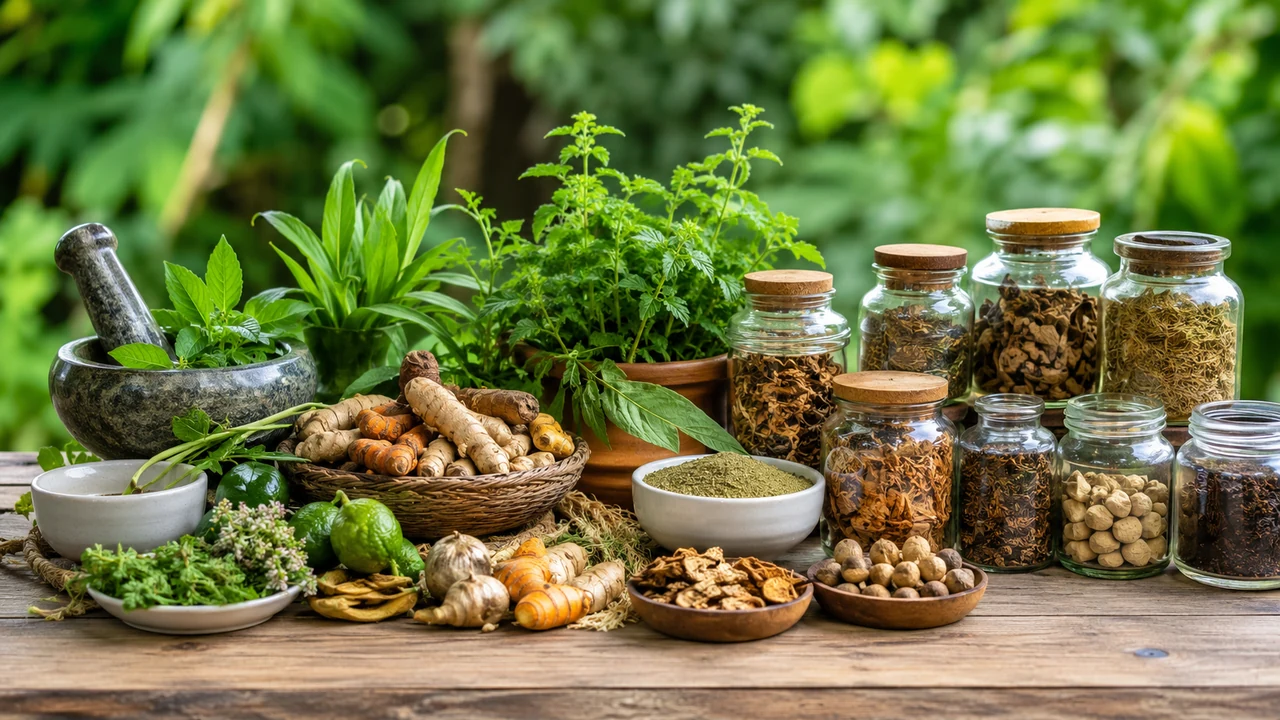
Evidence varies by system, condition, preparation and study quality. Public content should avoid promising cures, guaranteed safety or universal results. Official portals are useful for institutional scope, while clinical claims need stronger research and professional interpretation.
WHO public-health material supports the broad importance of movement and wellbeing, but it does not validate every AYUSH intervention. Source-aware writing should keep that boundary visible.
Safety and good judgement
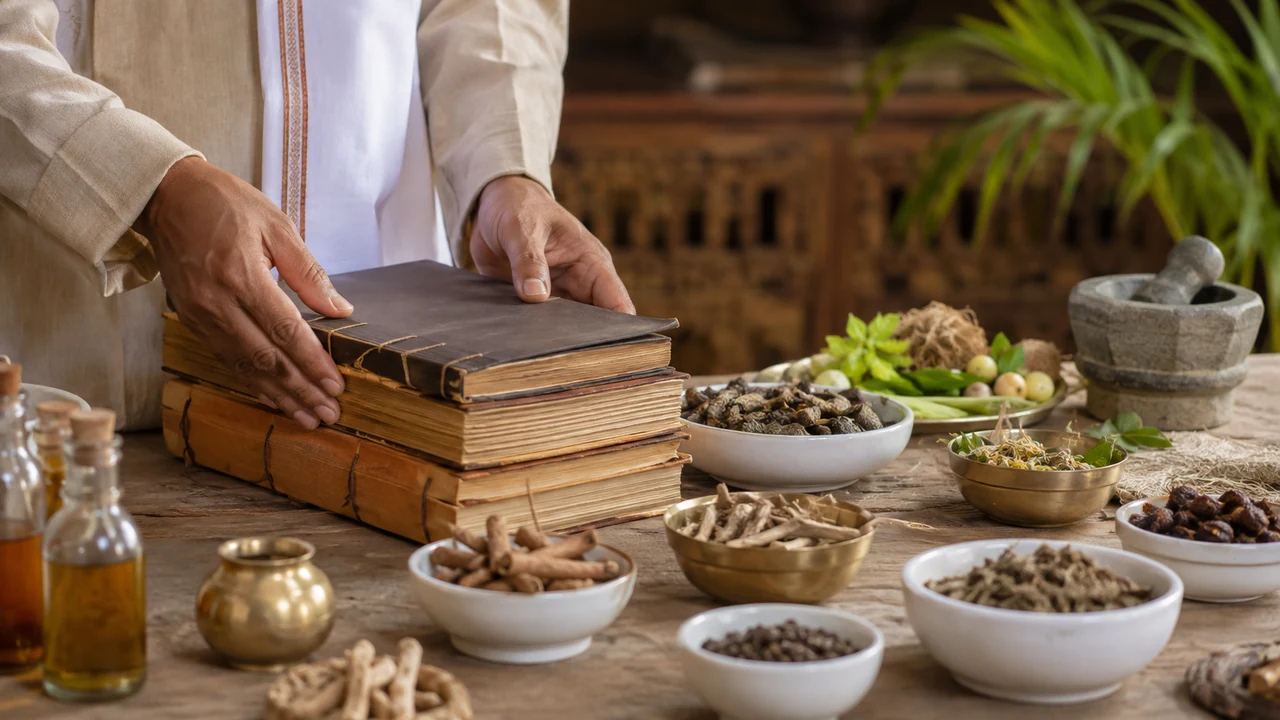
Readers with serious symptoms, pregnancy, children’s health concerns, chronic disease or multiple medicines should consult qualified healthcare professionals before using treatments.
A respectful India-centred approach can appreciate traditional knowledge while still being honest about uncertainty, research quality and the need for safe practice.
How to read AYUSH responsibly
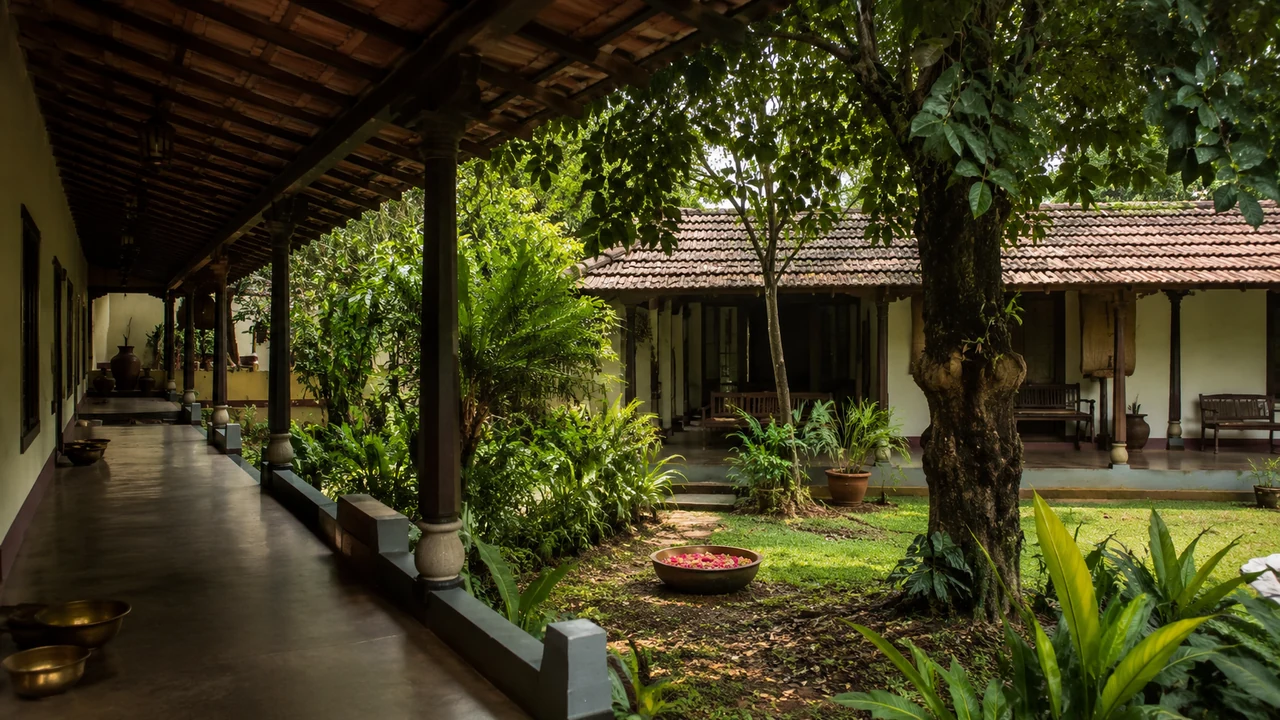
A responsible reader can hold two truths together: AYUSH systems are part of India’s living knowledge heritage, and specific health claims still require evidence, qualification and safety checks. This balanced approach avoids both dismissal and exaggeration. It respects practitioners and traditions while protecting public readers from careless promises.
The most useful public explanation separates cultural context, institutional facts and treatment claims. Cultural context can describe how families, texts, teachers and communities keep knowledge alive. Institutional facts can cite the Ministry of Ayush. Treatment claims need stronger support and should never encourage readers to delay urgent care or stop prescribed medicines without professional advice.
A respectful but careful health lens
AYUSH is an official umbrella, not a single treatment. Ayurveda, Yoga and Naturopathy, Unani, Siddha, Sowa Rigpa and Homoeopathy have different histories, training systems and evidence questions. Respecting them means describing those differences clearly rather than blending them into vague wellness language.
Readers should separate general lifestyle interest from medical treatment. Serious symptoms, children’s health, pregnancy, chronic disease, multiple medicines and emergency conditions require qualified healthcare advice. Public heritage content should not encourage self-medication or stopping prescribed care.
For Indian families, AYUSH is often encountered through everyday language: food as seasonal discipline, oil massage, home remedies, yoga classes, herbal products and visits to recognised practitioners. Public writing should help readers understand this landscape without encouraging casual self-treatment. The distinction is simple: cultural familiarity may guide curiosity, but diagnosis and treatment need qualified care.
Businesses, students and international readers also need clarity. AYUSH includes education, research, manufacturing, tourism and public-health institutions, but each area has its own rules. A product label, a retreat brochure and a clinical consultation should not be treated as the same kind of evidence.
Sources and editorial note
AYUSH system names and institutional framing were checked against Ministry of Ayush sources. Health claims were kept cautious and non-prescriptive. Reviewed on 4 August 2026.