
Himalayas at a glance
The Himalayas are the great mountain system north of the Indian plains, shaping climate, rivers, biodiversity, livelihoods and travel across northern and north-eastern India. For visitors, they are best understood as a living region, not only a scenic backdrop: fragile slopes, sacred places, working villages, protected forests and fast-changing weather all sit close together.
The Himalayas separate the Indian subcontinent from the Tibetan Plateau and run across several countries in South Asia. In India, the Himalayan experience stretches from the cold desert landscapes of Ladakh to the forests and tea-growing foothills of the eastern Himalayas. The United States Geological Survey describes the wider range as more than 2,900 kilometres long and made up of three broadly parallel mountain ranges, a useful way to understand why the landscape changes so quickly from foothills to high snow country.
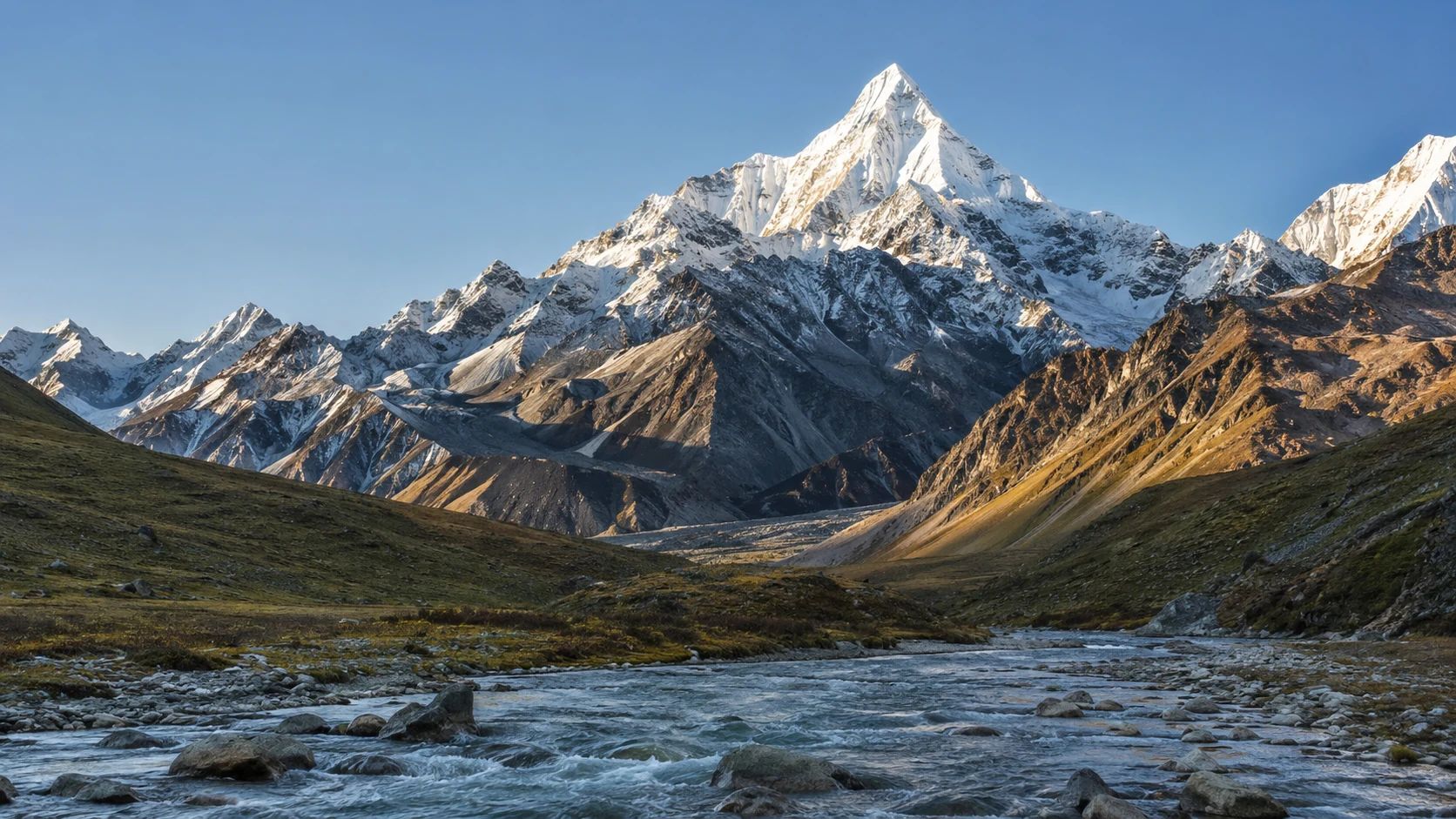
This page focuses on the Indian Himalayan context for general readers, students, travellers and businesses. It keeps the wonder of the old page, but replaces exaggerated language with practical, source-backed guidance.
Why the Himalayas matter to India
The Himalayas matter because they influence far more than tourism. They help shape the monsoon, store snow and ice, feed major river systems, support forests and agriculture, and provide cultural homes for many communities. The National Mission on Himalayan Studies, implemented through India’s Ministry of Environment, Forest and Climate Change framework, describes the Indian Himalayan Region as covering over 0.53 million square kilometres, nearly 17% of India’s geographical area.
For downstream India, Himalayan rivers are central to drinking water, irrigation, hydropower and religious life. For mountain residents, the region is a place of farms, orchards, pastoral routes, small businesses, monasteries, temples, local markets, schools and public services. A responsible guide should therefore treat the Himalayas as both a destination and a lived landscape.
- Ecological value: forests, alpine meadows, wetlands, glaciers and river catchments support rare plants and animals.
- Cultural value: Hindu, Buddhist, Sikh, tribal and local traditions have shaped routes, festivals, architecture and foodways.
- Economic value: tourism, horticulture, hydropower, handloom, herbs and small trade provide livelihoods, but also need careful management.
- National value: mountain ecosystems affect water security and disaster risk far beyond the hill states.
Main regions and landscape character
The Indian Himalayas are not one uniform place. Western areas such as Ladakh, Jammu and Kashmir, Himachal Pradesh and Uttarakhand include high passes, cold deserts, pilgrimage routes, ski slopes, trekking valleys and major river origins. The central and eastern Himalayan areas, including Sikkim, parts of West Bengal and the north-eastern hill states, are generally wetter, greener and richer in subtropical, temperate and alpine habitats.
| Region or theme | What readers should know |
|---|---|
| High mountains and passes | Thin air, snow, landslides and road closures can affect travel even in popular areas. |
| Foothills and valleys | Many towns, farms and river corridors sit here, so tourism pressure is closely linked to local life. |
| Forests and meadows | The Great Himalayan National Park Conservation Area shows how riverine forests, alpine meadows and high peaks can be protected together. |
| River systems | Snowmelt, rainfall and glaciers contribute to river flow, but patterns vary by basin, season and climate conditions. |
| Border and protected areas | Some routes require permits, local guides or conservation permissions; rules should be checked before travel. |
UNESCO’s World Heritage listing for the Great Himalayan National Park Conservation Area in Himachal Pradesh is a strong example of Himalayan conservation. UNESCO records the 90,540-hectare property as including high alpine peaks, alpine meadows, riverine forests and snowmelt sources important to downstream users. It also notes 25 forest types and habitats for threatened species.
Travel, culture and responsible experiences
The Himalayas invite many kinds of travel: family hill-station holidays, treks, rafting, winter sports, birdwatching, monastery visits, yoga retreats, pilgrimage, photography and slow village stays. Rishikesh is widely known for yoga and river-based activities, Ladakh for high-altitude landscapes and Buddhist monasteries, Himachal Pradesh for valleys and treks, Uttarakhand for pilgrimage routes, and Sikkim for mountain views and biodiversity.
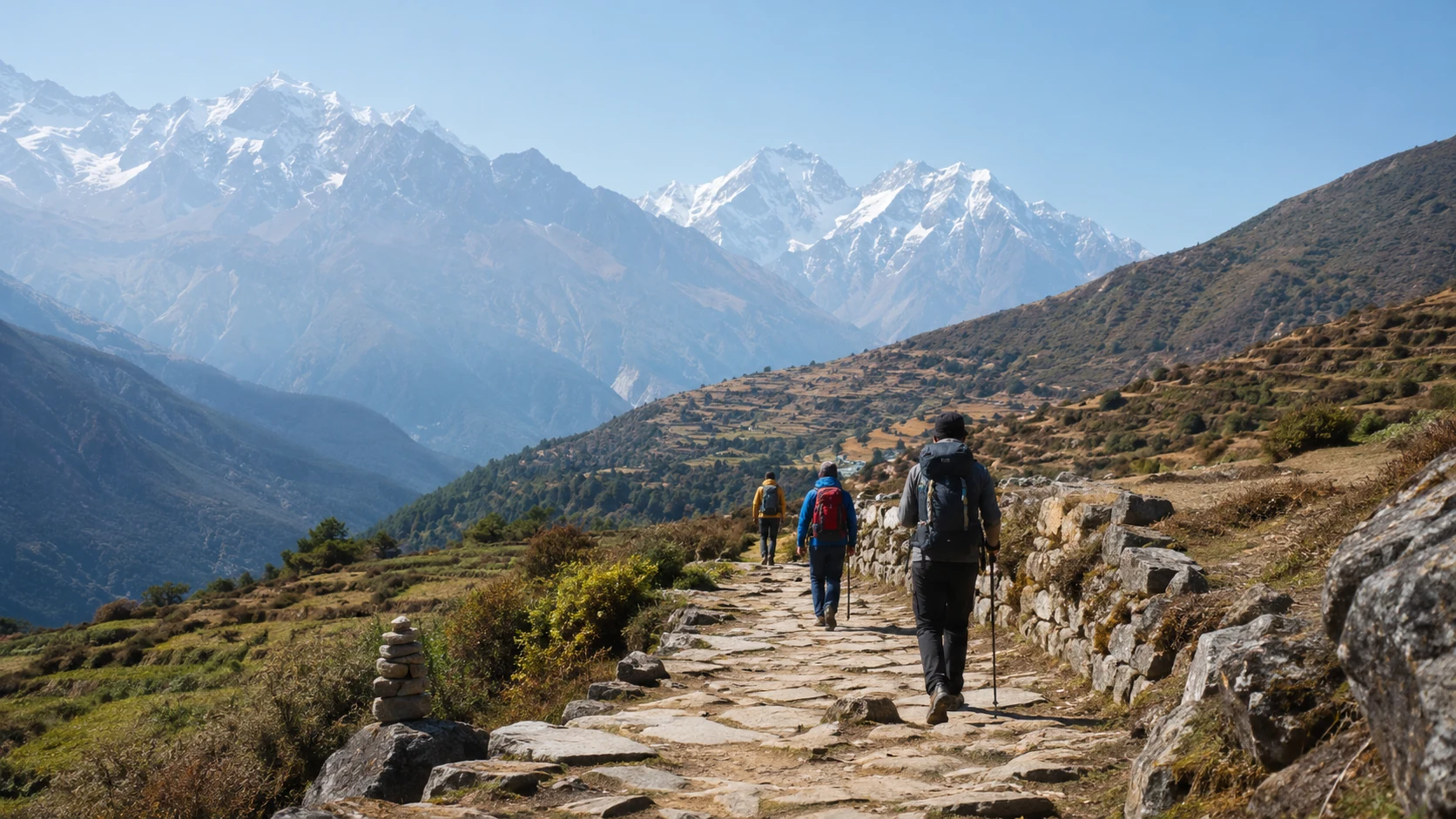
A good Himalayan trip is planned around distance, altitude and season, not only a list of famous names. Mountain roads can be slow. Weather may change within hours. Mobile connectivity can be patchy. In remote areas, travellers should carry medicines, warm layers, water, identity documents and enough buffer time. Businesses and tour operators should build itineraries that respect local carrying capacity and avoid risky promises during monsoon or winter closures.
If you are travelling to a high-altitude area, ascend gradually, listen to local advisories, avoid riverbanks during heavy rain, and do not treat social-media routes as safety guidance. Local administration, weather bulletins and registered operators are better sources than viral posts.
Biodiversity, climate and cautions
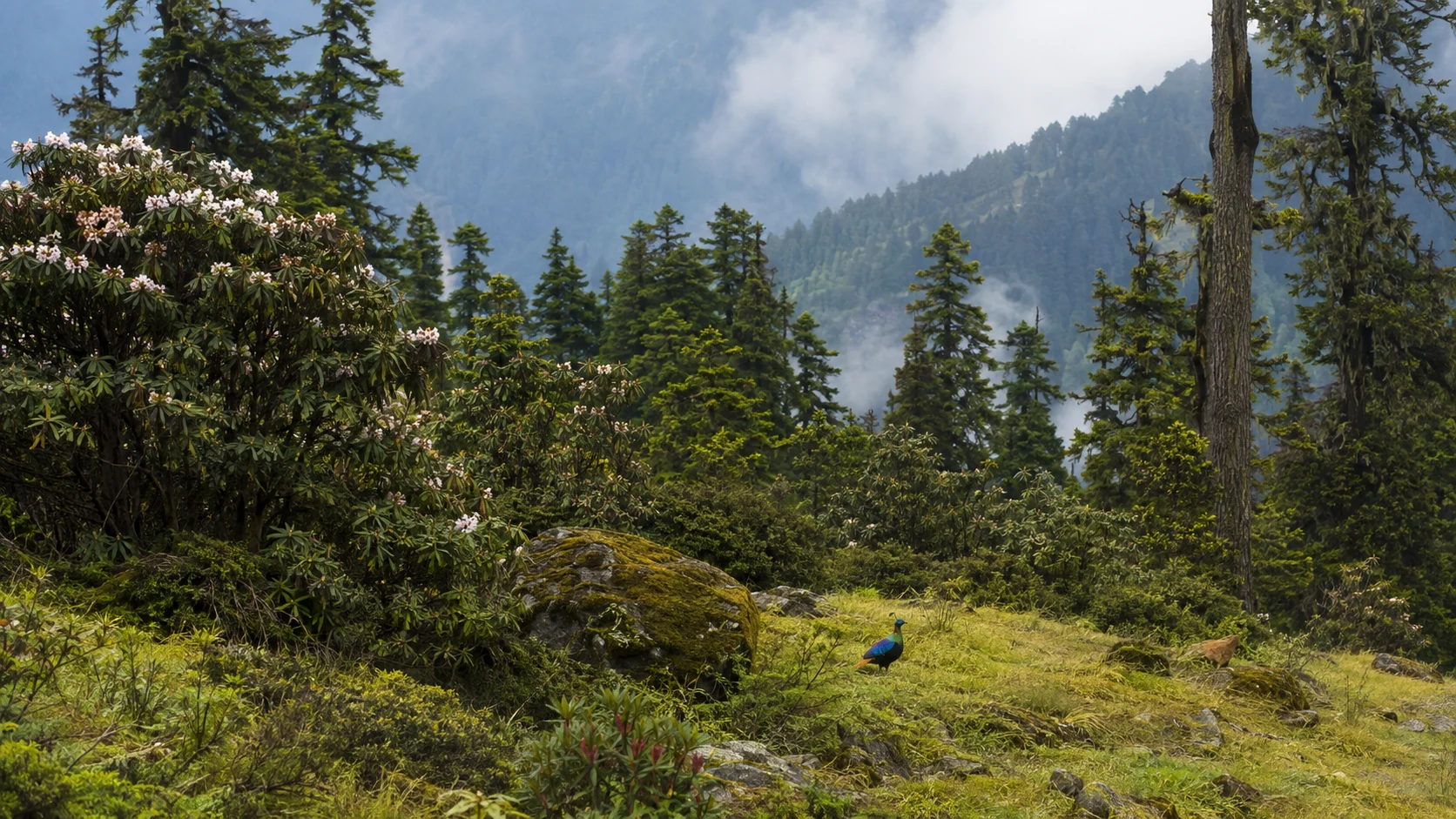
The Himalayas are one of the world’s most important mountain biodiversity regions. Forests change with elevation: subtropical vegetation gives way to temperate broadleaf and conifer forests, then alpine meadows and snow zones. Species associated with the broader Himalayan landscape include snow leopard, red panda, musk deer, Himalayan monal and many medicinal plants, although exact species presence depends on the state, altitude and habitat.
Climate change is a serious concern. The IPCC’s 2022 assessment on mountains reports widespread cryosphere change, including glacier, snow and permafrost changes, with consequences for water, hazards and ecosystems. The 2023 ICIMOD assessment of the Hindu Kush Himalaya similarly warns that changes in snow and ice affect water availability, biodiversity and communities across the region.
Natural hazards are part of Himalayan reality. Landslides, flash floods, cloudbursts, avalanches, earthquakes, forest fires and blocked roads can affect residents and visitors. Risk increases when construction, deforestation, traffic pressure or careless waste disposal disturb slopes and streams. The practical response is not to avoid the Himalayas completely, but to travel, build and invest with better evidence, local consultation and respect for ecological limits.
Best time to visit and practical planning
There is no single best season for the entire Himalayas. Spring can bring flowers and moderate temperatures in many valleys. Summer is useful for higher routes that remain snowbound in winter. The monsoon months can be beautiful but risky in landslide-prone areas, especially in Uttarakhand, Himachal Pradesh, Sikkim and parts of the north-east. Autumn often offers clearer views after the rains. Winter suits snow activities in selected destinations, but also brings closures and severe cold.
- Check the latest weather, road and permit information before departure, especially from June to September and during heavy snowfall periods.
- Choose registered guides for treks, rafting, skiing and remote routes.
- Avoid littering, loud behaviour at sacred sites, off-trail driving and disturbance to wildlife.
- Carry cash where digital payments may fail, but use local services fairly and transparently.
- Build extra travel days into the plan; in the mountains, delays are normal, not exceptional.
Frequently asked questions
Are the Himalayas only for adventure travellers?
Which Indian states and territories are part of the Himalayan experience?
Is it safe to travel during the monsoon?
Why is Himalayan conservation important for people outside the mountains?
Related India.co.in pages
For more destination context on India.co.in, start with the parent travel section below and compare Himalayan places with other notable destinations before planning a route.