
Cultural Events in India: Festivals, Performances and Public Life
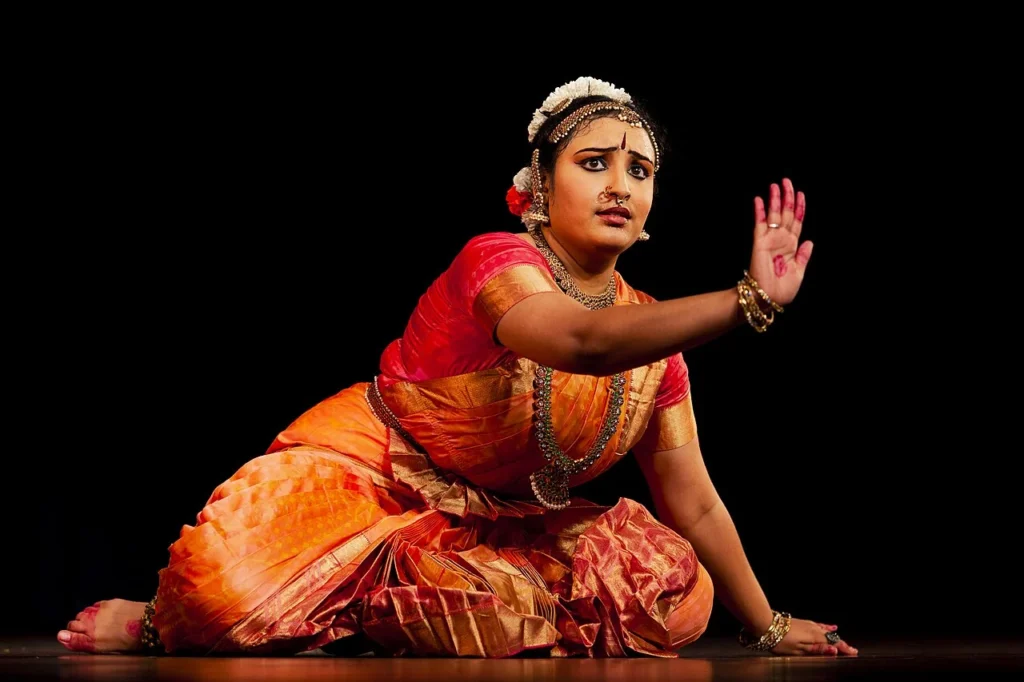
Cultural events in India are much more than entertainment dates on a calendar. They include seasonal festivals, local fairs, harvest celebrations, pilgrimage gatherings, temple and monastery events, classical dance and music festivals, Sufi and folk gatherings, craft melas, food events, literary festivals, regional New Year observances and neighbourhood ceremonies. Some are intimate and local. Some attract national attention. Some draw international visitors. Together, they show how India’s diversity becomes visible in public life.
The Cultural Events section on India.co.in connects readers to Events and Festivals, Festivals and Kumbh Mela. The parent page should explain how these topics fit together. A reader may come here as a student writing an assignment, a family planning travel, an SME planning seasonal promotions, a foreign visitor trying to understand etiquette, or a researcher studying Indian public culture. Each reader needs clear context: what kinds of events exist, why dates vary, how people participate, and how to engage respectfully.
Types of cultural events
India’s cultural calendar is shaped by religion, region, agriculture, language, climate, historical memory, local patronage and modern institutions. A festival may mark a season, a deity, a harvest, a saint, a historic event, a community identity or a regional New Year. A performance festival may preserve a classical form such as Bharatanatyam, Kathak, Odissi, Carnatic music or Hindustani music. A craft mela may bring together weavers, potters, metalworkers, painters and designers. A literary or food festival may be modern in format but still draw on older regional identities.
Many events are not uniform across India. Diwali, Navratri, Eid, Christmas, Baisakhi, Pongal, Onam, Bihu, Durga Puja, Ganesh Chaturthi, Muharram observances, Buddha Purnima, Guru Nanak Jayanti and regional New Year celebrations are experienced differently across states and communities. Even within the same festival, food, music, clothing, rituals, public processions and local holidays may vary. This variation is not a problem to be solved; it is one of the main features of Indian cultural life.
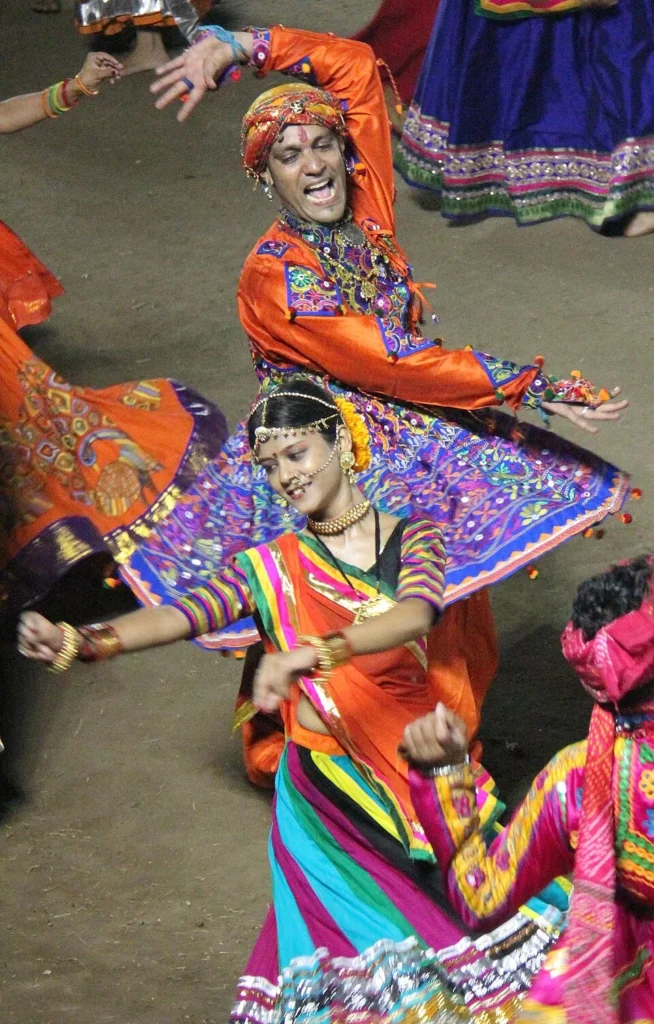
Why cultural events matter
| Dimension | Why it matters |
|---|---|
| Community | Events bring people together through shared meals, worship, music, volunteering, neighbourhood decoration and public participation. |
| Economy | Festivals support artisans, vendors, transport, hospitality, decorators, performers, caterers, printers and digital businesses. |
| Learning | Students learn about history, language, costume, geography, music, food and social organisation through real events. |
| Tourism | Visitors experience regional identity, but they also need guidance on crowds, etiquette, bookings, weather and safety. |
| Continuity | Cultural events transmit skills, songs, stories, recipes, craft methods and community memory across generations. |
Kumbh Mela and large public gatherings
Kumbh Mela is among the best-known examples of a large Indian cultural and pilgrimage gathering. It brings together faith, ritual bathing, temporary urban organisation, security, sanitation, transport, public administration, volunteer networks, religious communities and visitors. Readers should understand such gatherings not only as spectacles, but as complex civic and cultural events requiring planning and cooperation. Crowd management, health advisories, weather, transport updates and official instructions are essential for safe participation.
Large events also show how traditional practice and modern infrastructure meet. A pilgrimage may depend on trains, mobile phones, digital payments, public announcements, health camps and police coordination. A performance festival may use online ticketing and social media while preserving classical training. A craft fair may combine village skills with urban consumers and export opportunities. Cultural continuity often survives by adapting to new formats.
For businesses and SMEs
Cultural events are important for Indian businesses, especially local operators. Retailers plan inventory around festivals. Restaurants and caterers adjust menus. Travel businesses plan packages. Designers and artisans prepare seasonal collections. Digital marketers create campaigns. Event managers coordinate permissions, venues, sound, waste, transport and safety. The opportunity is real, but respectful communication matters. A campaign should not misuse sacred symbols, stereotype communities or reduce a festival to a discount slogan.
SMEs should also plan operationally. Festival periods may affect delivery schedules, staffing, local traffic, cash flow and customer service hours. Businesses working with artisans should pay fairly and credit the craft context. Tourism businesses should avoid overpromising access to crowded or restricted events. International companies should check public holiday calendars, local sensitivities and language choices before releasing festival messages.
For visitors and foreign institutions
Visitors should prepare before attending major events. Check dates from reliable sources because many festivals follow lunar or regional calendars. Dress modestly in sacred spaces. Ask before photographing people. Follow local restrictions on footwear, food, smoking, drones, alcohol, entry routes and gender-specific areas where applicable. Keep emergency contacts, water, medication and identification ready during large gatherings. Respect that some ceremonies are devotional, not performances staged for visitors.
Foreign institutions, universities and researchers should avoid treating cultural events as simple symbols of exotic India. A thoughtful approach asks who organises the event, who participates, what language is used, what local economy surrounds it, how women and children participate, how public authorities manage it, and how the event has changed over time.
A practical reading path
- Use Events and Festivals for a broad view of seasonal and regional celebrations.
- Use Festivals for festival-specific customs, dates, foods and participation patterns.
- Use Kumbh Mela for large pilgrimage-gathering context and public planning considerations.
- Return to the Heritage parent page to connect cultural events with Yoga, health traditions and national observances.
Cultural events also help readers understand India’s regional calendar. A city may feel completely different during a major festival: markets stay open late, public transport becomes crowded, hotels fill quickly, schools change schedules, and neighbourhood associations organise stages, lighting or processions. Smaller events matter too. A village fair, a district craft market or a temple music programme may not appear in national headlines, but it can be central to local identity and livelihoods. Readers planning travel, research, business activity or photography should therefore look beyond famous events and learn how the local community understands the occasion.