
International Day of Yoga
At a glance
International Day of Yoga is observed on 21 June each year after the United Nations General Assembly proclaimed the day in December 2014. In 2026, the UN described the 12th observance with the theme Yoga for Healthy Ageing.
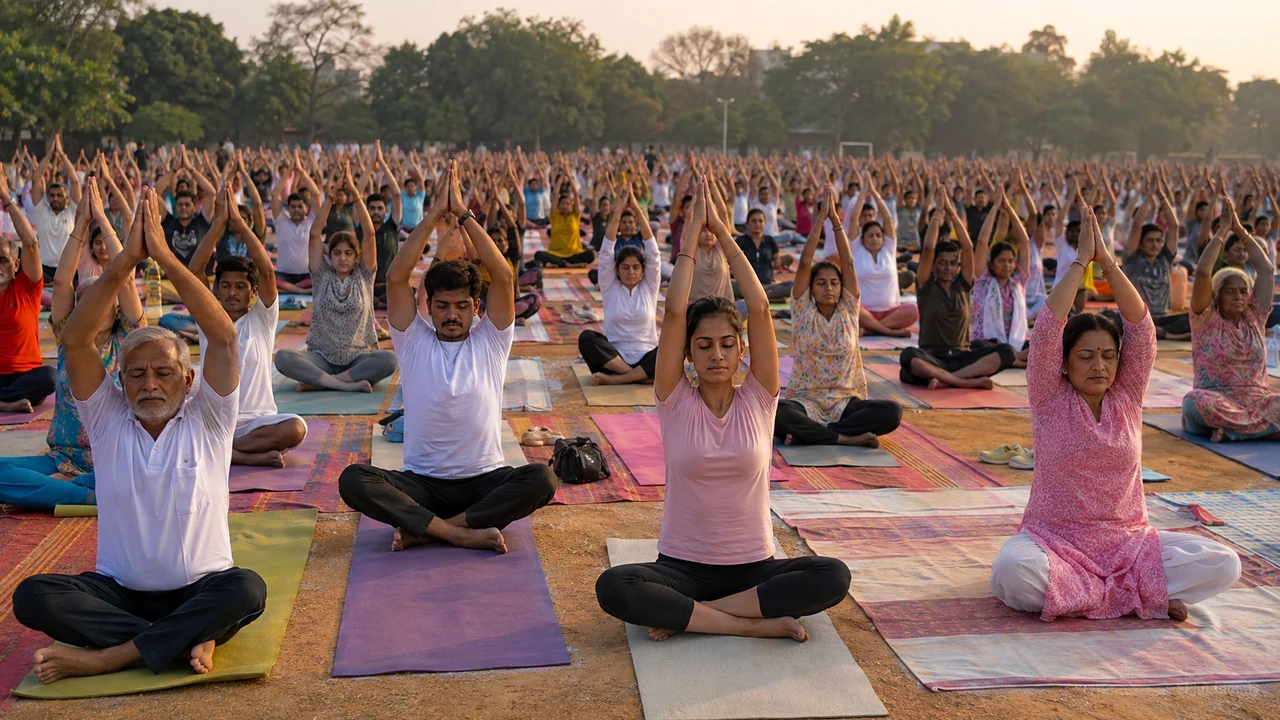
The day has a special Indian connection because yoga originated in India and has travelled across the world through teachers, texts, institutions, migration and public practice. The observance is not simply a mass exercise event; it is a cultural moment that introduces many people to yoga’s wider ideas of balance, discipline and wellbeing.
India’s public celebrations often use the Common Yoga Protocol, a structured sequence prepared for broad participation. The protocol is meant for awareness and community practice, not for proving that every posture suits every person.
Indian context
Yoga Day matters because it gives a shared calendar moment to schools, embassies, community groups, workplaces, public parks and cultural institutions. It also invites readers to ask what gets preserved when a tradition becomes global.
For India.co.in readers, the useful lens is both appreciative and careful: celebrate India’s contribution while avoiding exaggerated claims about guaranteed health outcomes.
Key facts
| Question | Helpful answer | Reader caution |
|---|---|---|
| Fact | Source-aware answer | Why it matters |
| Annual date | 21 June | Gives a stable public observance |
| UN action | Proclaimed by UN General Assembly in 2014 | Shows international recognition |
| Indian connection | Yoga originated in India | Centres the tradition respectfully |
| 2026 theme | Yoga for Healthy Ageing | A current theme, reviewed 4 August 2026 |
How people commonly use it
- Join beginner-friendly sessions rather than advanced demonstrations.
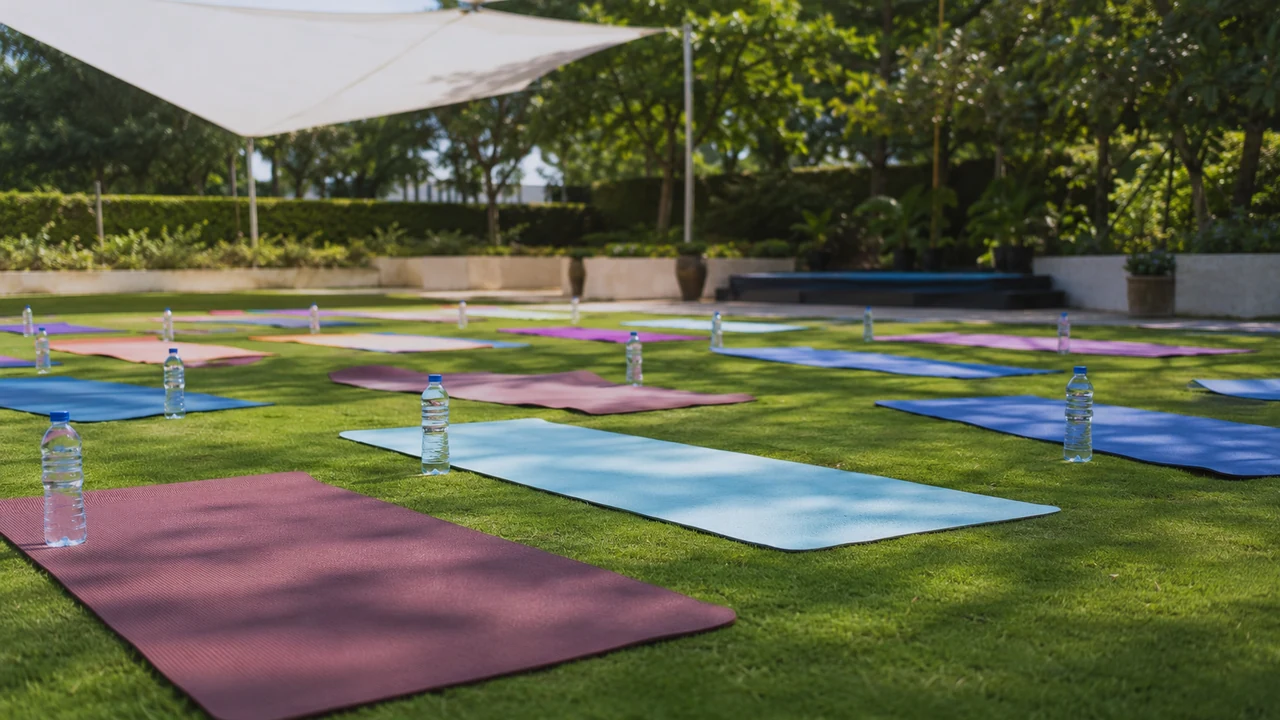
- Carry water, use shade and respect weather conditions.
- Treat the Common Yoga Protocol as a general sequence, not a personal prescription.
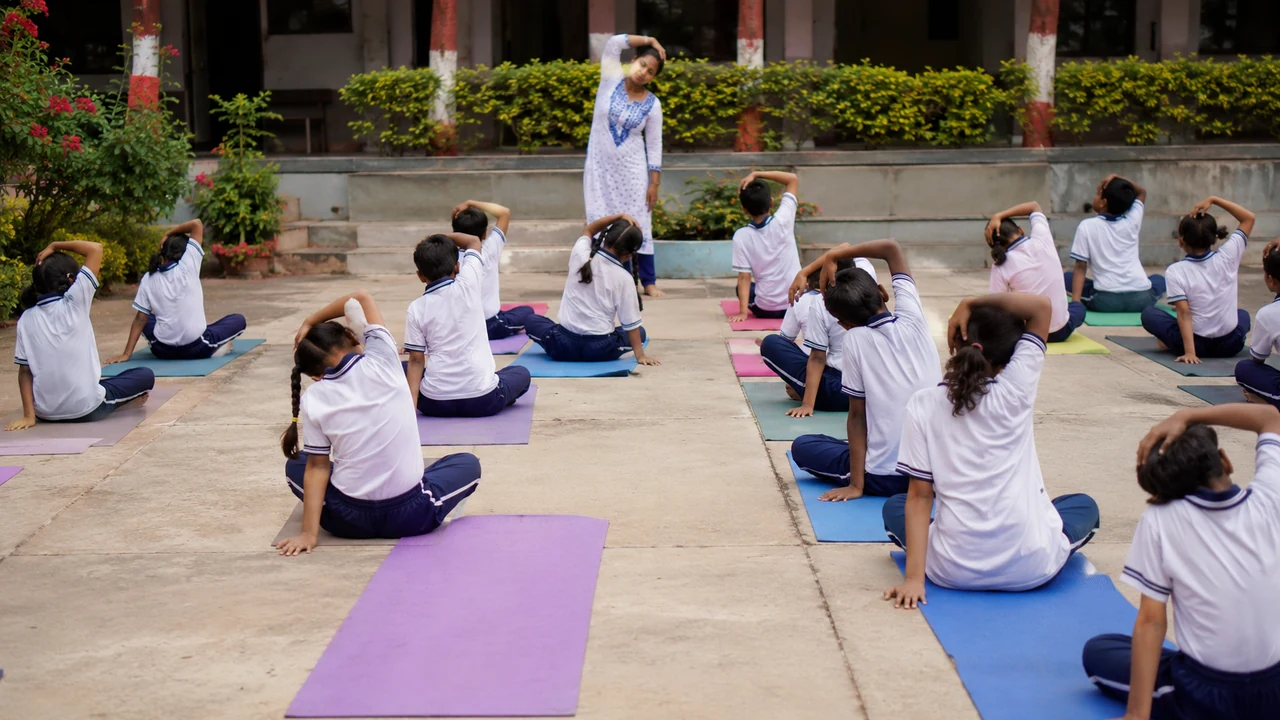
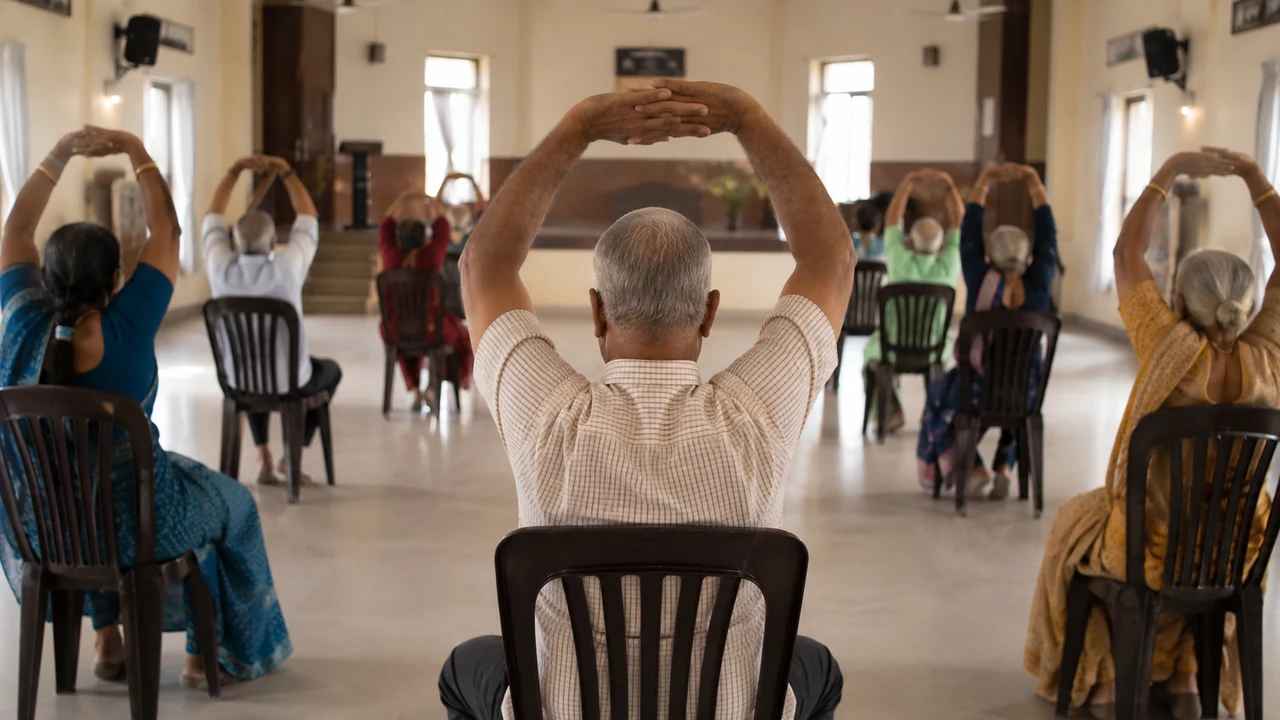
- Include elders, children and differently abled participants through adaptations.
- Use the day to begin regular learning rather than perform once and stop.
People commonly participate through group sessions, demonstrations, lectures, school activities, embassy events, online classes and neighbourhood practices. Some join for cultural pride, some for health motivation, some for community, and some for curiosity about Indian knowledge systems.
A good Yoga Day event is accessible. It should include warm-up, simple options, rest, hydration, shade where needed, and permission to skip unsuitable postures. Public events should not become competitions over flexibility or numbers.
Evidence and limits
The UN source confirms the global observance and its date. The Ministry-linked Common Yoga Protocol gives a practical sequence used for public awareness. Medical benefit claims, however, should still be made modestly and with separate evidence.
Yoga Day can inspire regular practice, but one annual event cannot substitute for steady learning, individual adaptation and qualified guidance when health conditions are involved.
Safety and good judgement
People with health concerns should adapt practice and consult qualified professionals where needed. Organisers should plan for safety, crowd control, accessible space and clear instructions.
The strongest message is simple: yoga can be shared widely when taught with humility, cultural respect and practical care.
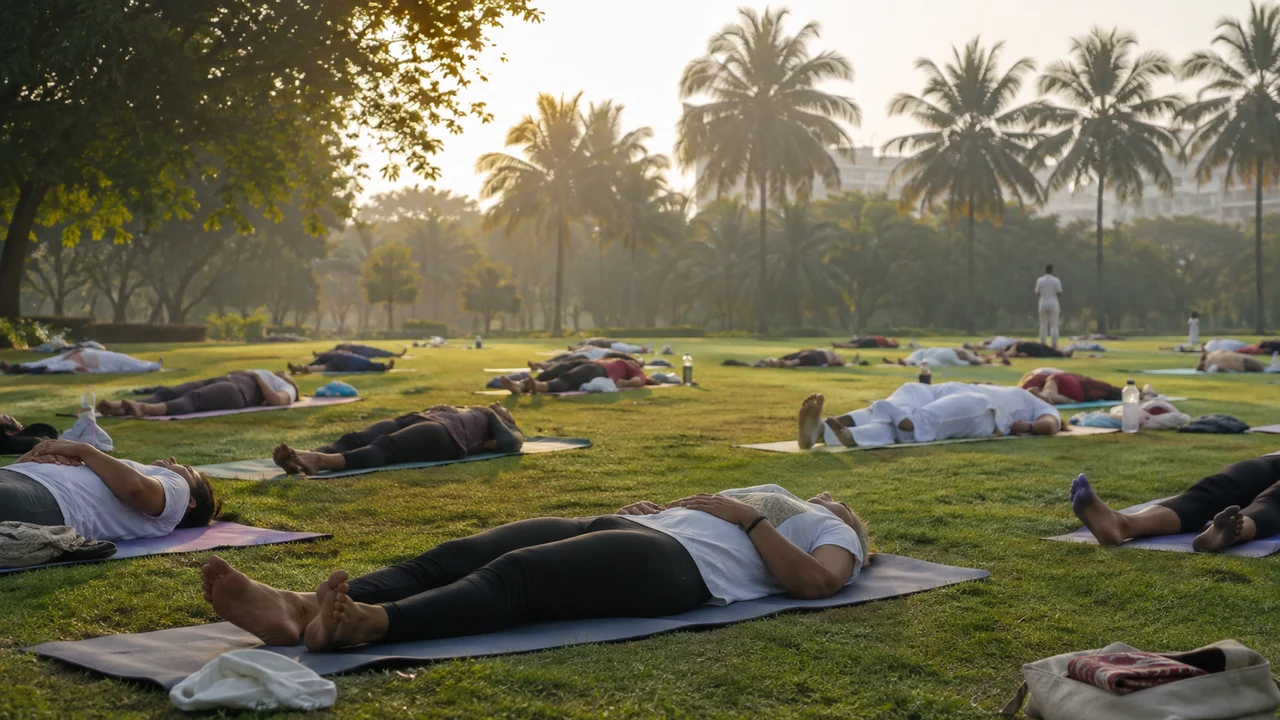
What the observance can teach
International Day of Yoga is powerful because it turns a personal discipline into a shared civic and global moment. A school child, a senior citizen, an embassy participant and an office worker may all meet yoga on the same date, but each needs a different doorway into practice. That is why the day should be inclusive rather than spectacular.
The observance also asks India to communicate yoga with care. Pride is natural because yoga has Indian roots and global reach. The better form of pride is accurate, generous and disciplined: explain the tradition, welcome beginners, avoid false medical promises and encourage regular learning beyond 21 June.
Celebration with care
International Day of Yoga works best when it welcomes many bodies and experience levels. Public sessions should include warm-up, shade or ventilation, water access, rest options and clear permission to skip unsuitable movements. A large event should not turn yoga into a contest of flexibility, numbers or display.
The 21 June observance can introduce people to yoga, but one annual session cannot replace regular learning. Readers should treat the day as a doorway into steady practice, cultural respect and better awareness of India’s contribution to the world.