
Who is fit for yoga?
At a glance
Most people can begin some form of yoga when it is taught safely, adapted to the person and approached without competition. Fitness for yoga is not about flexibility; it is about matching practice to age, health, mobility, purpose and guidance.
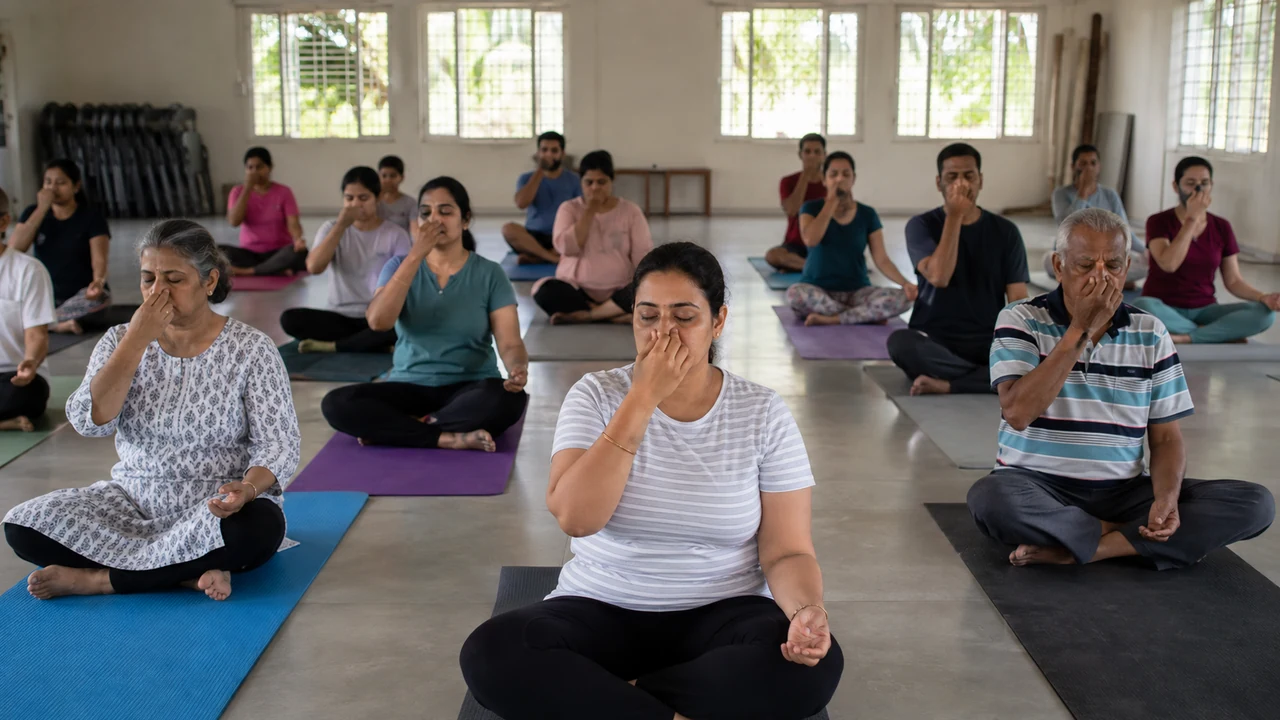
Yoga in the Indian tradition is broader than exercise. It includes disciplined living, breath awareness, attention, postures, ethics and meditative practice. For modern beginners, the practical question is not whether every person should do every posture, but which form of practice is appropriate.
A school student, office worker, senior citizen, sportsperson, homemaker or traveller may all approach yoga differently. The Ministry of AYUSH Common Yoga Protocol presents yoga as a general awareness practice and includes simple preparatory movements, asanas, breathing and relaxation, but it also points to the need for care.
Indian context
Indian context matters because yoga is a living knowledge tradition, not a race to perform advanced shapes. Classical yoga gives importance to steadiness, restraint, observation and inner discipline. Contemporary classes often begin with posture because it is visible and teachable, but the deeper approach values gradual practice.
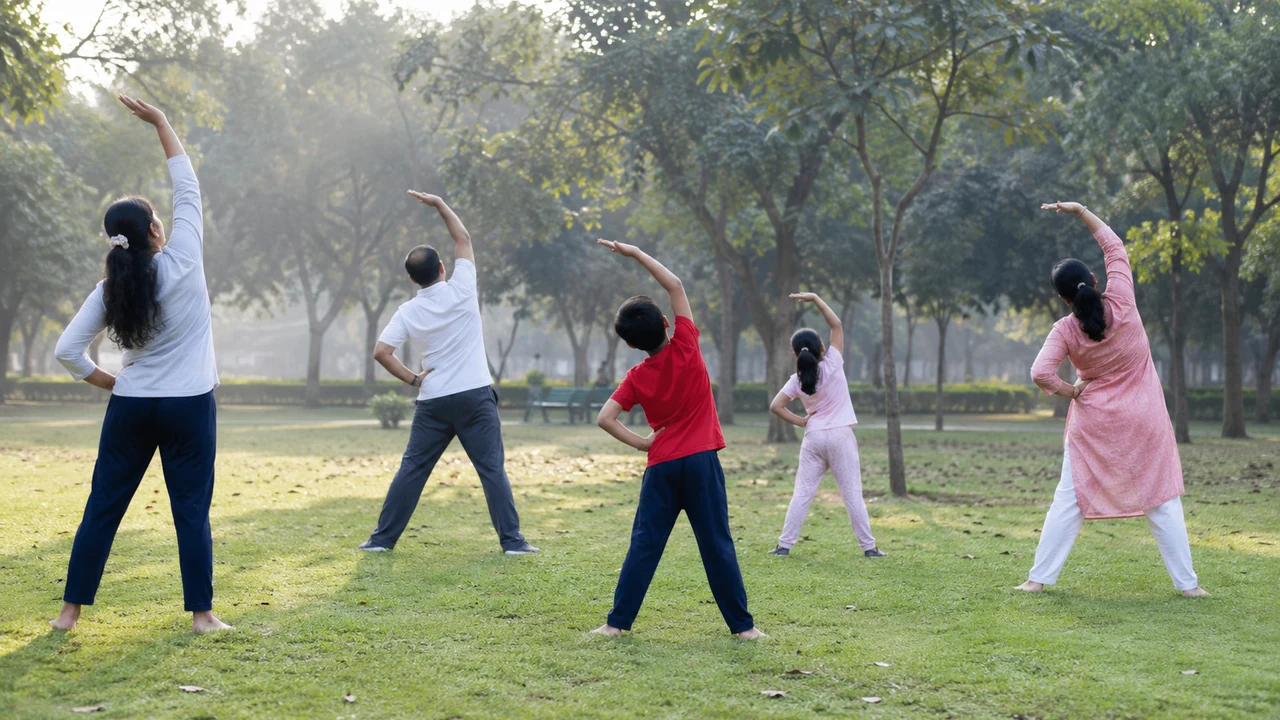
In India, yoga is practised in homes, schools, parks, institutions, ashrams, studios and public events. This wide presence should not erase individual differences. A safe teacher adapts rather than forcing one model on every body.
Key facts
| Question | Helpful answer | Reader caution |
|---|---|---|
| Can anyone start? | Many people can start a suitable form | Adapt for age, health and mobility |
| Is flexibility required? | No. Flexibility may improve gradually | Avoid painful stretching |
| Who needs advice first? | People with illness, pregnancy, injury or severe pain | Consult a qualified professional |
| What is a good first aim? | Regular, comfortable practice | Do not chase advanced postures |
How people commonly use it
- Choose a beginner class that allows modifications.
- Tell the teacher about pain, pregnancy, surgery, dizziness or major health conditions.
- Prefer steady breathing and comfort over dramatic range of motion.
- Stop if there is sharp pain, faintness, chest discomfort or unusual breathlessness.
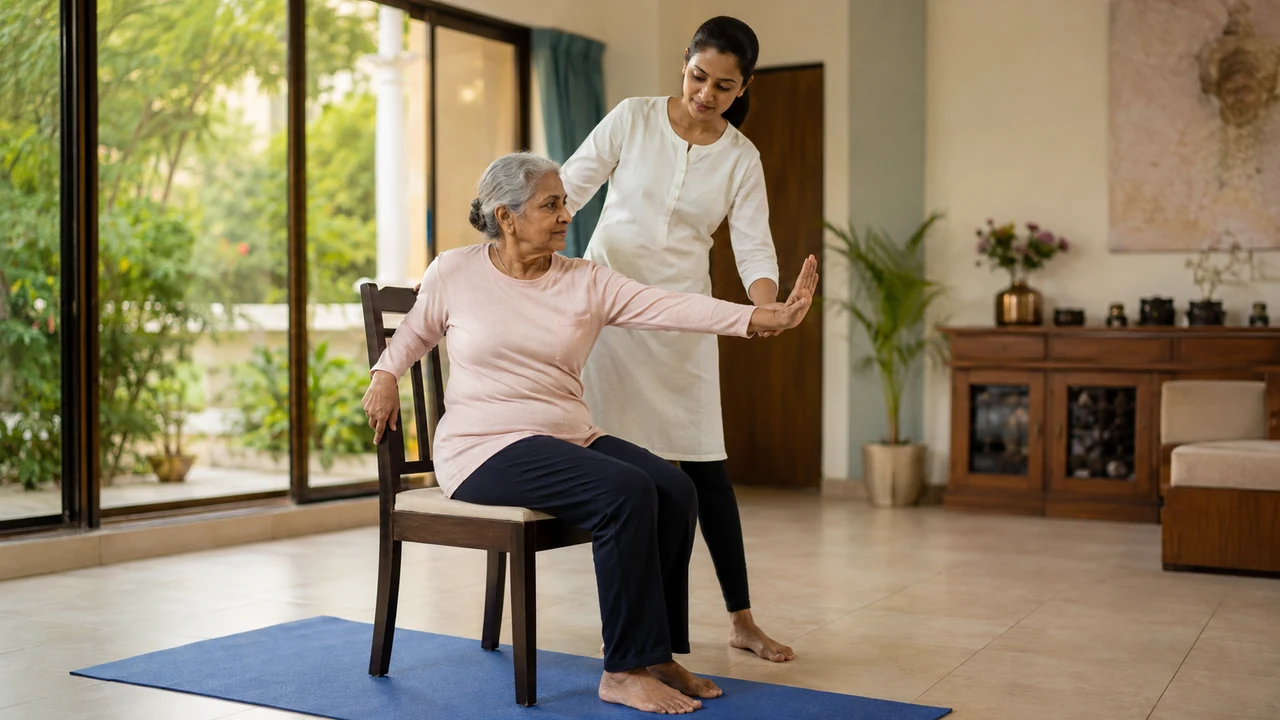
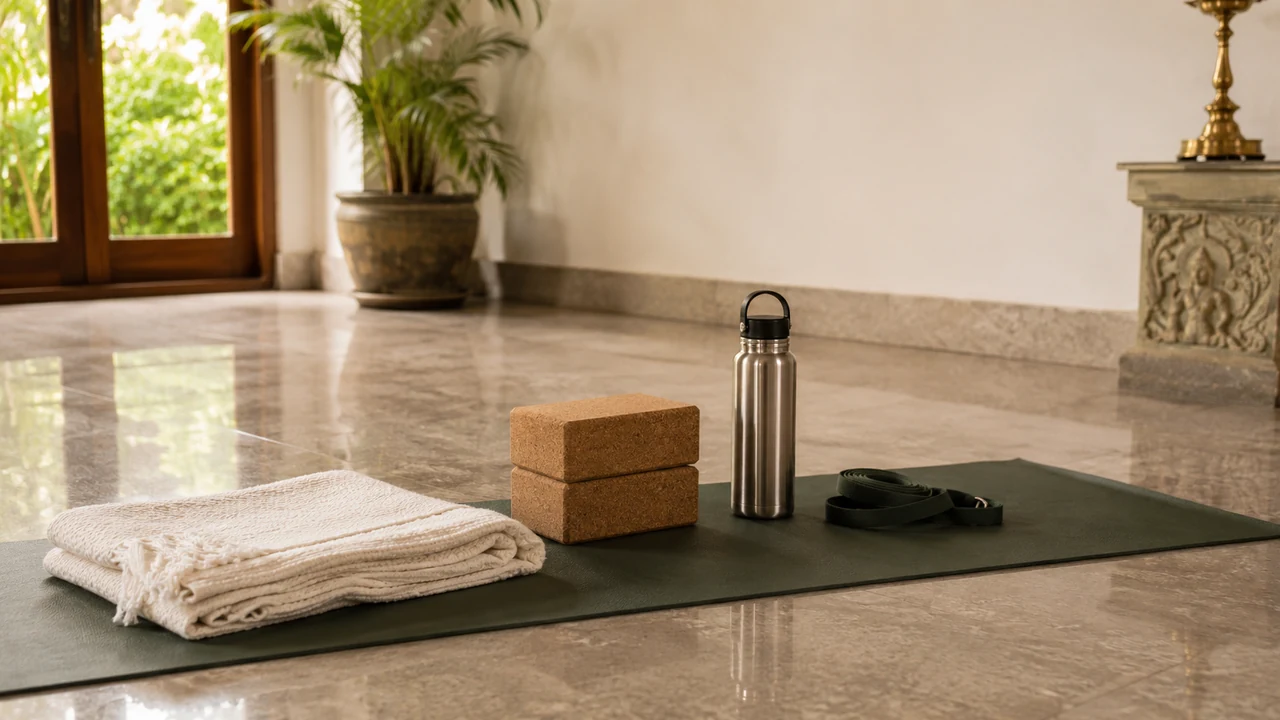
- Use props, walls, chairs or shorter sessions when needed.
People commonly use yoga for flexibility, strength, breathing awareness, relaxation, balance, posture habits and cultural learning. Some also use it alongside healthcare for stress or chronic conditions, but that should be discussed with qualified professionals when a diagnosis, pain or treatment plan is involved.
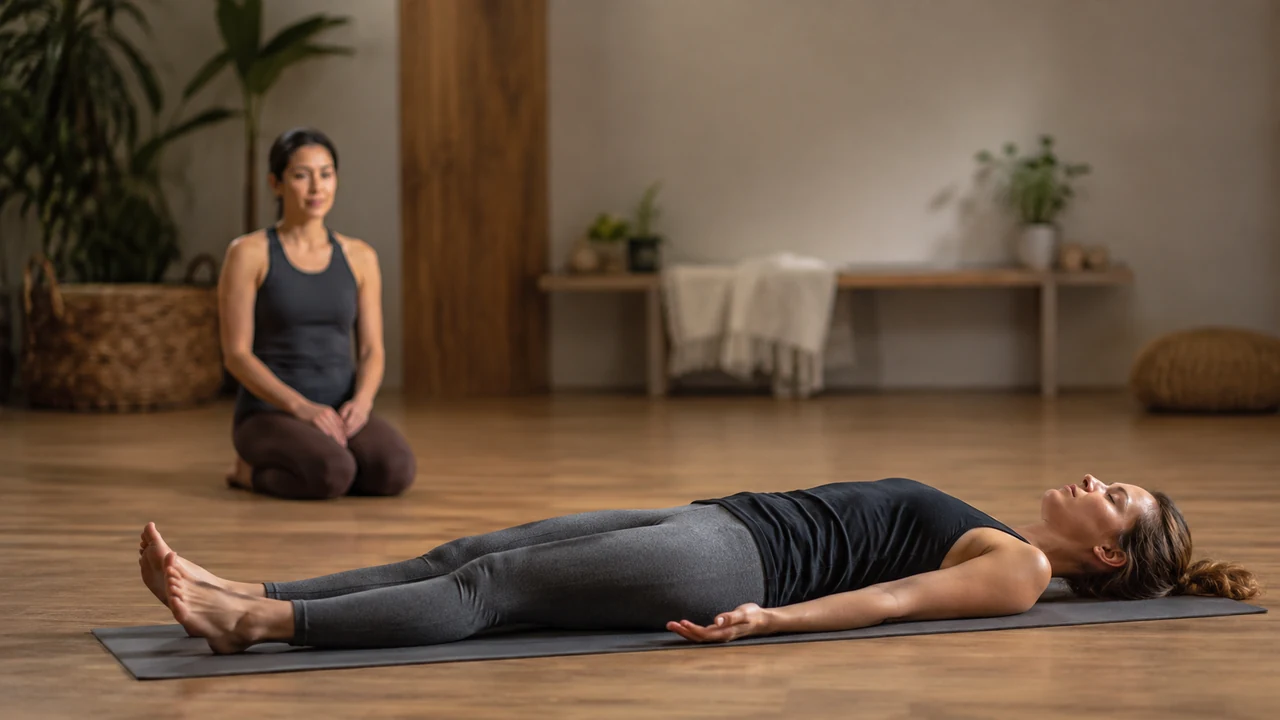
Beginners should start with simple movement, comfortable breathing and rest. A person who cannot sit on the floor can use a chair; a person recovering from illness can use gentler practices; a child needs playfulness and supervision; an athlete may need mobility and recovery rather than more intensity.
Evidence and limits
Evidence for yoga is strongest when claims are modest and specific. Recognised medical sources describe research suggesting benefits for some aspects of quality of life, pain, stress or sleep, but results vary by condition, method and comparison group. Yoga should not be presented as a universal cure.
The World Health Organization treats physical activity as important for health and wellbeing. Yoga can contribute to movement for many people, but intensity differs widely. A slow breathing session and a vigorous flow class are not the same physical demand.
Reader note
Yoga is generally adaptable, but suitability is individual. This page does not replace medical assessment, physiotherapy, prenatal guidance or emergency care.
Safety and good judgement
People with recent surgery, uncontrolled blood pressure, serious heart conditions, severe balance problems, acute injury, pregnancy complications or persistent pain should seek qualified advice before starting or changing practice.
A good practice leaves the reader steadier, not punished. Rest, hydration, clean space, appropriate clothing and honest feedback to the teacher are part of safety.
A practical way to decide fitness
A simple decision rule helps beginners: choose the version of yoga that lets you breathe comfortably, understand instructions, move without sharp pain and recover well after practice. If any of these are missing, the answer is not that the person is unfit for yoga. The answer is that the practice needs adjustment, a different teacher, a slower pace or professional advice.
This approach protects the Indian spirit of yoga from being reduced to performance. The aim is steadiness and awareness, not comparison. Someone practising on a chair with attention may be closer to the purpose of yoga than someone forcing a difficult posture for display. Fitness for yoga begins with honesty about the body and respect for the tradition.
Who should adapt or pause practice
The inclusive answer is that many people can practise some form of yoga, but not every posture, pace or breathing technique is suitable for every person. A beginner with pain, pregnancy, recent surgery, dizziness, uncontrolled blood pressure or a serious heart condition should seek qualified guidance before attempting demanding practices.
The safest teacher is not the one who makes a class look impressive. It is the teacher who watches breath, comfort, fatigue and individual limits, and who is willing to suggest rest, a chair, a wall, a shorter session or a medical referral when needed.