
Yoga as a career
At a glance
Yoga can become a career through teaching, therapy-support roles, research, content, studio management, school programmes, corporate wellness, tourism and community service. A serious career needs training, ethics, practice depth and clarity about scope.

In India, yoga careers sit between heritage, education, health promotion, sports, wellness and tourism. The opportunity is real, but it should not be reduced to quick certification or social-media display. The teacher carries responsibility because students may trust them with body, breath and vulnerability.
The Yoga Certification Board and Ministry of Ayush ecosystem provide official reference points for certification and courses. These do not remove the need for continuing practice, mentoring, insurance where relevant, local compliance and honest communication about qualifications.
Indian context
Historically, yoga learning happened through teachers, lineages, texts, institutions and personal discipline. Modern careers add classrooms, digital platforms, resorts, gyms, hospitals, universities and public programmes. The challenge is to remain rooted while serving contemporary needs.
A career-minded student should respect Sanskrit terms, Indian philosophical context and regional diversity without claiming mastery too early. Good teachers know what they can teach and when to refer a student to a doctor, physiotherapist, counsellor or senior teacher.
Key facts
| Question | Helpful answer | Reader caution |
|---|---|---|
| Career route | What it involves | Good practice |
| Group teacher | Regular classes for beginners or mixed groups | Use safe progressions |
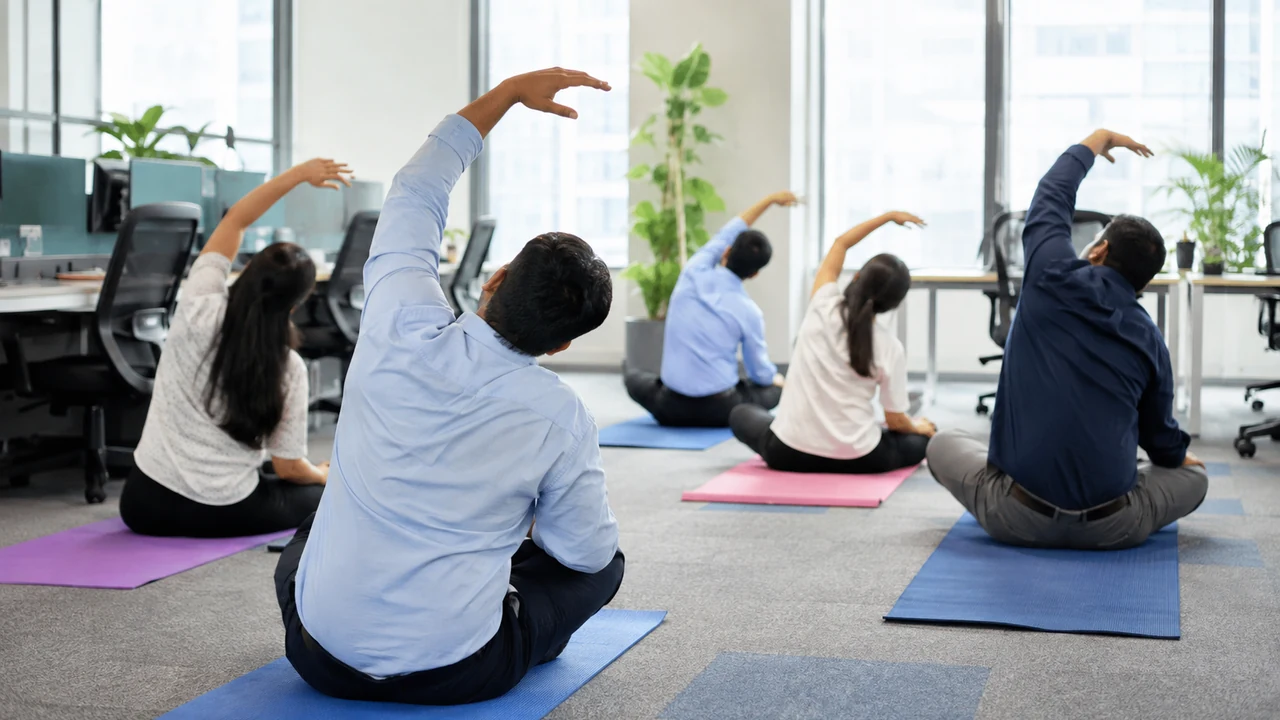
| Corporate wellness | Short workplace sessions | Avoid medical promises |
| Yoga tourism | Retreats and destination programmes | Respect local culture |
| Content and education | Writing, videos, workshops | Use sources and avoid exaggeration |
| Special populations | Children, seniors, pregnancy or therapy support | Get specialised training |
How people commonly use it
- Build a personal practice before teaching others.
- Choose training that includes anatomy, philosophy, pedagogy, ethics and supervised teaching.
- Keep records of certification, continuing education and student feedback.
- Use inclusive language and modifications.
- Refer health concerns beyond your competence.
People use yoga professionally in many ways: group classes, private sessions, children’s programmes, senior-citizen practice, workplace breaks, retreat planning, content writing, research assistance, event coordination and teacher training administration.
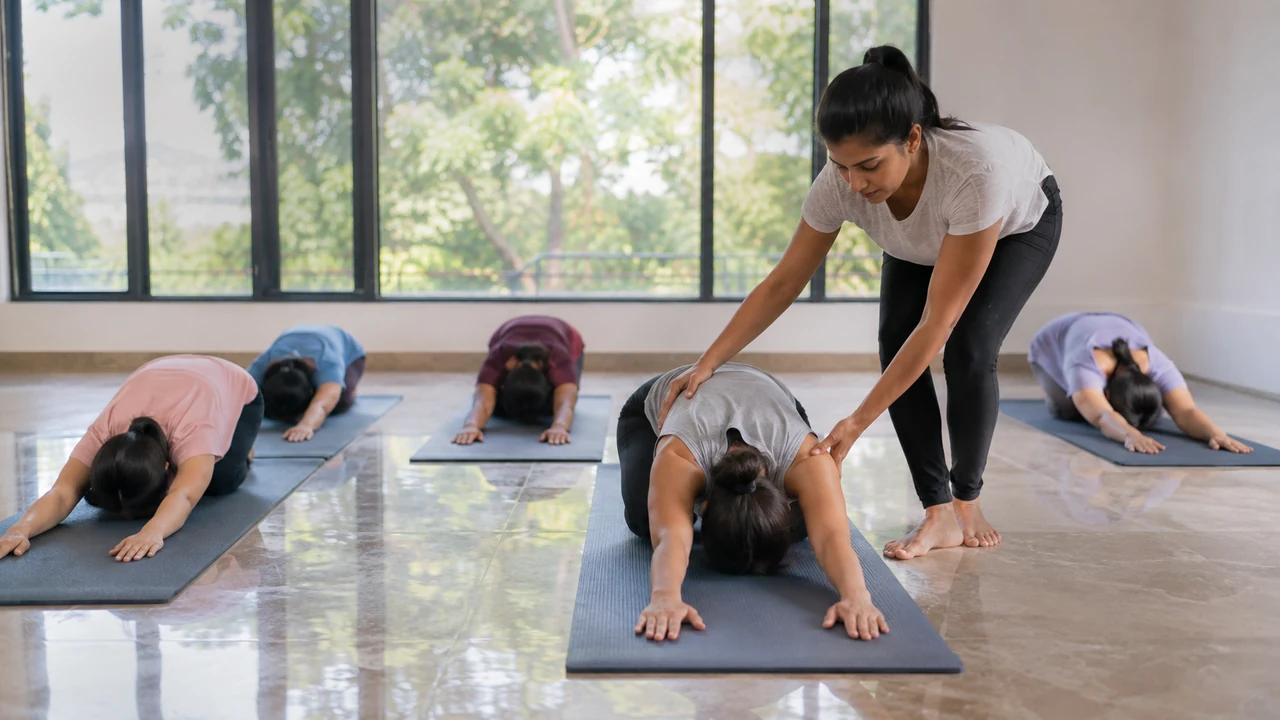
The first practical question is audience. Teaching schoolchildren differs from teaching office workers, athletes, pregnant women or older adults. Each requires different language, risk awareness and class design.

Evidence and limits
Evidence and regulation vary by role. A general yoga teacher should avoid diagnosing disease or promising treatment. Yoga therapy claims require additional training, appropriate supervision and collaboration with healthcare professionals.
Career growth depends on trust. Transparent qualifications, safe class plans, punctuality, clean communication, inclusive pricing and respectful conduct matter as much as posture skill.
Reader note
A yoga career should never pressure students into unsafe practice or unsupported health claims. Income goals must sit beside duty of care.
Safety and good judgement
Teachers should understand local rules, venue safety, consent, privacy and professional boundaries. Medical or therapeutic language requires special caution and suitable credentials.
The most sustainable path combines Indian cultural literacy, practical teaching skill, evidence-aware communication and humility about what one does not know.
Building trust as a yoga professional
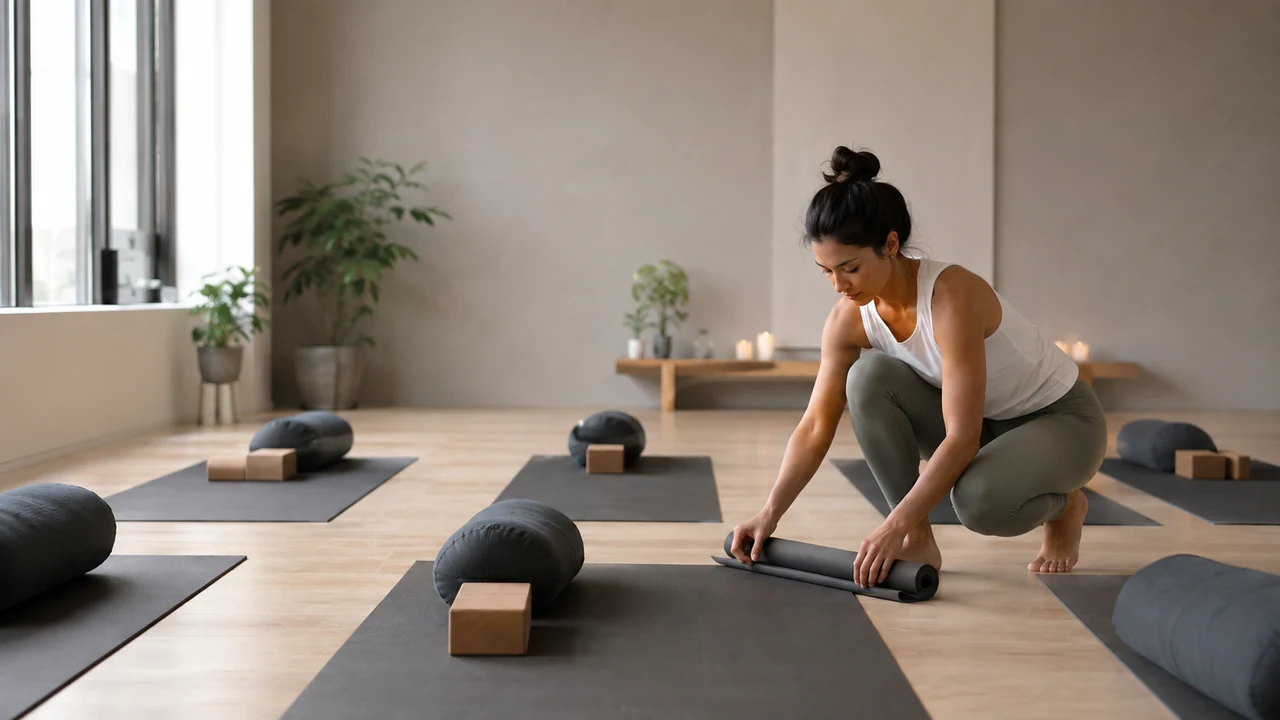
A yoga career grows through trust before it grows through scale. Students return to teachers who are punctual, observant, calm, honest about limits and able to adapt a class without embarrassing anyone. The professional skill is not only demonstrating postures; it is reading the room, planning progression, explaining context and protecting student safety.
Career-minded readers should also think beyond a single studio class. India and the world need teachers for schools, offices, senior groups, community health programmes, tourism settings, online education and content work. Each route needs a different mix of communication, ethics, cultural understanding and evidence-aware language.
Professional responsibility in yoga work
A yoga career carries trust. Students may share pain, fear, age-related limitations, pregnancy, stress or recovery stories. A responsible professional stays within scope, keeps records honestly, protects privacy and refers health concerns to qualified professionals instead of making dramatic promises.
Certification can support credibility, but it is not the whole career. Practice depth, teaching skill, cultural literacy, safety habits, clear fees, inclusive language and continuing education shape long-term trust.
Digital teaching has widened opportunity, but it has also raised responsibility. A short video cannot see the student’s pain, room surface, pregnancy status, medication history or fatigue. Career guidance should therefore encourage clear disclaimers, beginner options and referral language, especially for online work.
A strong yoga professional also keeps learning from India’s knowledge context. Sanskrit terms, philosophical ideas and regional practice cultures should be handled with humility. Pronunciation can improve over time, but respect and accuracy should be present from the beginning.
Students considering this profession should document their learning carefully: course hours, teacher names, practice logs, assisted classes and feedback. This record helps them speak honestly about competence and plan the next stage of training.