
Opportunities in India: a practical introduction

India’s opportunity landscape is broad because the country is not one uniform market. It is a federation of states and union territories with different languages, consumer habits, infrastructure levels, skills, industries, climate zones and local priorities. A technology founder in Bengaluru, a food processor in Punjab, a tourism operator in Rajasthan, a textile unit in Tamil Nadu, a logistics provider in Maharashtra and a craft entrepreneur in Assam may all be working within the same national economy, but their routes to customers, capital and growth can look very different.
This page introduces the main opportunity themes that readers can use before moving into focused pages on startups, the economy, business, public sector undertakings and stock exchanges. It is meant for students, families, local entrepreneurs, professionals, small and medium enterprises, foreign companies, researchers and diaspora readers who want a grounded starting point. Instead of presenting opportunity as a slogan, it explains how India works through markets, people, institutions and places.
Why India needs a layered reading
A useful way to understand opportunities in India is to separate three questions. What is growing nationally? What is relevant locally? What can a person or organisation actually do next? National growth may point to manufacturing, digital services, infrastructure, energy, tourism, health, education or retail. Local relevance depends on the city, district, supply chain, state policies, skill availability and customer behaviour. Action depends on licensing, finance, networks, compliance, language, logistics and time horizon.
For common readers, this means that opportunity can be as practical as choosing a skill course, understanding a new job sector, selling local products online or preparing for a public-sector career. For SMEs, it may mean reading a state market carefully before expanding. For foreign companies, it means understanding that India has a national policy environment, but execution happens through states, local partners, distributors, workforce capability and customer trust.
For learners
Connect skills with sectors such as digital services, manufacturing, tourism, logistics, health, education and local enterprise.
For SMEs
Look beyond headline demand and study state rules, transport links, payment behaviour, language and supplier depth.
For investors
Compare sectors, states, infrastructure projects, public incentives, risk, timelines and partner quality.
Major opportunity pathways
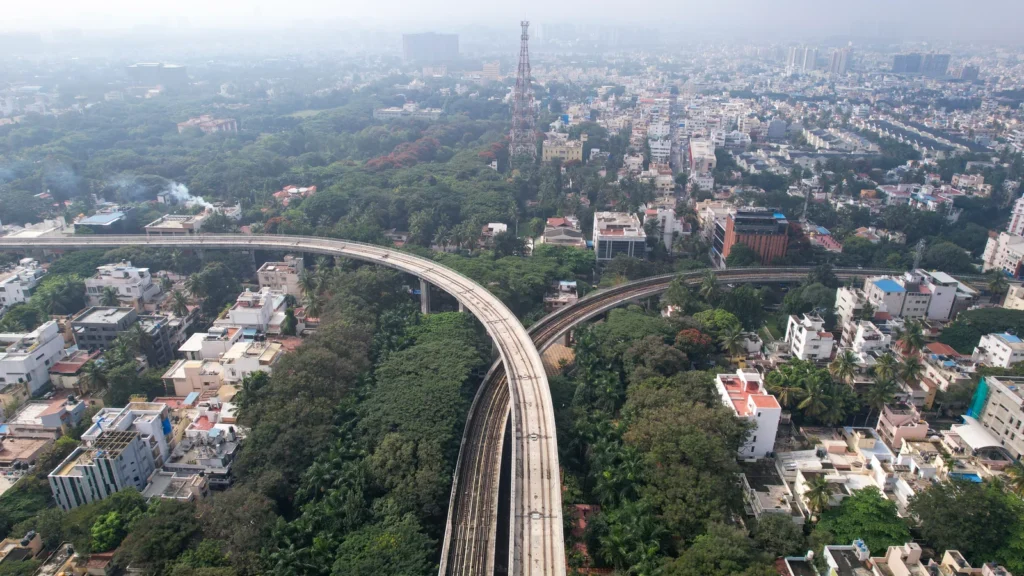
Startups are one visible pathway, but they are only one part of the picture. India’s startup ecosystem includes technology platforms, software services, fintech, climate and mobility ventures, health technology, education technology, agriculture technology, direct-to-consumer brands and business-to-business services. The opportunity is not limited to large metro cities. Smaller cities increasingly support digital work, local manufacturing, service centres, consumer brands and logistics nodes, though the maturity of funding and mentorship networks still varies.
Manufacturing and supply chains are another pathway. Businesses that study India only as a consumer market may miss its role as a production base. Electronics, automotive components, pharmaceuticals, textiles, food processing, renewable energy equipment, defence-related manufacturing and capital goods all connect with broader infrastructure, skilling and policy initiatives. For a business, the important question is not simply whether a sector is growing, but whether the required land, power, talent, suppliers, standards and distribution channels are realistic for the chosen location.
Services remain central. Information technology, business services, finance, healthcare delivery, education services, travel, hospitality, design, media, professional services and local retail employ millions of people directly and indirectly. India’s services opportunity is shaped by English capability in some segments, regional-language capability in others, and a large base of digital users. A good service idea still needs disciplined delivery: clear pricing, customer support, trust, data protection, local language communication and reliable payments.
Infrastructure creates opportunities even for firms that do not build roads, ports, airports, rail lines or energy systems themselves. Better connectivity changes where warehouses are built, where workers can commute, where tourism can grow, where agricultural produce can be processed and where small businesses can sell. Digital public infrastructure, payments, identity-linked services and government portals also change how people access services, though businesses must handle privacy, consent and compliance responsibly.
Public sector, capital markets and formal growth
Public sector undertakings, government-linked institutions and public procurement influence several parts of the Indian economy. They are important for readers who want to understand energy, banking, transport, defence, heavy industry, public utilities and infrastructure. A public-sector opportunity is not the same as a private retail opportunity. It usually requires careful attention to tendering, eligibility, quality standards, payment cycles, documentation and long-term delivery commitments.
Capital markets create another layer of opportunity, but they also require caution. Stock exchanges help companies raise capital and allow investors to participate in corporate growth, but market participation should be based on financial literacy, risk awareness and proper regulation. For general readers, the Stock Exchange page should be read as a foundation for understanding how listed companies, securities, exchanges and regulators fit into India’s economic system rather than as investment advice.
How different readers can use this section
- Students can use the section to connect study choices with sectors that are visible in the Indian economy, such as digital services, manufacturing, public administration, finance, tourism and entrepreneurship.
- Families can use it to understand why jobs and businesses differ across cities, towns and states, and why migration, language and skills matter.
- SMEs can use it as a starting point for market selection, partner identification, local communication and sector research.
- Foreign companies can use it to understand that India offers scale, but also requires patience, localisation, compliance and credible local partnerships.
- Diaspora readers can use it to reconnect with India’s changing economy beyond headlines and stereotypes.
A practical reading path
Start with Indian Economy for the broad picture, then read Economy and Business for business conditions. Move to India Startups if you want entrepreneurship context, PSUs for public-sector understanding and Stock Exchange for capital-market basics.
Readers planning a city-specific decision should also look at city pages. The experience of hiring, selling, transporting goods, finding suppliers or serving customers can differ sharply between a metro, a port city, a tier-two city, a hill region and a border state. India rewards careful segmentation.