
Mumbai
Quick Summary
Mumbai is Maharashtra’s capital and one of India’s most influential urban centres, known for finance, cinema, coastal heritage, public transport, food cultures and UNESCO-listed historic architecture.
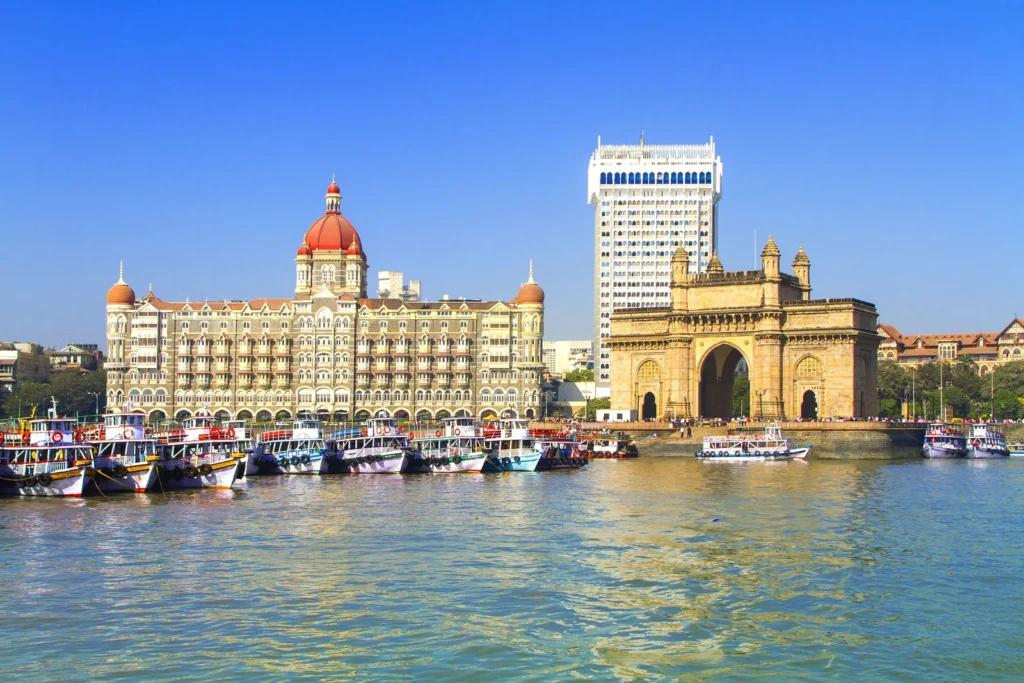
Mumbai (formerly known as Bombay) is the capital city of the Indian state of Maharashtra. According to the United Nations, as of 2018, Mumbai is the most populous city in the country and the seventh-most populous city in the world with a population of roughly 20 million.
Mumbai is located on the west coast of the state of Maharashtra. Crowned as the largest city of India, this vibrant city is spread over an area of about 437 square kilometers and is located just 14 m above the sea level. Due to its moderate location, the climate of this city can be specified a tropical one with wet and dry summers and cool pleasant winters. Mumbai is a compilation of seven islands and is named after the Koli goddess, Mumbadevi. Apart from being the state capital, the city of Mumbai is also the commercial capital of India. According to a survey, Mumbai is tagged as the richest city of India with highest GDP in Asia. The city serves as the home for significant financial institutions, such as the Reserve Bank of India, the Bombay Stock Exchange, and the National Stock Exchange of India. The corporate headquarters of numerous Indian and multinational corporations are also located herein.
Mumbai is the most populous city in India and it has the highest number of millionaires and billionaires among all cities in India. Mumbai is home to three UNESCO World Heritage Sites: the Elephanta Caves, Chhatrapati Shivaji Maharaj Terminus, and the city’s distinctive ensemble of Victorian and Art Deco buildings. See Places to Visit for more.
The seven islands that constitute Mumbai were originally home to communities of Marathi language speaking Koli people. For centuries, the islands were under the control of successive indigenous empires before being ceded to the Portuguese Empire and subsequently to the East India Company when in 1661 Charles II of England married Catherine of Braganza and as part of her dowry Charles received the ports of Tangier and Seven Islands of Bombay.
During the mid-18th century, Bombay was reshaped by the Hornby Vellard project, which undertook reclamation of the area between the seven islands from the sea. Along with construction of major roads and railways, the reclamation project, completed in 1845, transformed Bombay into a major seaport on the Arabian Sea. Bombay in the 19th century was characterised by economic and educational development.
Mumbai is the financial, commercial, and the entertainment capital of India. It is also one of the world’s top ten centres of commerce in terms of global financial flow, generating 6.16% of India’s GDP, and accounting for 25% of industrial output, 70% of maritime trade in India and 70% of capital transactions to India’s economy.
Why this city matters
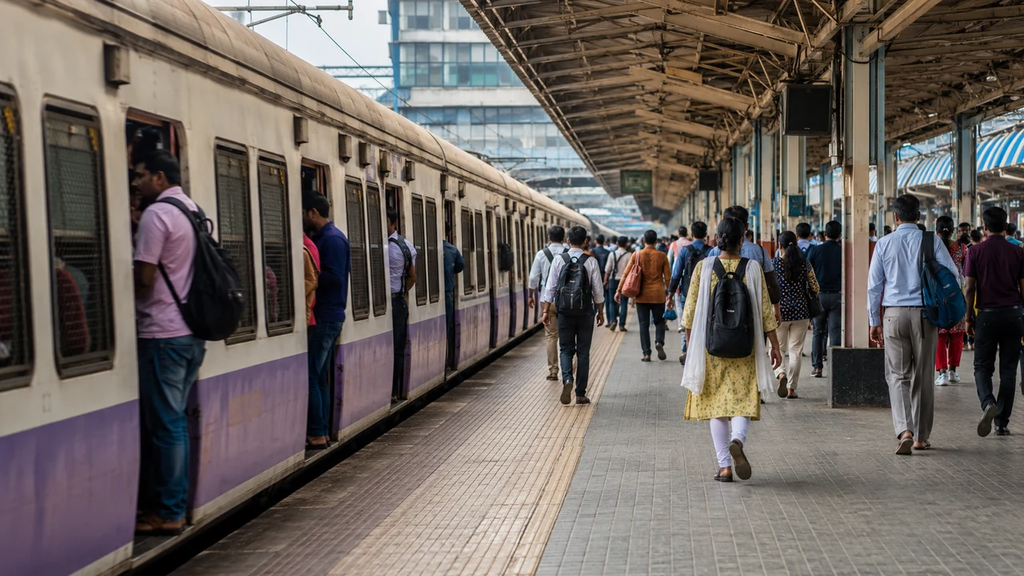
Mumbai matters because it concentrates institutions that affect the whole country: the Reserve Bank of India, stock exchanges, corporate headquarters, studios, ports, courts, universities and cultural venues. Yet its influence also comes from ordinary systems: trains, dabbawalas, street food, local markets, self-help networks and apartment societies that keep a crowded city moving.
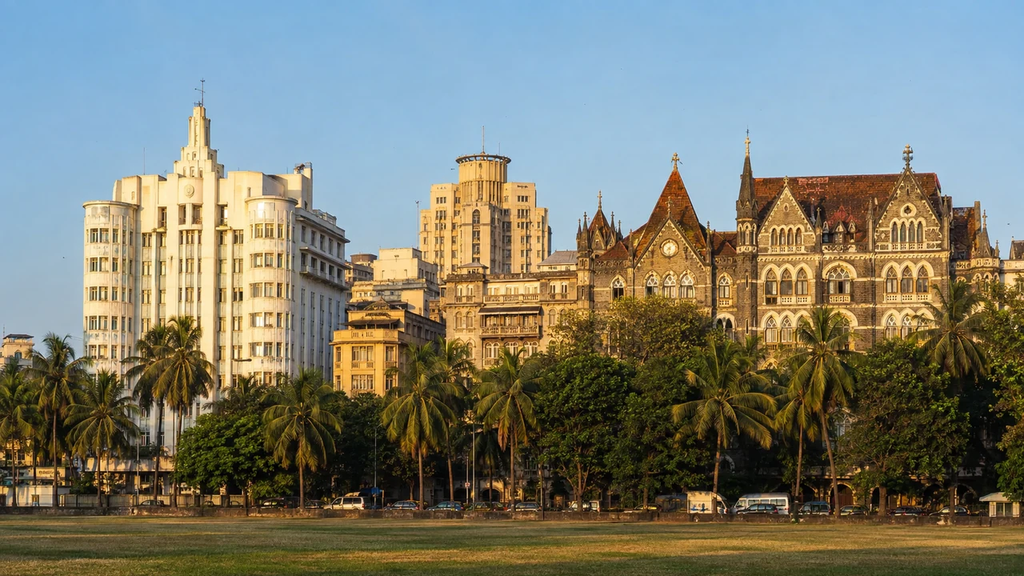
The UNESCO World Heritage listing for the Victorian Gothic and Art Deco Ensembles of Mumbai, inscribed in 2018, helps readers see the city as an architectural archive as well as a commercial centre. Around the Oval Maidan, public buildings and cinema-era Art Deco apartments show how global forms were adapted to an Indian urban setting.
Main strands of the city
- Coastal geography and the harbour explain much of Mumbai’s history.
- Finance and media make the city nationally influential, but informal labour and neighbourhood enterprise are equally important to its daily life.
- Heritage buildings should be read alongside living communities, not as isolated photo stops.
- Monsoon, humidity, crowding and long commutes shape visitor planning and resident experience.
These strands overlap rather than sit apart. A business visitor may pass heritage buildings on the way to a meeting, a family may combine a temple visit with a seaside walk, and a student may encounter the city through trains, colleges, libraries and film culture in the same week.
How to explore
Begin with south Mumbai if you want the city’s harbour, museums, Kala Ghoda, the Gateway precinct and heritage architecture. Add a local train or metro journey only if you are comfortable with crowds and have local guidance during peak hours. For families, coastal promenades, gardens and food areas often make a more relaxed first experience than a checklist of monuments.
Mumbai also rewards slower neighbourhood reading. Bandra, Dadar, Matunga, Byculla, Fort, Girgaum and Versova each reveal different communities, food traditions, languages and built forms. Respect local rhythms: festival days, monsoon weather, traffic and security rules can change how a plan works.
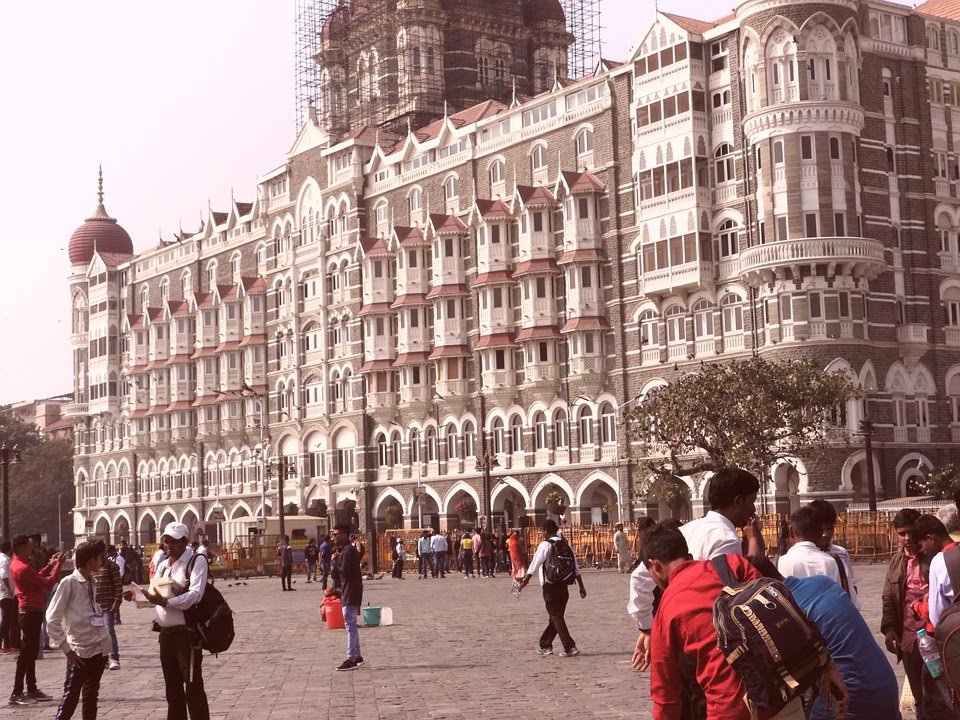
Apart from the commercial significance, Mumbai is a major entertainment center of India, being home to Bollywood; India’s Hindi film industry. Turn the pages of history and you would know that this cosmopolitan city has a strong historic background as well. The islands of this city have been ruled by Portuguese and British East India Company, whose influence can be seen in its architecture and culture as well. Mumbai has a deep natural harbor, which is why it was re-developed as a chief trading town by British Raj, with various engineering projects in 18th century. The city also played a pivotal role in Indian Independence, marked by major events like the Quit India Movement in 1942 and The Royal Indian Navy Mutiny in the year 1946.
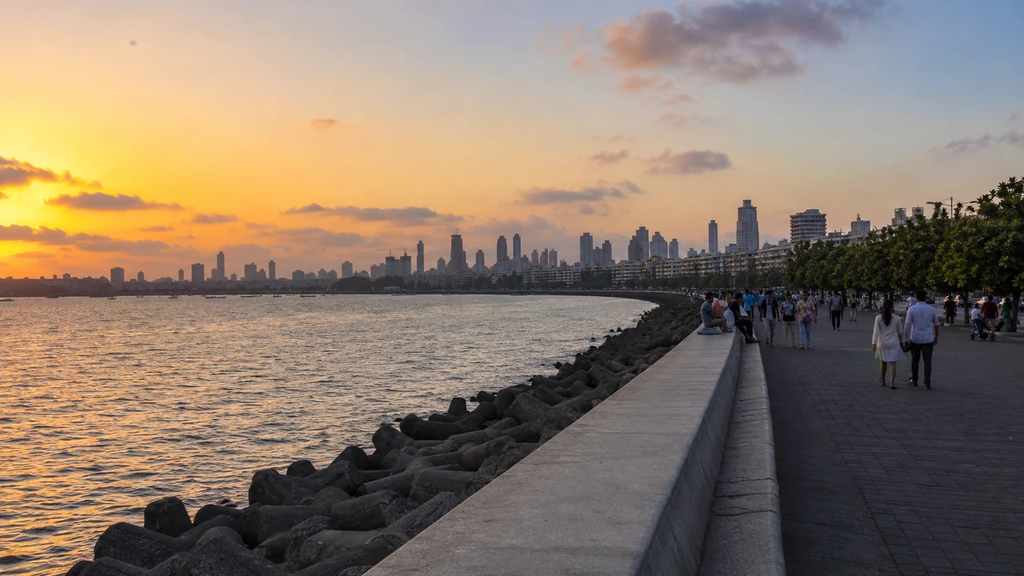
Mumbai is known for its everlasting spirit, which can be seen almost everywhere in the city. Whether you are traveling in a local train in the wee hours of the morning or working late at night in a multinational office, the spirit of the city is sure to engulf you. This is one of the reasons as to why Mumbai is popularly known as ‘the city which never sleeps’. Being a commercial and entertainment centre of India, the city has an amazing amalgamation of people from different cultures, ethnicity and sects which makes it one of the best cities to live in and grow. With many tourist attractions like Gateway of India, Sidhhivinayak Temple, Mahalakshmi Temple, Juhu Beach and Marine Drive by its side, Mumbai city has proved to be a potential tourist destination and is thus, visited by thousands of tourists every month.
How the strands connect
Mumbai is often described through speed, but its deeper pattern is connection. The harbour connects the city to global trade; the railways connect far suburbs to old business districts; cinema connects local stories to a national imagination; and food streets connect migrants, office workers, students and families at the same counter. A useful Mumbai page therefore should not isolate tourism, business and culture. They are part of one living urban system.
For Indian readers, Mumbai may represent opportunity, pressure, creativity and cost all at once. For foreign readers, it helps to see that the city is not a polished business district surrounded by attractions; it is a dense civic world where infrastructure, housing, monsoon, enterprise and public culture constantly negotiate with each other. That balanced view makes the page useful to families, students, visitors and companies.
Planning Mumbai with balance
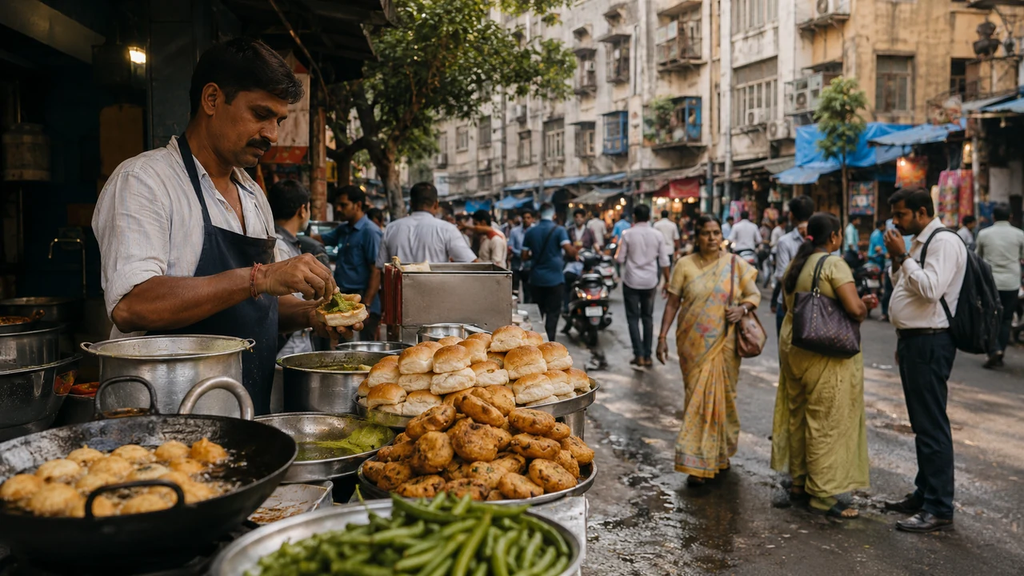
Mumbai rewards preparation. Distances can look small on a map but feel long because the city moves through rail lines, traffic corridors, sea links, ferries and walking routes that change by hour. A sensible plan groups nearby places instead of chasing every famous stop in one day.
Monsoon months can be beautiful but disruptive. Visitors should check local weather, transport advisories and site timings, especially for ferries, coastal walks and heritage precincts. The city is energetic, but it is also a lived home for millions; photography, dress and behaviour should respect local people and working spaces.